
Jazz Legend Sonny Rollins Dies at 95: Legacy of Innovation
Baca dalam 60 detik
- Rollins emerged in the 1950s as a tenor saxophone innovator, blending bebop with calypso and hard bop in albums like 'Saxophone Colossus.' His improvisational approach set new…
- This technique influenced countless artists across genres, from jazz to hip-hop.
- Beyond his music, Rollins' strategic hiatuses to practice on bridges became legendary, symbolizing his commitment to artistic purity.
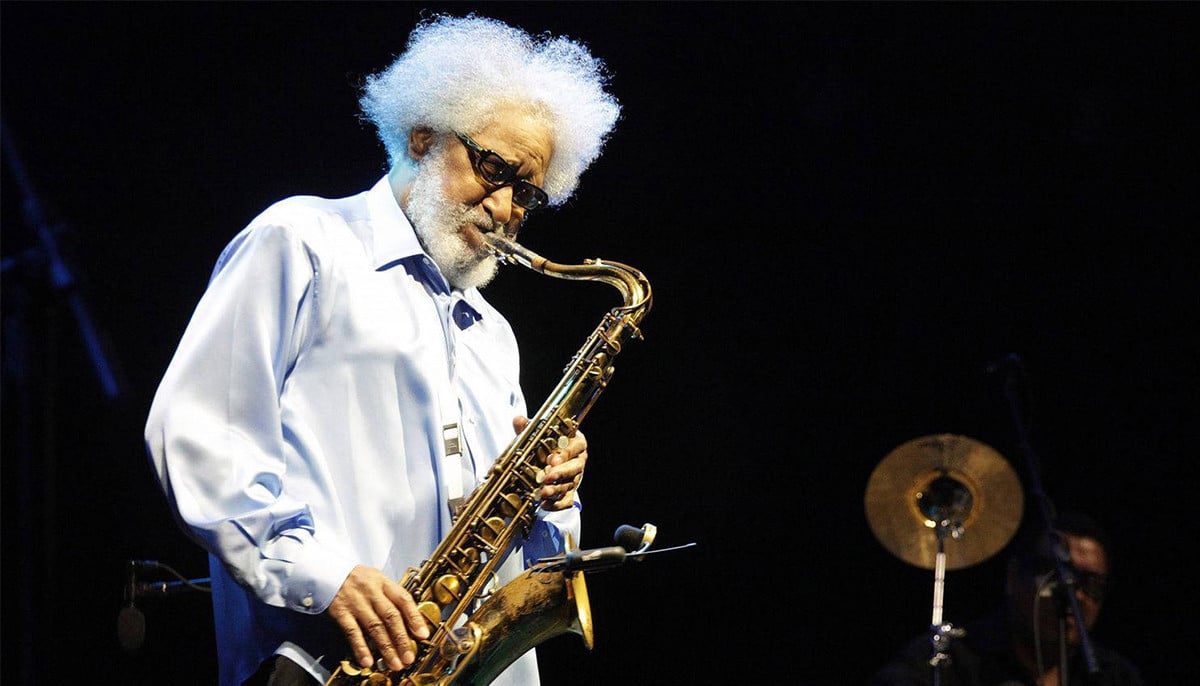
Rollins emerged in the 1950s as a tenor saxophone innovator, blending bebop with calypso and hard bop in albums like 'Saxophone Colossus.' His improvisational approach set new standards for jazz, emphasizing thematic development over chord-based solos. This technique influenced countless artists across genres, from jazz to hip-hop.
Beyond his music, Rollins' strategic hiatuses to practice on bridges became legendary, symbolizing his commitment to artistic purity. He returned stronger each time, releasing landmark works like 'The Bridge' in 1962. His career offers a masterclass in sustained relevance through reinvention.
Rollins avoided commercial dilution, refusing to chase trends while maintaining a core audience. His catalog remains a strategic asset for record labels and streaming platforms, with timeless appeal. The jazz community now faces the challenge of preserving his legacy in a digital age.
Power Move: Rollins' death creates a void in jazz's identity, but his catalog's enduring value offers a roadmap for monetizing legacy artists. Expect renewed interest in his discography, driving streaming spikes and reissue campaigns. The real power move: study his career arcs for lessons in artistic longevity and brand management.
This article was edited with AI assistance for readability. Read original here.


