Vatican Declares AI Deepfakes Threat to Human Experience
Baca dalam 60 detik
- The Vatican's statement targets the growing sophistication of AI tools that fabricate convincing video, audio, and text, blurring the line between real and artificial.
- Without regulation, deepfakes could undermine personal identity, historical record, and social cohesion.
- The church argues that unchecked AI manipulation strips humanity of its core experiential reality.
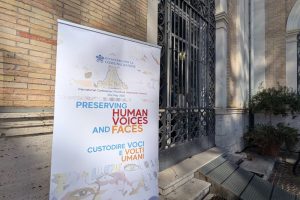
The Vatican's statement targets the growing sophistication of AI tools that fabricate convincing video, audio, and text, blurring the line between real and artificial. Without regulation, deepfakes could undermine personal identity, historical record, and social cohesion. The church argues that unchecked AI manipulation strips humanity of its core experiential reality.
This move places the Vatican at the forefront of a global debate over AI ethics, joining tech leaders and governments in demanding safeguards. Their moral authority adds weight to calls for transparency in AI development and mandatory content authentication. The timing aligns with rising public anxiety over election interference, fraud, and reputational damage from deepfakes.
Critics note the Vatican's own history with image management, but the core argument resonates: when anyone can fabricate reality, trust collapses. The church proposes a 'digital anthropology' that prioritizes human dignity over technological convenience. This framework could influence EU AI Act debates and inspire other religious bodies to take similar stands.
Power Move: The Vatican's deepfake warning isn't just theology—it's a strategic move to shape global AI governance. Expect religious and secular institutions to coalesce around authentication standards, creating new compliance markets for tech firms. The battle for truth in the digital age now has a powerful new ally.
This article was edited with AI assistance for readability. Read original here.