Semi-Truck Engine Power War: Volvo, Scania, Asia Rival
Baca dalam 60 detik
- Volvo and Scania have dominated the heavy-duty engine market, each pushing output past 750 hp with advanced turbocharging and hybrid systems.
- Their rivalry drove innovations like Scania's V8 and Volvo's D16, but the Asian newcomer has leapfrogged with a 900+ hp diesel-electric hybrid.
- This disrupts the traditional hierarchy and pressures incumbents to accelerate R&D.
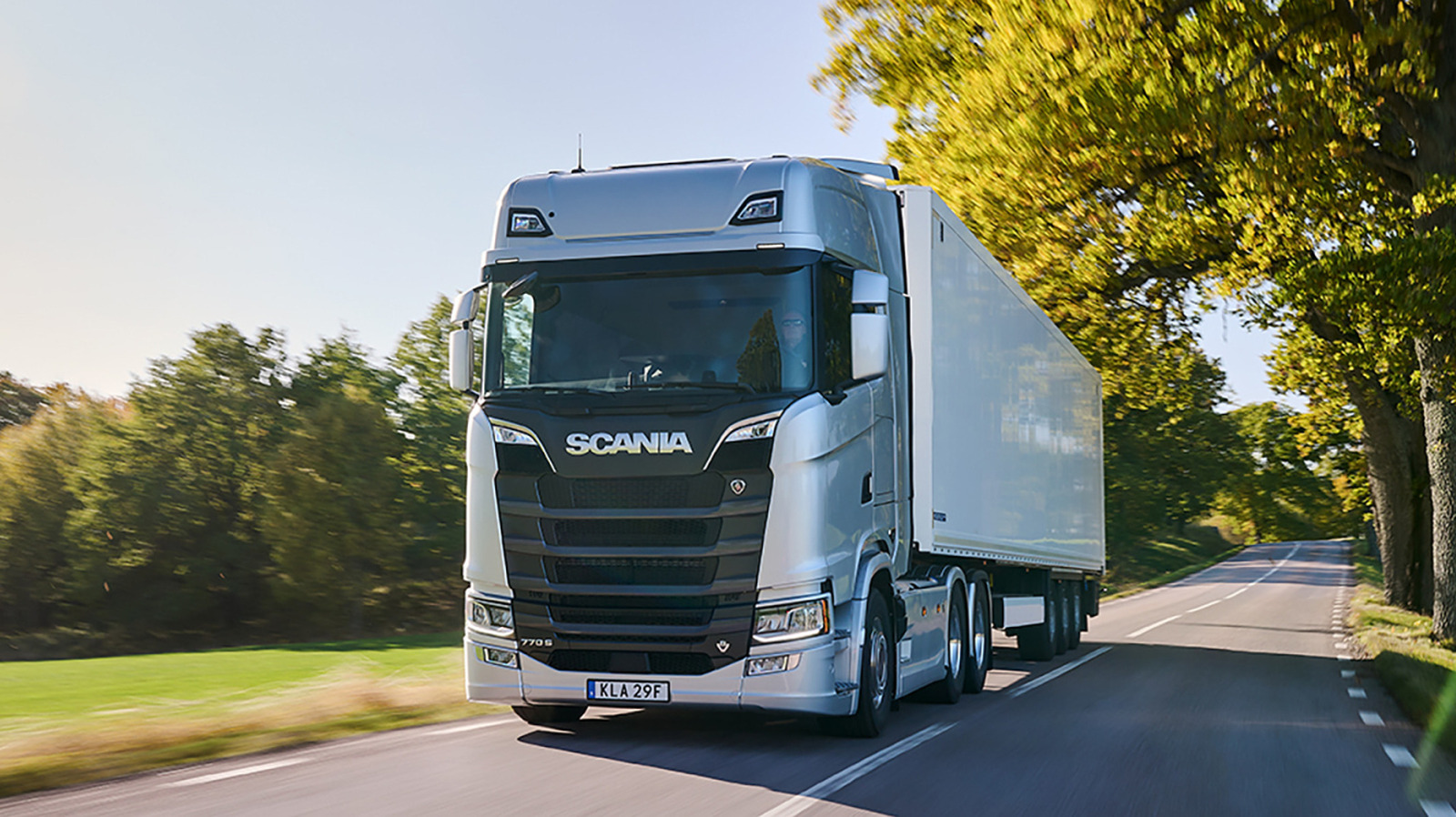
Volvo and Scania have dominated the heavy-duty engine market, each pushing output past 750 hp with advanced turbocharging and hybrid systems. Their rivalry drove innovations like Scania's V8 and Volvo's D16, but the Asian newcomer has leapfrogged with a 900+ hp diesel-electric hybrid. This disrupts the traditional hierarchy and pressures incumbents to accelerate R&D.
The power surge responds to stricter emissions regulations and demand for fuel efficiency. High-output engines now integrate SCR, EGR, and electrification to meet Euro 7 and EPA standards. Manufacturers who master this balance will capture premium market share in long-haul logistics.
German giants Daimler and MAN are investing in hydrogen combustion and battery-electric platforms to counter the trend. However, the Asian contender's cost advantage and rapid iteration cycle pose a strategic threat. The power war is now a race to redefine efficiency without sacrificing performance.
Power Move: The power war signals a strategic pivot: brute force alone no longer wins. The victor will be the manufacturer that integrates electrification with high output, creating engines that meet emissions targets while delivering record torque. Expect a wave of partnerships and acquisitions as legacy players scramble to match the Asian upstart's pace.
This article was edited with AI assistance for readability. Read original here.