London Accused of Amputating Justice for Northern Ireland Conflict Victims via Legacy Bill
Baca dalam 60 detik
- Pemerintah Inggris bersikeras amendemen RUU Legacy bukan amnesti bagi tentara, tetapi memberi Jaksa Agung wewenang menyetujui prosecusi serius.
- Kelompok korban menilai skema ini memindahkan keputusan dari pengadilan lokal ke ranah politik di London, berpotensi menutup kasus pembunuhan era Troubles.
- Parlemen hanya punya waktu singkat untuk membahas amendemen, sementara Sinn Féin dan DUP menolak, memicu pertanyaan tentang legitimasi undang-undang.
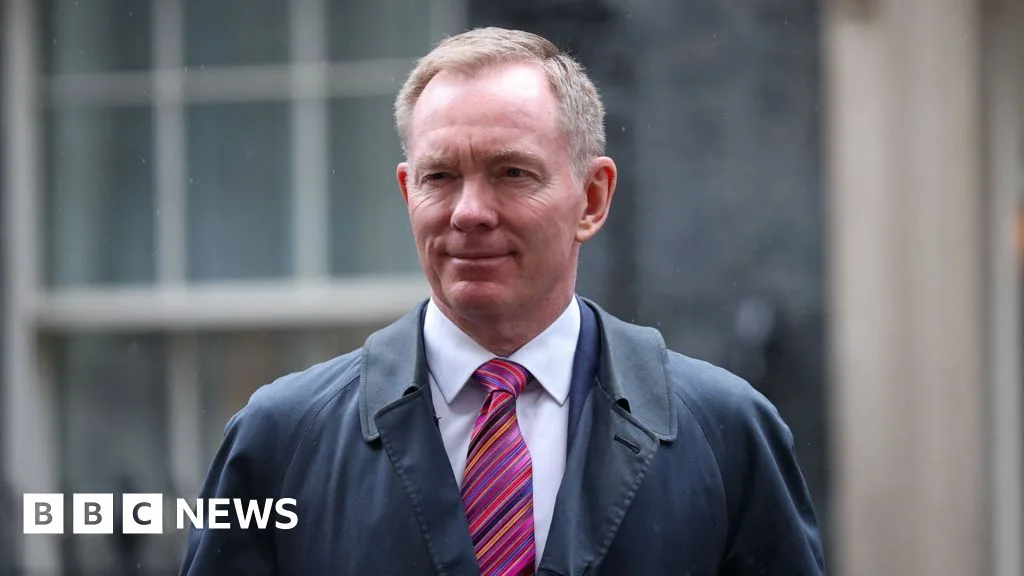
The UK government is again facing accusations of trying to cover up past crimes from the Northern Ireland conflict. Northern Ireland Minister Sir Chris Bryant strongly rejected the notion that amendments to the Legacy Bill amount to an amnesty for former soldiers, insisting that the requirement for the Attorney General's consent for serious prosecutions is not an attempt at pardon.
The statement came ahead of a parliamentary debate in the House of Commons on Monday (10/3/2025), when the long-awaited bill was debated again. Bryant described the proposal as a reasonable step to align prosecution practice, not to shield veterans from legal consequences. "We are not removing the Public Prosecution Service (PPS) from the process," he told BBC News NI, adding that the PPS would work with the Crown Prosecution Service in England and Wales.
However, victims' groups see it differently. Mark Thompson of Relatives For Justice fears the bill instead opens the way for the state to cover up unlawful killings. He accused the government of stripping local courts of their authority because it dislikes recent rulings in Troubles-era cases. Thompson cited dozens of inquiries that victims won, including the Ballymurphy and Springhill cases. "What they want is to take the legal process out of the courts and bring it to London for political decisions," he said.
On the other side, lawyer Philip Barden, who represents several former soldiers, argued that veterans have been "ground down" in cases without new evidence. He supports the Attorney General's involvement because it is seen as more independent than the PPS and the DPP. "We want an independent process, not politicians deciding," Barden said. But he also acknowledged that the Attorney General's decision can be challenged through judicial review.
Criticism also came from Sinn Féin, which called the amendment a "veterans' charter", and from the DUP, which questioned the lack of time for parliament to scrutinize the changes. Meanwhile, Northern Ireland Commissioner for Victims and Survivors Joe McVey said the bill is not yet perfect but urged that the legislative process continue. "If not now, it is hard to predict when it will be debated again," he said.
Amid the debate among political elites, the voices of victims' families such as Natasha Butler are nearly drowned out. Her grandfather, Paddy Butler, was shot dead by soldiers in Springhill, Belfast, in July 1972. She hopes victims and survivors will not become political casualties of this bill. "Families have waited decades, and the next generation inherits the same silence," she said.
The Legacy Bill itself seeks to replace the Conservative-era legacy law that was partially struck down by courts as unlawful. The Labour government is pursuing a new approach: a legacy commission to investigate killings, an information recovery body, and a special unit in the Irish police (An Garda Síochána). The cabinet-proposed amendment aims to reduce repeated investigations of veterans.
But with limited time and mounting opposition, the question now is: will this bill truly become a path to justice for victims, or will it become a political shield for those in power?