Gran Max Drives Daihatsu's Dominance in National Automotive Retail Market
Baca dalam 60 detik
- Penjualan ritel Daihatsu Januari–September 2026 mencapai 109 ribu unit, tumbuh 9 persen, dan menempatkannya di peringkat kedua pasar otomotif nasional.
- Gran Max Series menjadi kontributor terbesar dengan 56.230 unit, setara 51 persen dari total penjualan Daihatsu.
- Pangsa pasar Daihatsu di segmen kendaraan di bawah Rp300 juta mencapai 29 persen, memperkuat posisinya di ceruk kendaraan niaga ringan dan LCGC.
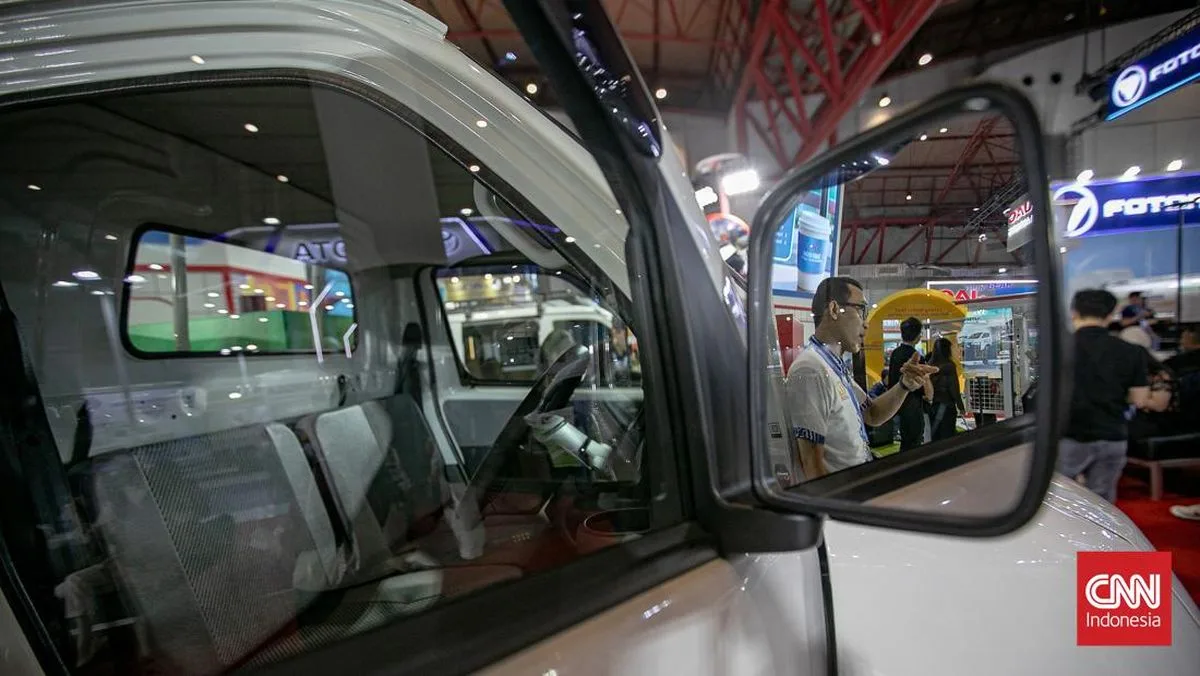
Daihatsu's retail sales from January to September 2026 reached 109 thousand units, up 9 percent compared with the same period last year. The figure places the D-badged manufacturer second in the national automotive market with a 16.2 percent share, while also capturing 29 percent of the segment for vehicles priced below Rp300 million.
The number came as the national retail market booked around 676 thousand units, surging from 585 thousand units in the first nine months of 2025. Market growth of around 15.6 percent provides the backdrop that makes Daihatsu's performance look more moderate, though still positive. Amid faster market expansion, Daihatsu instead faces pressure to hold its position in the price-sensitive segment.
The Gran Max Series is the backbone of sales with 56,230 units, or 51 percent of Daihatsu's total volume. That contribution is split between the Gran Max Pick Up at 38,333 units and the Gran Max Minibus at 17,897 units. This light commercial vehicle remains the choice of small and medium business operators who need a mode of transport with low operating costs.
Besides the Gran Max, the Low Cost Green Car (LCGC) segment contributed 32,710 units, or 30 percent of Daihatsu's total sales. Meanwhile, the Terios recorded 11,120 units and leads the medium SUV segment with prices up to Rp300 million. The combination of light commercial vehicles, LCGC, and affordable SUVs shows Daihatsu's strategy resting on functional vehicles at accessible prices, rather than on the premium segment that is more vulnerable to fluctuations in purchasing power.
Marketing Director & Corporate Function Director of PT Astra Daihatsu Motor, Rokky Irvayandi, emphasized that the achievement reflects customer trust. According to him, the company continues to strive to present vehicles with the best value and services that are easily accessible to the public. He also linked the achievement to the spirit of "Karena Kamu Ada, Semua Jadi Mudah" (Because You Are Here, Everything Becomes Easy), the company's slogan.
"For us, the sales achievement is a manifestation of customer trust in continuing to choose Daihatsu as their mobility solution," Rokky said in an official statement on Monday (19/10).
Daihatsu's performance also needs to be read in the context of increasingly tight competition in the affordable vehicle segment. A number of Chinese and other Japanese brands have begun aggressively offering electric and hybrid models at competitive prices, even though charging infrastructure and the affordable electric vehicle market are not yet mature. On the other hand, demand for light commercial vehicles such as the Gran Max remains strong along with growth in the logistics sector and MSMEs, especially outside Java.
However, the dependence on the Gran Max—which accounts for more than half of sales—is a double-edged sword. If demand for commercial vehicles slows or new competitors emerge with more aggressive pricing, Daihatsu risks losing momentum. Diversification into the LCGC and affordable SUV segments is key to maintaining volume stability, especially as government incentives for low-emission vehicles begin to be directed toward electric vehicles.
Going forward, Daihatsu's biggest challenge is maintaining market share amid a wave of electrification that has not fully reached the price segment below Rp300 million. Is a strategy resting on conventional commercial vehicles and LCGC still enough to withstand the onslaught of affordable electric models that are starting to enter? The answer will become visible in the coming quarters, when a number of global brands release electric vehicles priced below Rp400 million.