China Posts 4.5% Growth, Bitcoin and Asian Markets Rally Together
Baca dalam 60 detik
- PDB China kuartal III 2026 tumbuh 4,5% year-on-year, melampaui ekspektasi dan memicu euforia risk-on di pasar global.
- Bitcoin bertengger di $82.500, Nasdaq futures melonjak 1%, sementara Nikkei dan Kospi ikut menghijau setelah pekan lalu tertekan.
- Penurunan harga minyak memperkuat spekulasi pelonggaran moneter The Fed, membuka ruang bagi aset berisiko termasuk kripto.
China's third-quarter 2026 gross domestic product (GDP) data became the catalyst that reversed global market sentiment from a correction into a rally. The world's second-largest economy booked 4.5% year-on-year growth, higher than the previous quarter's 4.3% and above the analyst consensus. The figure was released by China's National Bureau of Statistics on Monday and was immediately met with gains across almost every class of risk asset, from Asian equities and Wall Street futures to cryptocurrency.
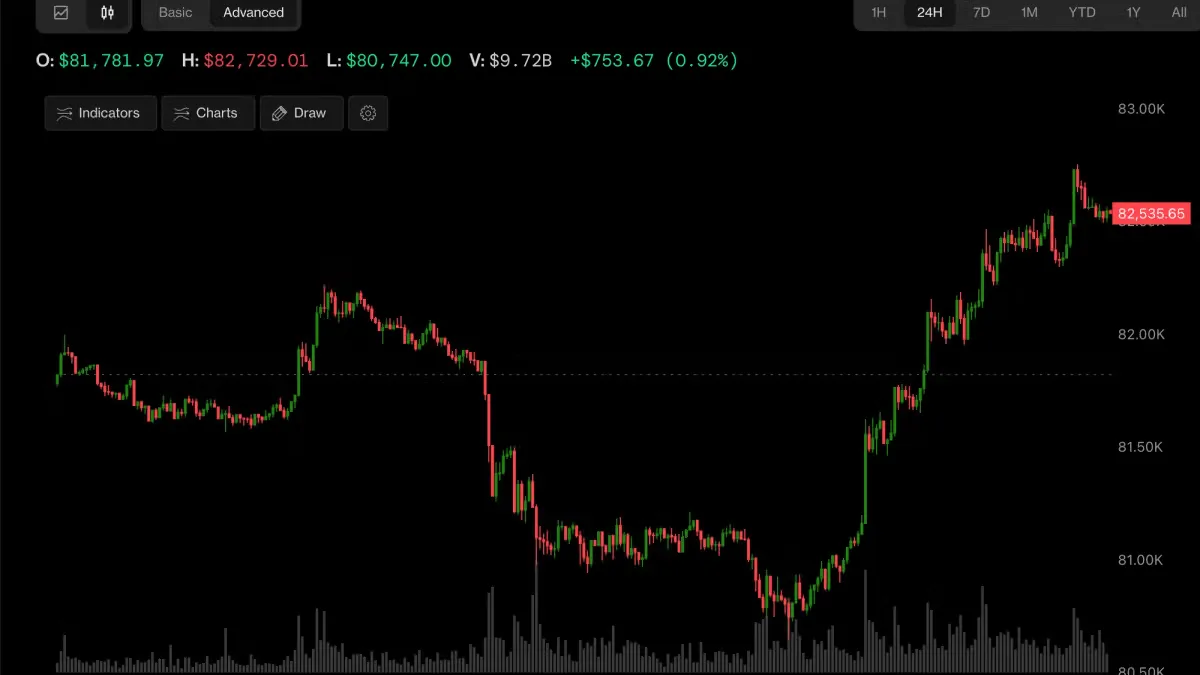
Bitcoin, the largest digital asset by market capitalization, traded around $82,500 in the Asian session, up 0.7% since midnight UTC and 1.3% over the past 24 hours. The gain was not an isolated phenomenon. Nasdaq futures jumped more than 1%, Japan's Nikkei index leapt 1.8%, and South Korea's Kospi climbed 0.6%. Chinese stock markets also posted a moderate 0.3% gain. The moves marked a reversal after Asian and Wall Street markets came under sharp pressure last week, mainly due to selling in artificial intelligence-related shares.
Beyond GDP, China's domestic demand indicators reinforced the recovery narrative. Retail sales of consumer goods rose 1.1% in the same period, more than double the market projection of 0.5%, and far better than the 0.4% increase the previous month. For financial markets, China is more than just a large economy; it is the world's factory and a major importer of industrial commodities. When its economic activity data improves, expectations for global demand rise as well, and investors tend to increase their allocation to risk assets.
The second factor supporting the rally was the decline in crude oil prices on both sides of the Atlantic. According to a Reuters report, the correction was driven by expectations that the Russia waiver signed by President Donald Trump would add to global supply. Although geopolitical risk in the Middle East has not fully dissipated, the market chose to focus on the short-term implications: lower energy costs could ease inflation pressure. If inflation moderates, the Federal Reserve has more room to loosen monetary policy. Currently, the US central bank is expected to hold its benchmark interest rate in the 4.75%–5% range at this month's meeting, after raising it by 25 basis points last month.
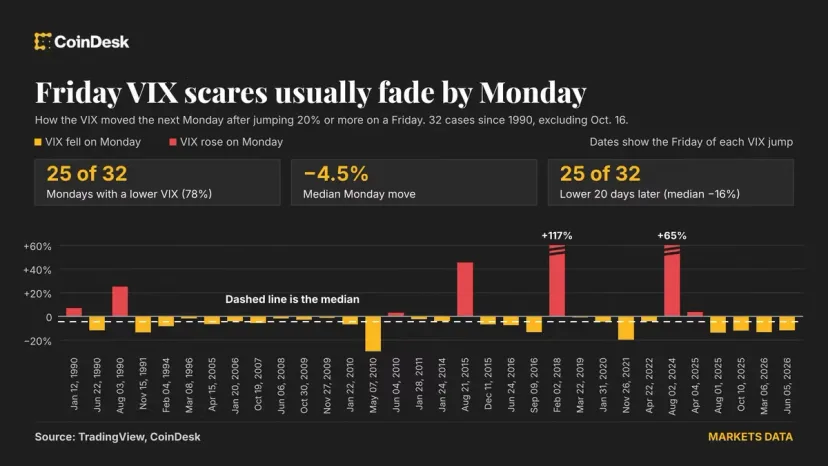
The dynamics also align with the historical pattern of the VIX volatility index, which tends to normalize after a sharp spike on Friday. VIX normalization often coincides with stable equity markets, and that was reflected in buying at the start of the week. However, analysts cautioned that a rally based on a single data point is vulnerable to reversal if The Fed's policy expectations are not met or geopolitical tensions flare up again.
For Indonesia, the global market rally carries layered implications. On one hand, foreign capital flows into risk assets, including domestic bonds and equities, could strengthen as global investors' risk appetite improves. On the other hand, lower oil prices could reduce the energy subsidy burden and ease the budget deficit, while giving Bank Indonesia room to maintain exchange-rate stability. However, Indonesia's reliance on commodity exports makes stronger Chinese demand a boon for its trade balance, especially for coal, palm oil, and industrial metals.
Looking ahead, the market will watch whether the China data marks the start of a sustained recovery trend or is merely short-term stimulus. This month's Fed decision is the next test: if easing signals strengthen, crypto assets and technology stocks could extend their rally. Conversely, if inflation picks up again due to fluctuating oil prices, the risk-on euphoria could evaporate quickly. Investors need to monitor US labor data releases and Middle East geopolitical developments in the coming weeks.