
Quad Launches Indo-Pacific Monitor as Hormuz Crisis Escalates
Baca dalam 60 detik
- The Hormuz crisis, triggered by recent attacks on oil tankers, has pushed crude prices to multi-year highs and exposed vulnerabilities in global supply chains.
- The Quad's monitor plan aims to provide early warning of hostile activities, enabling faster responses to protect shipping lanes.
- This initiative shifts the region's security calculus from reactive to proactive.
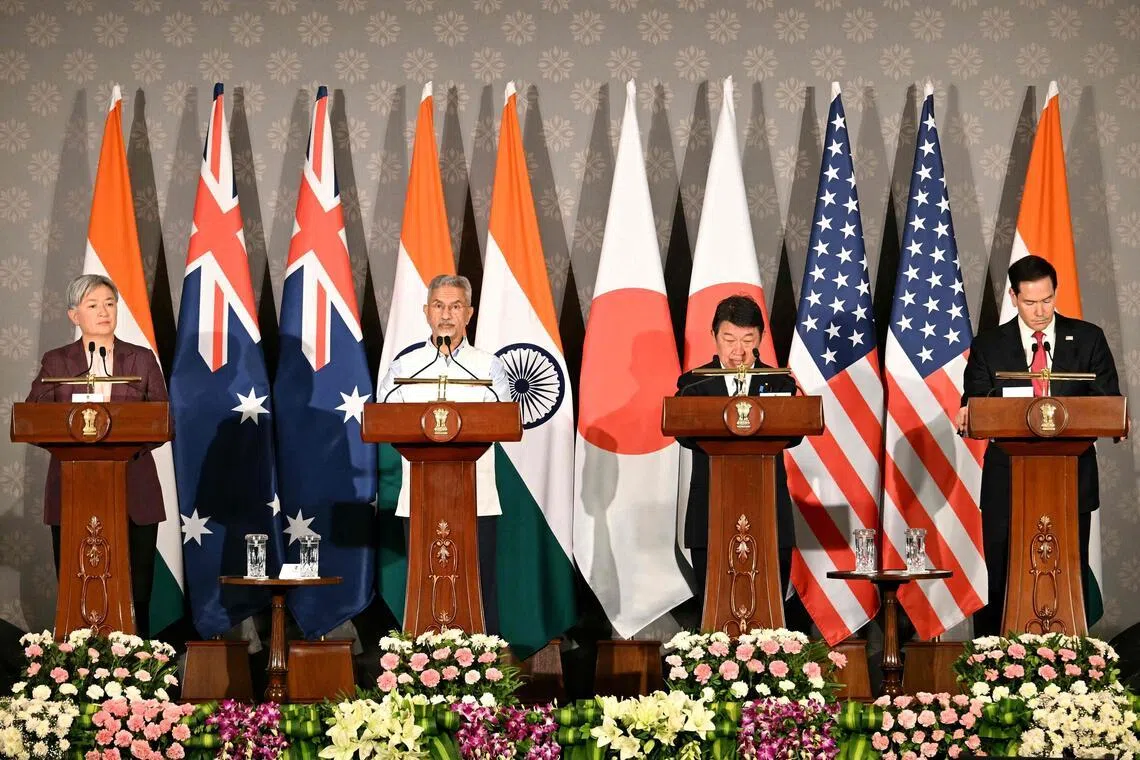
The Hormuz crisis, triggered by recent attacks on oil tankers, has pushed crude prices to multi-year highs and exposed vulnerabilities in global supply chains. The Quad's monitor plan aims to provide early warning of hostile activities, enabling faster responses to protect shipping lanes. This initiative shifts the region's security calculus from reactive to proactive.
Data from the monitor will be shared among Quad members—US, India, Japan, Australia—enhancing collective situational awareness without requiring a permanent naval presence. The system integrates existing maritime domain awareness tools with new AI-driven analytics to predict threats. This approach reduces operational costs while maximizing coverage across 3,000 nautical miles.
Analysts estimate the monitor plan could reduce incident response times by 40%, directly impacting insurance premiums and shipping costs. However, success hinges on cooperation from regional partners like Saudi Arabia and the UAE, which face pressure from Iran. The Quad's move also challenges China's influence in the Indo-Pacific, as Beijing maintains close ties with Tehran.
Power Move: The Quad's monitor plan transforms the Hormuz crisis from a vulnerability into a strategic opportunity—by owning the information layer, they gain leverage without committing forces. Expect this model to become the blueprint for future crisis management in contested waters, reshaping how maritime security is governed.
This article was edited with AI assistance for readability. Read original here.


