Iran Ends 87-Day Internet Blackout: Pezeshkian Lifts Ban Amid Strikes
Baca dalam 60 detik
- The blackout, Iran's longest since 2019, aimed to suppress dissent and limit intelligence leaks during foreign attacks.
- Pezeshkian's decision follows mounting economic pressure, as the shutdown cost Iran an estimated $2 billion in lost e-commerce and digital services.
- Restoring connectivity now allows businesses to resume operations, stabilizing a fragile economy.
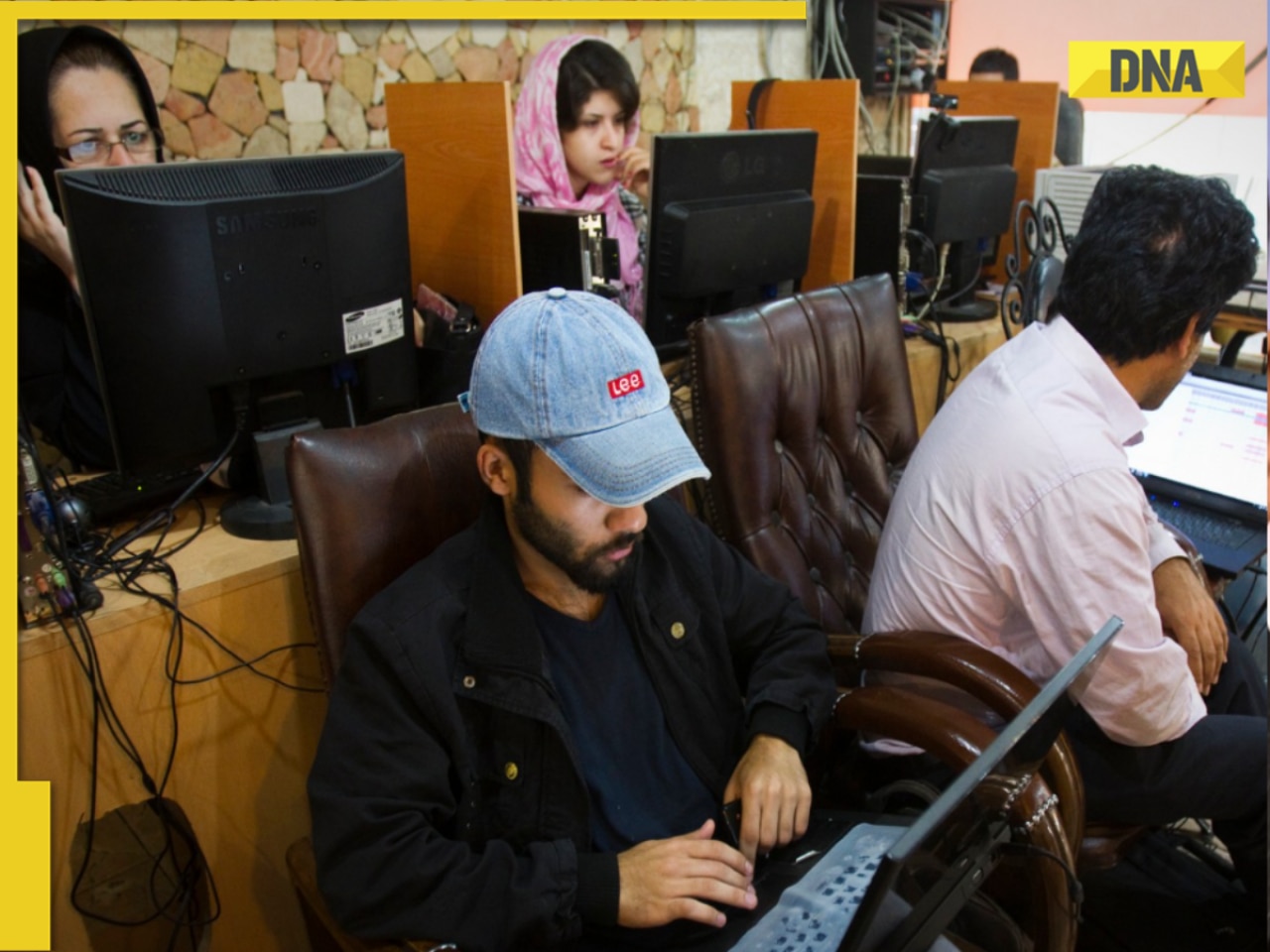
The blackout, Iran's longest since 2019, aimed to suppress dissent and limit intelligence leaks during foreign attacks. Pezeshkian's decision follows mounting economic pressure, as the shutdown cost Iran an estimated $2 billion in lost e-commerce and digital services. Restoring connectivity now allows businesses to resume operations, stabilizing a fragile economy.
Tehran frames the lift as a concession to public demand, but analysts warn the government retains kill-switch capabilities. The timing coincides with diplomatic backchannels, suggesting Pezeshkian seeks to project normalcy while preparing for potential escalation. Social media platforms remain restricted, with only government-approved services fully accessible.
This move mirrors Iran's strategy after the 2022 protests, where temporary liftings preceded renewed crackdowns. The regime prioritizes control over connectivity, using blackouts as a tool of statecraft. Pezeshkian's gamble tests whether digital freedom can coexist with authoritarian oversight.
Power Move: Pezeshkian's lift buys time but doesn't resolve Iran's digital dilemma. Expect selective outages during future crises—control, not connectivity, remains Tehran's priority. Businesses must hedge against recurring shutdowns.
This article was edited with AI assistance for readability. Read original here.