20 Years On, Lapindo Mud Disaster Haunts Indonesia
Baca dalam 60 detik
- On May 29, 2006, PT Lapindo Brantas' drilling breach unleashed hot mud that would eventually cover 16 villages and displace 40,000 people.
- The flow continues today, making it the longest-lasting mud volcano disaster in history.
- Economic losses exceed $4 billion, with thousands still living in temporary shelters.
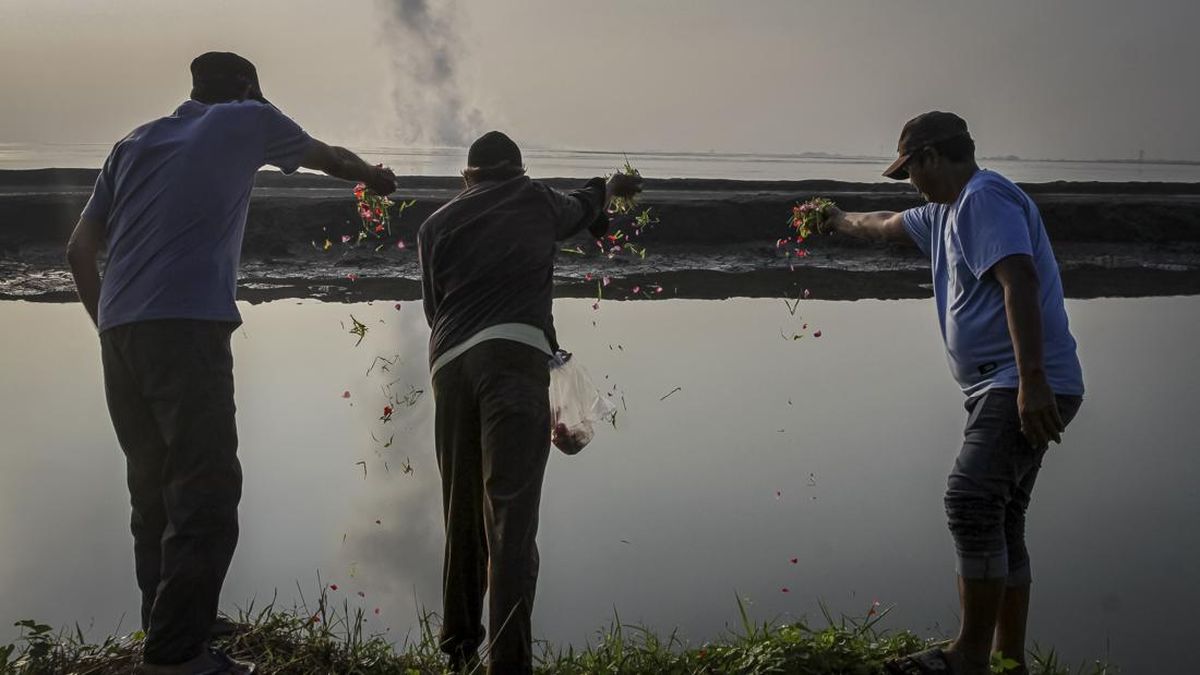
On May 29, 2006, PT Lapindo Brantas' drilling breach unleashed hot mud that would eventually cover 16 villages and displace 40,000 people. The flow continues today, making it the longest-lasting mud volcano disaster in history. Economic losses exceed $4 billion, with thousands still living in temporary shelters.
Indonesia's government has paid $780 million in compensation, but many victims claim it's inadequate. Legal battles against Lapindo Brantas have dragged on, with the company avoiding full liability through corporate restructuring. This case highlights systemic weaknesses in environmental regulation and disaster response.
The disaster reshaped Indonesia's mining and energy policies, yet enforcement remains weak. New drilling projects proceed with insufficient oversight, risking repeat catastrophes. The Lapindo tragedy serves as a stark warning of unchecked industrial expansion.
Power Move: As Indonesia accelerates resource extraction, the Lapindo lesson demands immediate regulatory overhaul. Without binding corporate liability and independent monitoring, future disasters are inevitable. The mud continues to flow—but so should justice.
This article was edited with AI assistance for readability. Read original here.