Quad Delhi Meet: Iran War Exposes Supply Chain Vulnerabilities
Baca dalam 60 detik
- Iran's war risks severing key maritime corridors, forcing Quad nations to accelerate alternative transport corridors like the India-Middle East-Europe Economic Corridor.
- This strategic pivot redefines the Quad's purpose from maritime security to economic warfare preparedness.
- Analysts estimate 30% of global oil transits through Hormuz, making supply chain diversification an existential priority.
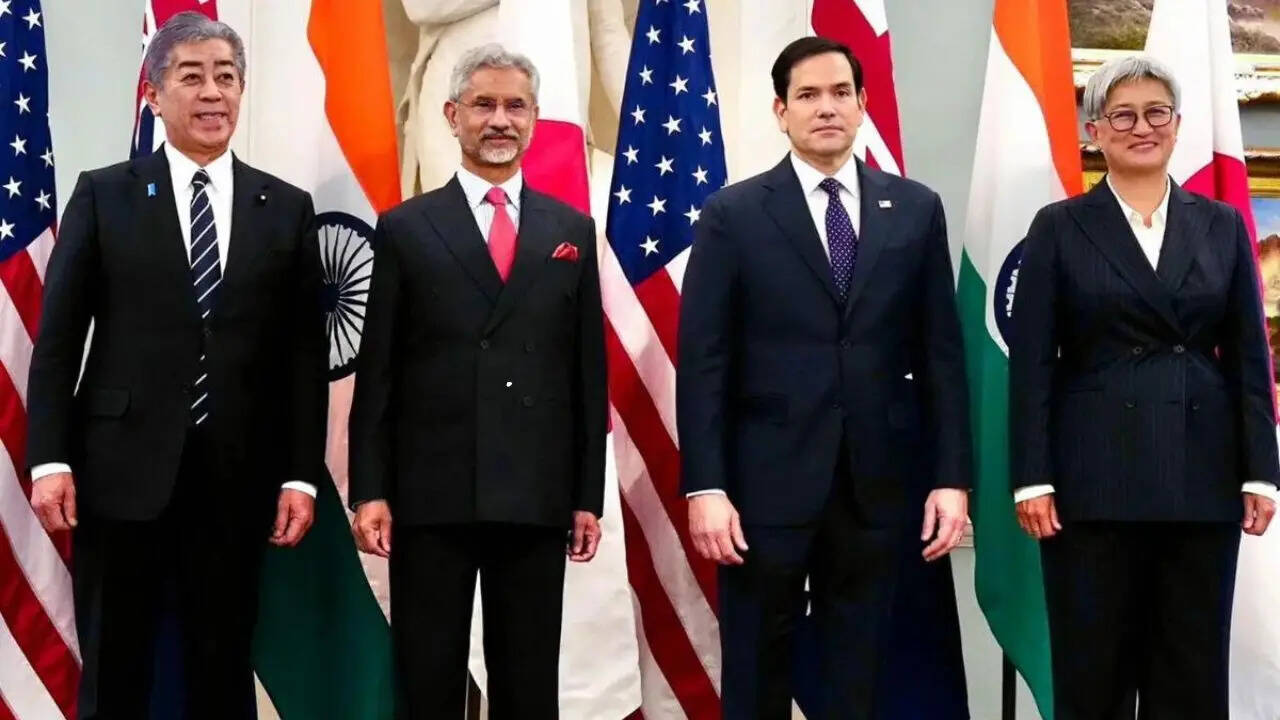
Iran's war risks severing key maritime corridors, forcing Quad nations to accelerate alternative transport corridors like the India-Middle East-Europe Economic Corridor. This strategic pivot redefines the Quad's purpose from maritime security to economic warfare preparedness. Analysts estimate 30% of global oil transits through Hormuz, making supply chain diversification an existential priority.
India's position as a regional logistics hub becomes critical, with New Delhi pushing for expanded port infrastructure and digital trade protocols. The Quad's new focus on supply chain resilience could redirect billions in infrastructure investments toward Southeast Asia and Central Asia. Japan and Australia are already mapping alternative shipping routes that bypass conflict zones.
The crisis tests the Quad's ability to coordinate beyond military exercises into economic statecraft. Real-time data sharing on shipping disruptions and joint stockpile management are now on the table. Failure to secure supply chains would embolden adversaries and weaken the Quad's strategic credibility.
Power Move: The Iran conflict is a stress test for the Quad's economic architecture. Nations that invest now in redundant trade routes and digital supply chain tracking will dominate post-crisis trade. Expect a formal Quad supply chain resilience pact within 12 months.
This article was edited with AI assistance for readability. Read original here.