Iodine Deficiency Surges as Low-Salt Diets Backfire: Health Alert
Baca dalam 60 detik
- Public health campaigns urging salt reduction inadvertently lower iodine intake, since iodized salt remains a primary source.
- A 2024 study found 40% of young adults now have borderline iodine levels, up from 20% a decade ago.
- This trend threatens decades of progress in preventing goiter and cretinism.
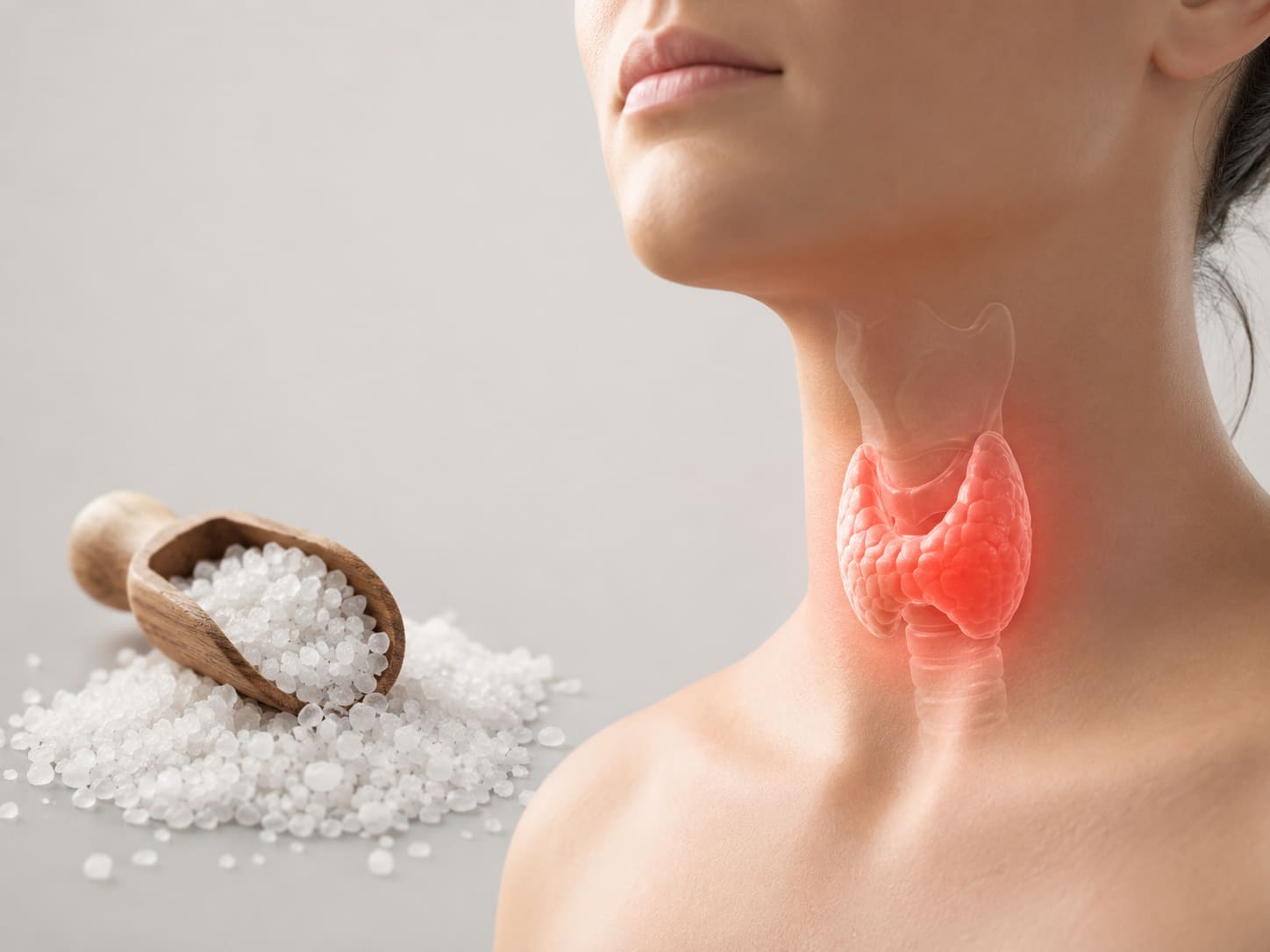
Public health campaigns urging salt reduction inadvertently lower iodine intake, since iodized salt remains a primary source. A 2024 study found 40% of young adults now have borderline iodine levels, up from 20% a decade ago. This trend threatens decades of progress in preventing goiter and cretinism.
Iodine is critical for thyroid hormone production, which regulates metabolism, growth, and brain development. Deficiency during pregnancy can cause irreversible fetal brain damage, reducing IQ by 10-15 points. Even mild deficiency in adults increases fatigue, weight gain, and hypothyroidism risk.
The food industry's shift to non-iodized sea salt and Himalayan pink salt exacerbates the problem, as these trendy alternatives lack iodine. Dairy and bread, once reliable iodine sources, now contribute less due to changes in animal feed and processing. Consumers must actively seek iodine-rich foods like seaweed, fish, and eggs.
Power Move: The low-salt movement needs a strategic recalibration: public health must promote iodized salt specifically, not blanket reduction. Expect fortified foods to emerge as a market response, but individual vigilance remains key. Ignoring this trend invites a preventable public health crisis.
This article was edited with AI assistance for readability. Read original here.

:strip_icc():format(jpeg)/kly-media-production/medias/3349413/original/030667000_1610633903-pexels-guilman-5960469.jpg)