500 Girls Trained in Menstrual Hygiene: A/Ibom's Bold Move
Baca dalam 60 detik
- The training equips girls with reusable pad-making skills, reducing reliance on expensive disposable products.
- This economic angle turns a health intervention into a micro-entrepreneurship opportunity, potentially generating local income streams.
- The initiative's scalability suggests a blueprint for other states in Nigeria's Niger Delta region.
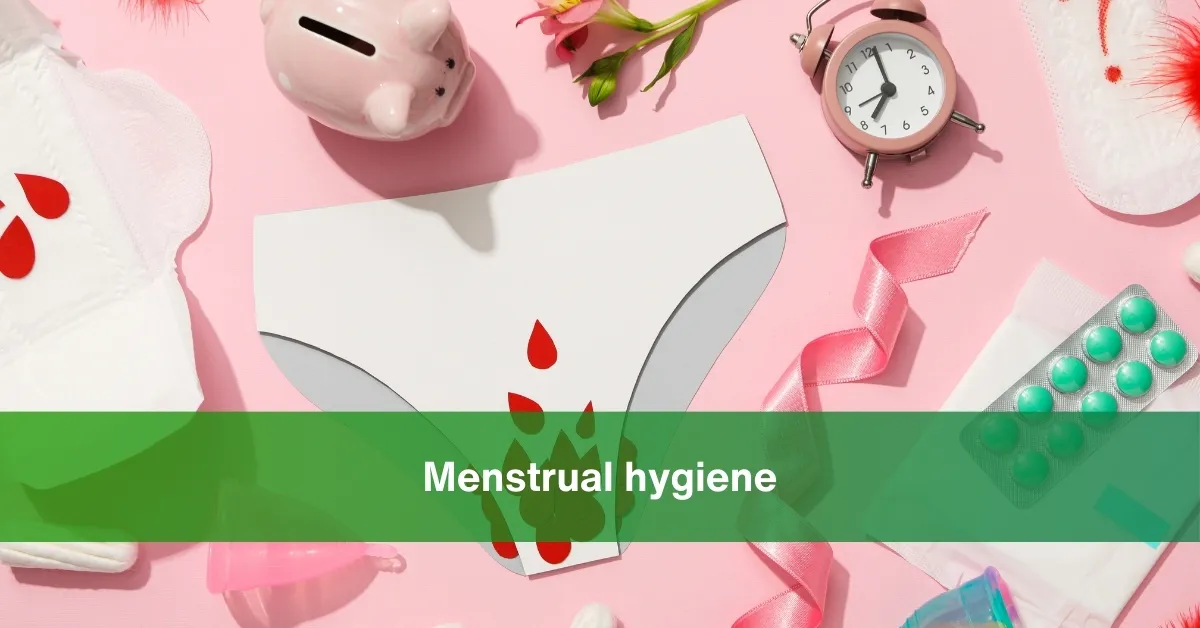
The training equips girls with reusable pad-making skills, reducing reliance on expensive disposable products. This economic angle turns a health intervention into a micro-entrepreneurship opportunity, potentially generating local income streams. The initiative's scalability suggests a blueprint for other states in Nigeria's Niger Delta region.
By engaging the First Lady's office, the program gains political capital that ensures sustainability beyond donor cycles. This high-level sponsorship signals a shift in government prioritization of adolescent health, a sector often underfunded. The timing aligns with Nigeria's push to meet SDG 5 on gender equality and SDG 3 on health.
Critics note the program's limited reach against a population of over 5 million, but its strategic value lies in proof of concept. Community health workers will track attendance and health metrics, providing data to justify wider rollout. This evidence-based approach positions Akwa Ibom as a model for menstrual health policy in West Africa.
Power Move: By combining health education with economic empowerment, Akwa Ibom's First Lady creates a replicable model for adolescent health intervention. Expect other states to adopt similar programs within 12 months, driving a regional shift in menstrual hygiene policy. The real power move: turning a health crisis into a sustainable economic opportunity.
This article was edited with AI assistance for readability. Read original here.