2026 Nobel in Economics: Hall and Woodford Win, Central Bank Expectations Theory in the Spotlight
Baca dalam 60 detik
- Robert E. Hall dan Michael Woodford meraih Sveriges Riksbank Prize 2026 untuk fondasi mikroekonomi stabilisasi makro.
- Kemenangan Woodford menegaskan peran ekspektasi publik dalam kebijakan moneter, termasuk forward guidance.
- Indonesia perlu memperkuat komunikasi bank sentral agar ekspektasi inflasi tidak liar dan kebijakan lebih efektif.
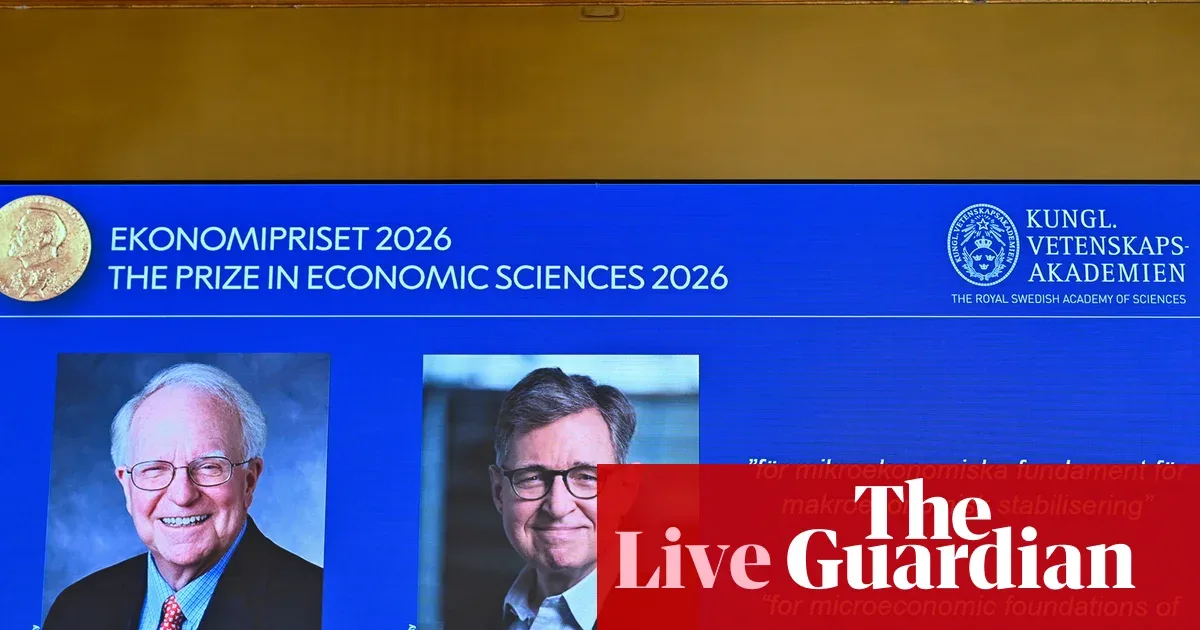
Robert E. Hall and Michael Woodford were named recipients of the 2026 Sveriges Riksbank Prize in Economic Sciences in Memory of Alfred Nobel. The award recognizes their contribution in building the microeconomic foundations for macroeconomic stabilization—a framework that explains how household and firm decisions shape the effectiveness of monetary and fiscal policy.
Woodford's win is no surprise to economists. His name has long been cited as the chief architect of forward guidance, an approach in which central banks steer the economy through managing the public's inflation expectations, not merely through changes in interest rates. This approach has become the backbone of modern central bank communication, from the Federal Reserve to Bank Indonesia.
Hall, a senior economist at Stanford University, is known for his research on the labor market, consumption, and economic fluctuations. The combination of the two provides a theoretical framework that explains why policy signals—even before interest rates are changed—can move markets and public behavior.
For developing countries such as Indonesia, the implications of this award go beyond academic achievement. Bank Indonesia often uses policy signals to anchor market expectations. When inflation expectations are kept in check, interest rate hikes can be more measured and government borrowing costs do not spike. Conversely, expectations that slip out of control force central banks to act aggressively—as happened in 2022 when global inflation surged.
“Monetary policy works through expectations. If the public believes the central bank will keep inflation in check, the outcome is better than merely raising interest rates,” so goes the core of Woodford's argument, often cited in monetary economics literature.
This win also underscores the direction of modern economic research, which increasingly emphasizes individual behavior and asymmetric information. The New Keynesian model developed by Hall and Woodford has become a standard tool for central banks to project the impact of external shocks, including oil price spikes or geopolitical tensions.
Amid global uncertainty in 2026, the main message of this award is clear: policy communication matters as much as the policy instruments themselves. The question is, how ready are central banks in developing countries—including Indonesia—to adopt this framework consistently?