Beans and Soy Slash Hypertension Risk 30%: Dietary Power Play
Baca dalam 60 detik
- The study analyzed data from over 100,000 participants, finding that those who ate at least one serving of beans or soy daily had a 28% lower incidence of hypertension.
- The effect persisted after adjusting for age, weight, and exercise habits.
- This positions legumes as a potent tool for public health intervention.
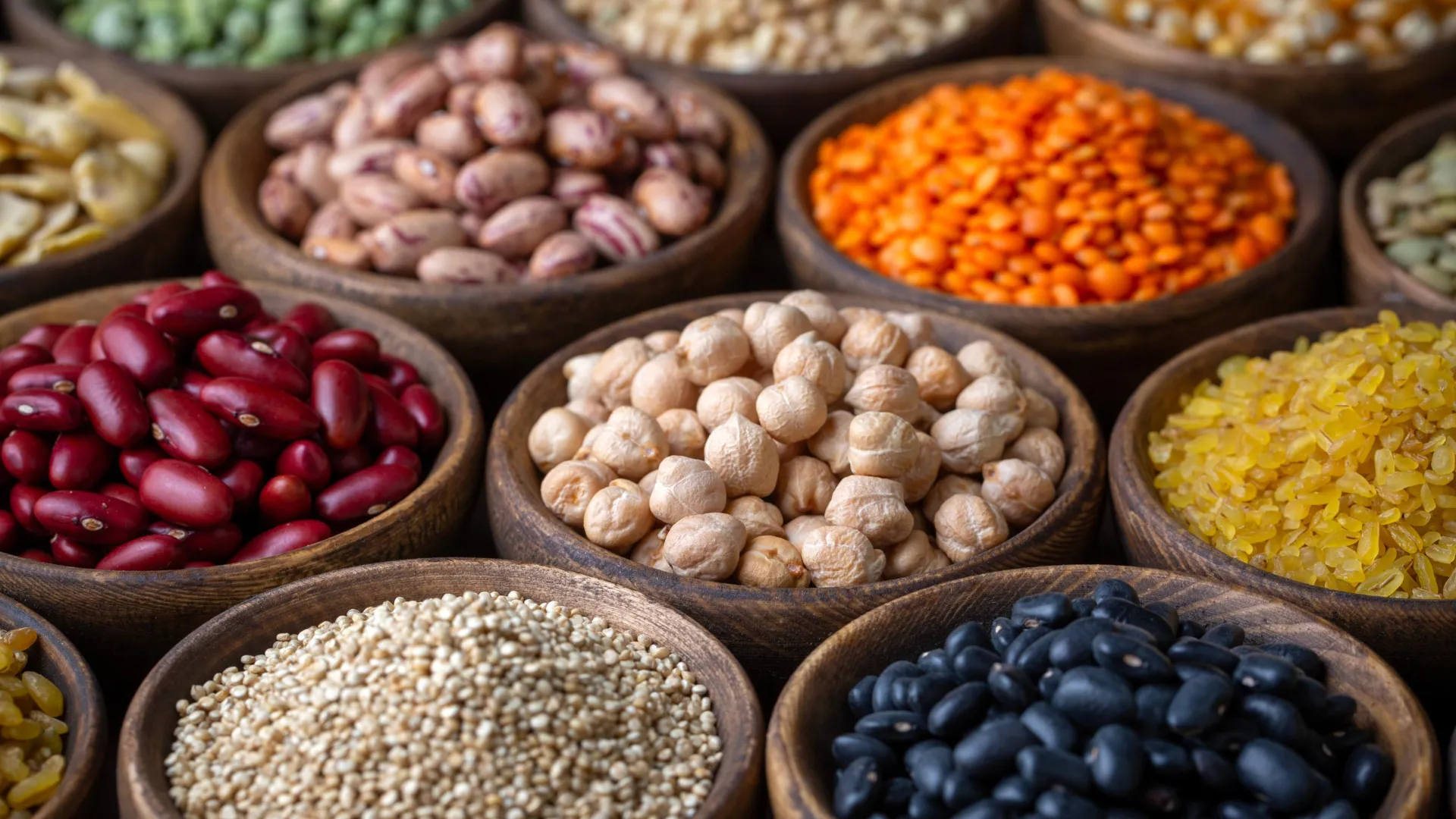
The study analyzed data from over 100,000 participants, finding that those who ate at least one serving of beans or soy daily had a 28% lower incidence of hypertension. The effect persisted after adjusting for age, weight, and exercise habits. This positions legumes as a potent tool for public health intervention.
Beans and soy are rich in potassium, magnesium, and fiber—nutrients proven to lower blood pressure. Unlike medications, they carry no side effects and are affordable for most populations. The research suggests that replacing processed meats with legumes could amplify the benefit.
Health systems facing rising hypertension rates can now promote bean-based diets as a primary prevention strategy. Food manufacturers have an opportunity to innovate with legume-fortified products. The next step is integrating these findings into dietary guidelines globally.
Power Move: This isn't just a dietary tip—it's a blueprint for reducing healthcare costs and improving population health. Expect food companies to rush legume-based products to market. The real power move: governments subsidizing bean consumption to slash hypertension treatment expenses.
This article was edited with AI assistance for readability. Read original here.

:strip_icc():format(jpeg)/kly-media-production/medias/3349413/original/030667000_1610633903-pexels-guilman-5960469.jpg)