
ISIS-Linked Australian Women Repatriated: Security Gamble
Baca dalam 60 detik
- The women, held in Syrian camps since the caliphate's fall, face potential charges upon arrival.
- Officials prioritize deradicalization programs over detention, citing legal obligations to citizens stranded abroad.
- Critics warn this approach could strain intelligence resources and public trust.
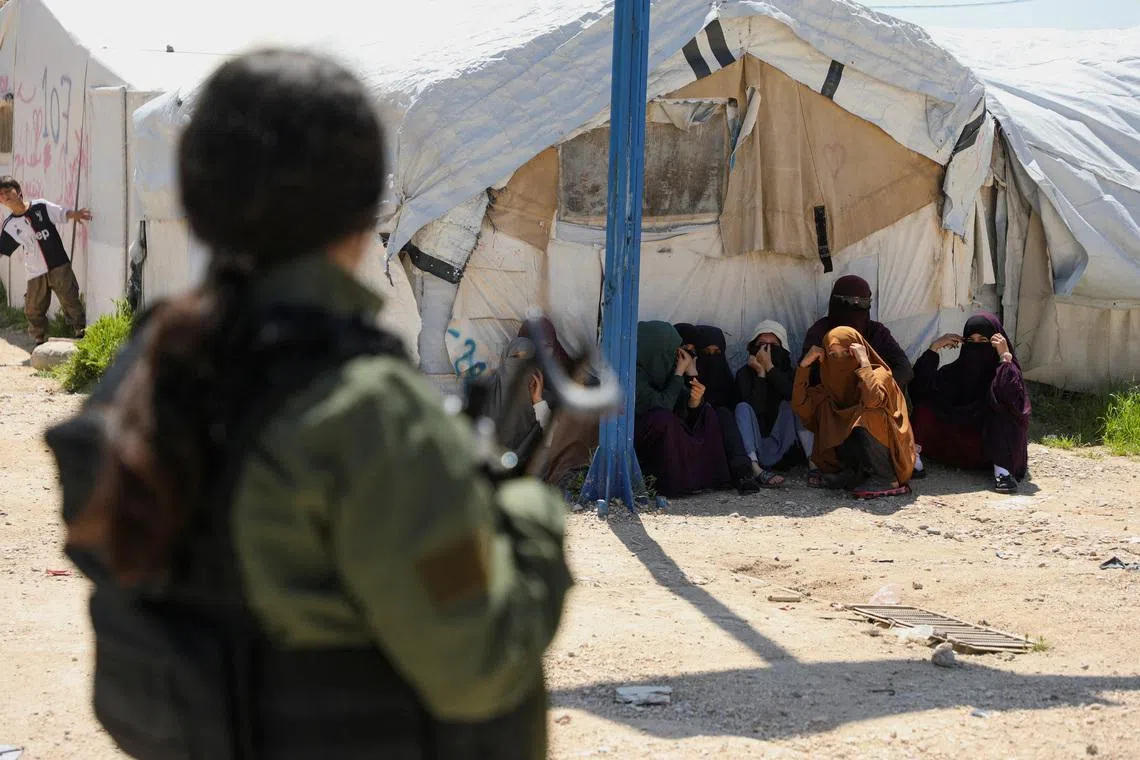
The women, held in Syrian camps since the caliphate's fall, face potential charges upon arrival. Officials prioritize deradicalization programs over detention, citing legal obligations to citizens stranded abroad. Critics warn this approach could strain intelligence resources and public trust.
Australia's repatriation policy mirrors Western allies' efforts to close a chapter on ISIS foreign fighters. However, the absence of a unified international framework leaves governments to navigate legal and security challenges independently. Each return case requires tailored risk assessments and monitoring protocols.
Analysts note the strategic calculus: leaving citizens in unstable camps risks radicalization and diplomatic fallout. Bringing them home allows controlled rehabilitation but invites political backlash. The government must balance humanitarian duties with electoral consequences.
Power Move: Australia's repatriation strategy is a high-stakes bet that deradicalization can succeed where detention fails. Success could set a global precedent; failure would empower populist anti-immigration narratives. The real test lies in long-term monitoring and community integration.
This article was edited with AI assistance for readability. Read original here.


