Samsung Gallery Ends OneDrive Sync: Microsoft's Cloud Strategy Shift
Baca dalam 60 detik
- The integration's sunset means Samsung Gallery users must manually transfer photos to OneDrive via the Samsung Cloud platform after the deadline.
- This extra step reduces the seamless sync experience that differentiated Galaxy devices from competitors.
- Microsoft gains nothing by killing direct integration—unless it plans to push its own Gallery app or subscription tiers.
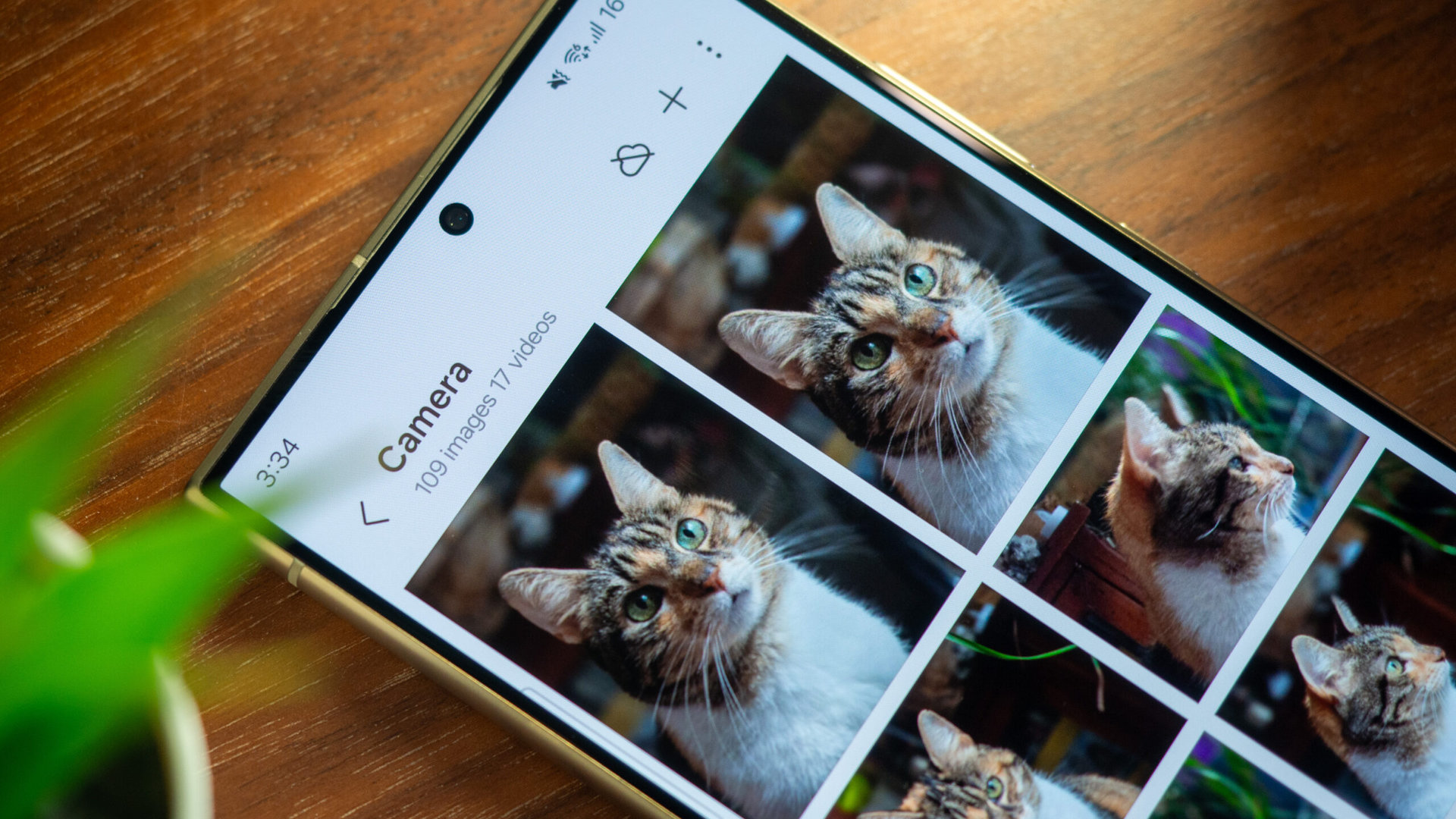
The integration's sunset means Samsung Gallery users must manually transfer photos to OneDrive via the Samsung Cloud platform after the deadline. This extra step reduces the seamless sync experience that differentiated Galaxy devices from competitors. Microsoft gains nothing by killing direct integration—unless it plans to push its own Gallery app or subscription tiers.
Samsung's pivot likely aims to reduce dependency on Microsoft's infrastructure while bolstering its own SmartThings Cloud. The 2026 deadline gives both companies 18 months to migrate users and test alternative solutions. Expect Samsung to launch an enhanced cloud sync feature within its ecosystem, possibly integrating with Google Photos as a backup.
For power users, this is a minor inconvenience; for casual users, it's a friction point that could erode brand loyalty. The timing aligns with Android 15's rollout, suggesting Samsung may embed new cloud APIs. Competitors like Google Pixel already offer unlimited original-quality backups—Samsung must match that or risk losing photo-savvy customers.
Power Move: Microsoft and Samsung are quietly untangling their alliance. Samsung's next move—whether integrating Google Photos or building a proprietary sync—will define its cloud strategy. Users should prepare for a fragmented backup landscape; those relying on OneDrive must adapt by 2026 or lose automatic syncing.
This article was edited with AI assistance for readability. Read original here.