London Metropolitan Police Chief Calls for Total Reform: England's 43 Police Forces Deemed Unfit to Face Modern Crime
Baca dalam 60 detik
- Sir Mark Rowley mengusulkan penggabungan 43 kepolisian Inggris menjadi 8-10 kekuatan regional plus satu badan nasional untuk kejahatan serius.
- Anggaran kepolisian Inggris turun dari 0,9% menjadi 0,7% PDB sejak 2010, sementara kejahatan siber dan lintas negara meningkat tajam.
- Sejumlah komisioner kepolisian daerah menolak rencana itu dan menuduhnya sebagai manuver politik kekuatan besar untuk menguasai sumber daya.
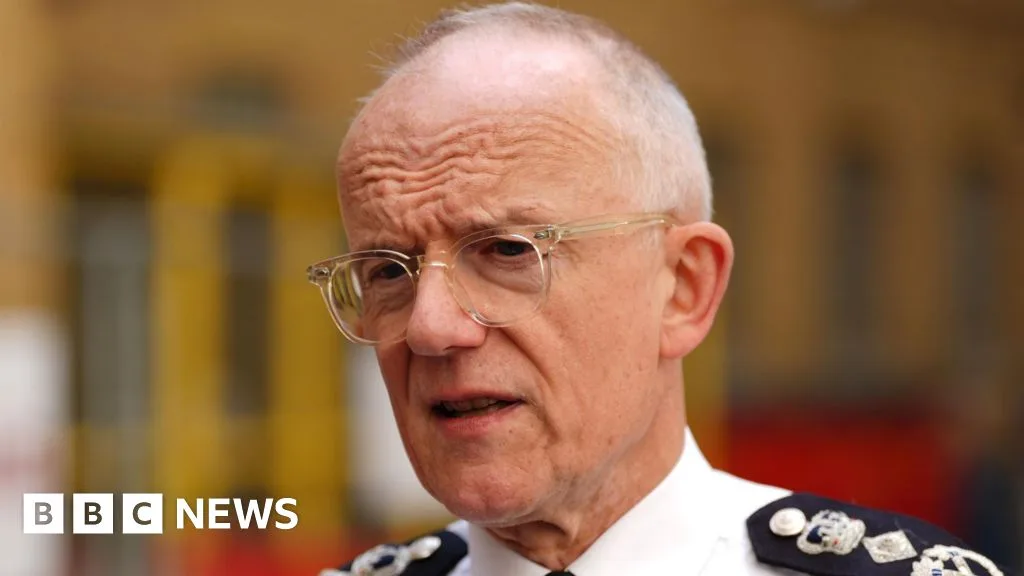
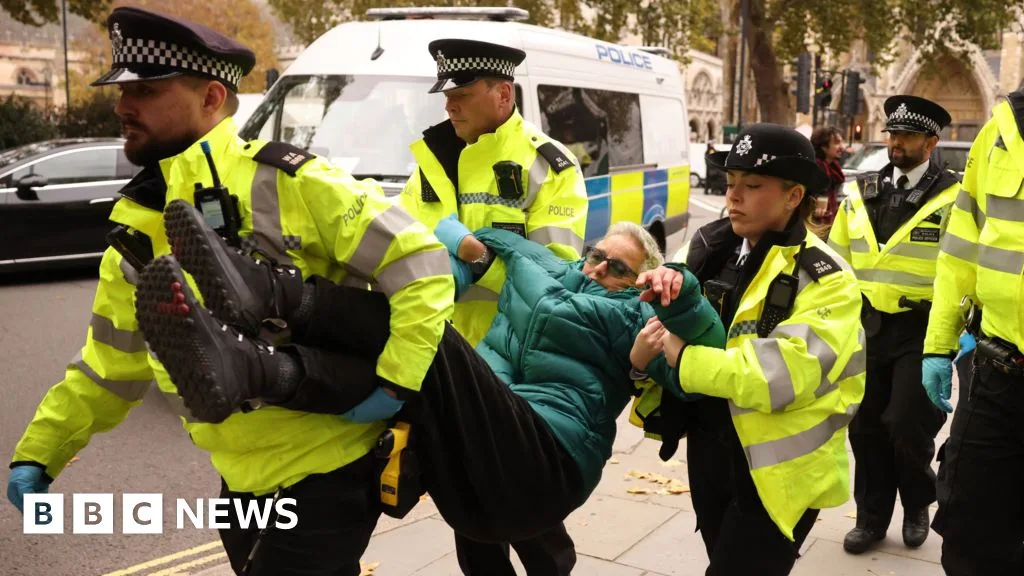
The head of London's Metropolitan Police, Sir Mark Rowley, has asserted that the policing system in England and Wales will not be able to face increasingly sophisticated modern crime without urgent reform. In a speech last Friday, he warned that without structural change, the current policing system is "heading for failure".
Rowley proposed the biggest overhaul since the 1960s: replacing the structure of 43 separate police forces with three tiers—local teams for neighborhood issues, regional forces sharing specialist resources, and a National Police Service handling the most serious crimes. He argued that merging forces would reduce duplication and free up thousands of personnel for frontline duty.
The proposal comes amid political uncertainty. In January, Home Secretary Shabana Mahmood published a white paper aligned with the idea and asked former Metropolitan Commissioner Lord Hogan-Howe to review the boundaries of forces. But the situation changed after Andy Burnham became prime minister in July. So far Burnham has not offered public support, and police chiefs fear reform will lose momentum.
Rowley highlighted that organized crime groups, fraud networks, cyber criminals, and online child abusers now operate across regional and international borders. "The victims remain local, but the threat is increasingly not local," he said, citing children "groomed by predators from another continent". He argued the existing system struggles to keep pace with the threat. "We have 43 forces struggling to do too much with too few resources," he said.
But the plan has drawn opposition. Several police and crime commissioners in rural areas accused the proposal of being a "political maneuver" by large forces to "load the dice in their favor". David Sidwick, the Dorset commissioner, stressed his concern: if funds are diverted from frontline services to build a new national structure, local communities could receive less, not more. Matthew Scott of Kent argued that Rowley wants policing to undergo a "decade of disruption" without ever asking the public what they want.
The Association of Police and Crime Commissioners (APCC) also doubts the effectiveness of mergers. They said the need for modernization and a National Police Service is clear, but reducing 43 forces to nine regional "mega-forces" is not. Mark Roberts, the soon-to-retire Chief Constable of Cheshire, warned that "bigger is not always better" and stressed the importance of preserving well-performing units so they are not subordinated to metropolitan areas.
The Home Office, for its part, defended the plan. A spokesperson said the current policing model has not changed since the 1960s and no longer fits needs. Rowley also highlighted fiscal pressure: police spending has fallen from about 0.9% to 0.7% of GDP since 2010. "We do need investment, but if you pour a lot of money into the current system, the fundamental problems will still not be solved," he told the BBC. He added that years of underinvestment have left policing reliant on outdated technology and personnel increasingly diverted from neighborhood duties to handle mental health and social service issues.
If reform is not carried out, Rowley warned "the risk is failure"—meaning fewer cases solved, less police presence in neighborhoods, and riots like the one in Portsmouth last September (when 120 migrants arrived in a single rubber boat) could be harder to handle. "Standing still means the degradation of policing day by day, falling further behind because criminals move faster than the police," he said.
The question now: will Prime Minister Andy Burnham provide enough political support to realize this major overhaul, or will English policing continue to operate with an outdated structure while facing increasingly sophisticated threats?