After the US Midterms, Burnham Faces a Wounded Trump: Aggressive or Constrained?
Baca dalam 60 detik
- Kemenangan Partai Demokrat pada pemilu sela AS dinilai sebagai hukuman atas mahalnya biaya hidup, yang akarnya ditelusuri ke perang Iran.
- Perdana Menteri Inggris Andy Burnham menempatkan tekanan ekonomi domestik sebagai prioritas, sambil mengakui bahwa konflik di Timur Tengah dan Ukraina memperparah situasi.
- Pertanyaan besar: apakah kekalahan Trump di dalam negeri akan membuatnya lebih konfrontatif di luar negeri, atau justru melemahkan posisinya di mata sekutu?
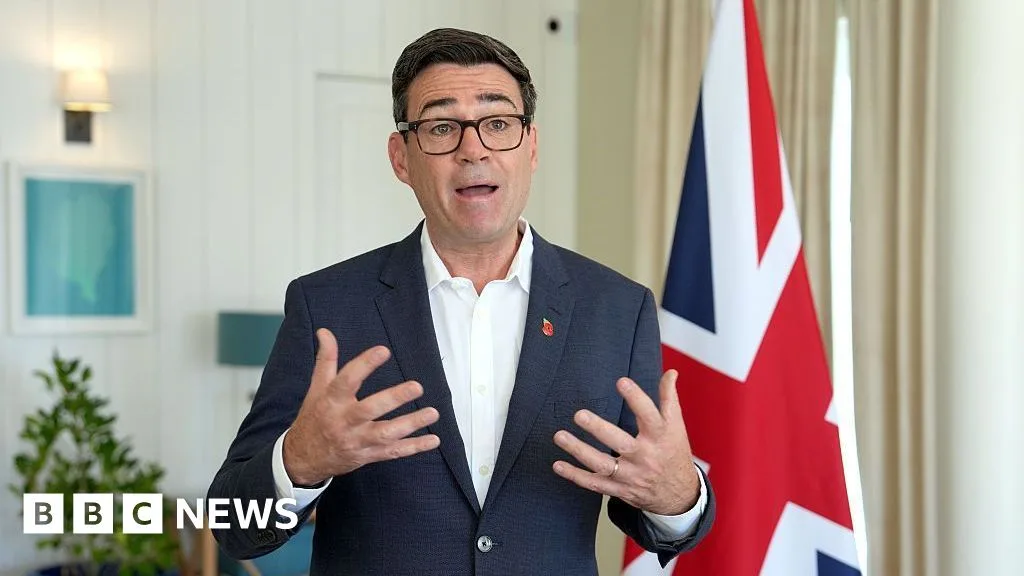
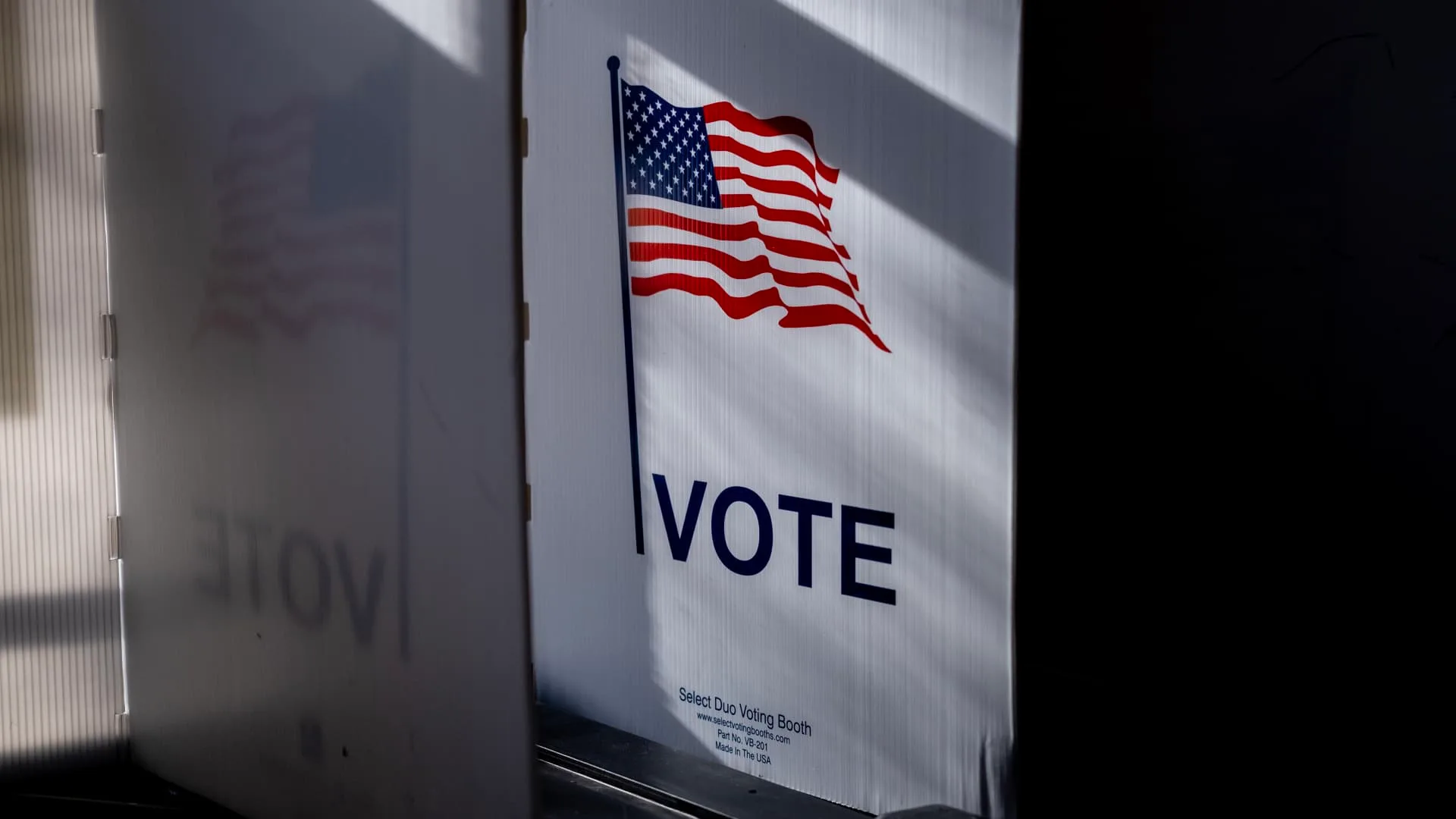
British Prime Minister Andy Burnham greeted the results of the United States midterm elections with a simple but pointed statement: “President Trump has accepted the result.” The sentence, delivered at a press conference in Downing Street on Friday (8/11), immediately highlighted a shift in the global political landscape — one in which accepting the outcome of democracy is no longer automatic.
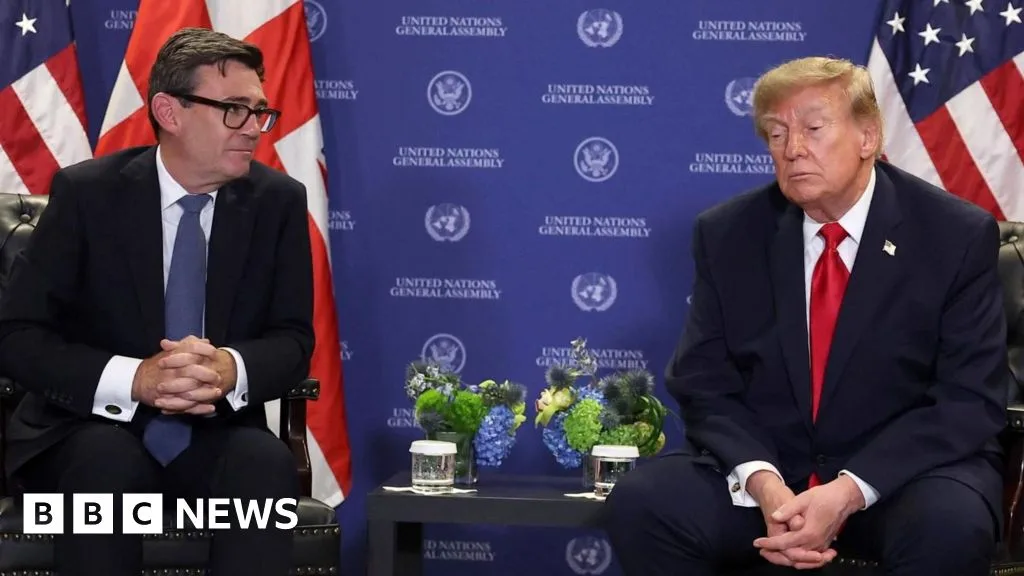
Burnham, who took office only last July, does not yet have a warm relationship with Trump. Their interactions so far have been limited to a few phone calls and one face-to-face meeting on the sidelines of the UN General Assembly in New York last September. Now he must build closeness with a US president who is politically embattled — a very different situation from his predecessor, Keir Starmer, who once tried to bridge relations with Trump while the latter was still at the peak of his popularity.
This midterm election is no longer a story of a remarkable comeback, but a reflection of punishment for a president seen as failing to control the fallout of foreign wars — an irony given that Trump once promised to avoid such military entanglements. For the British government, the public reaction that has emerged centers instead on the consequences of the war with Iran: soaring living costs.
“I feel the world now has a chance to unite to tackle the problem that affects us all, namely the cost of living,” Burnham said. “But I cannot ease the pressure of the cost of living on people until the conflict in the Middle East and the conflict in Ukraine started by Russia are resolved.”
Within the government, the Iran war and its impact on energy prices are believed to be the largest contributor to rising living costs. This puts many US allies, including Britain, in line with Americans from both parties who blame gasoline prices for the electoral defeat. Foreign Secretary Ed Miliband, in an interview with BBC Newscast before the vote count, alluded to this indirectly when asked whether a Trump humiliated at home would be more aggressive abroad. “I know the biggest responsibility of any government is the cost-of-living situation at home, and one of the biggest contributors is conflict,” he said. “The Strait of Hormuz is not fully closed, but it is not open smoothly, and that hits families at home.”
The big question for Britain and other traditional allies — the European Union, Canada, Australia — is whether defeat at home will make Trump angrier abroad, or instead push them to speak out more forcefully against a weakened president. The answer will shape the direction of international relations over the next two years. For Indonesia, this dynamic is worth watching: prolonged tension in the Middle East could disrupt energy supplies and raise import costs, while Indonesia's position as a non-aligned country could serve as a diplomatic bridge. The government needs to anticipate oil price volatility and strengthen cooperation with major trading partners.
With Trump now under domestic pressure, will he choose confrontation to restore his image, or instead soften for the sake of global economic stability? The world awaits his first move after the midterms.