Netanyahu Loses Majority, Arab Parties Become Kingmakers in Israeli Government
Baca dalam 60 detik
- Hasil sementara pemilu Israel menunjukkan blok Netanyahu tidak lagi menguasai kursi mayoritas di Knesset.
- Partai-partai yang mewakili warga Arab Israel meraih 19 kursi, memungkinkan mereka berperan sebagai kingmaker dalam pembentukan koalisi.
- Pemimpin oposisi Gadi Eisenkot dihadapkan pada pilihan sulit: berkoalisi dengan partai Arab atau membuka jalan bagi Netanyahu kembali berkuasa.

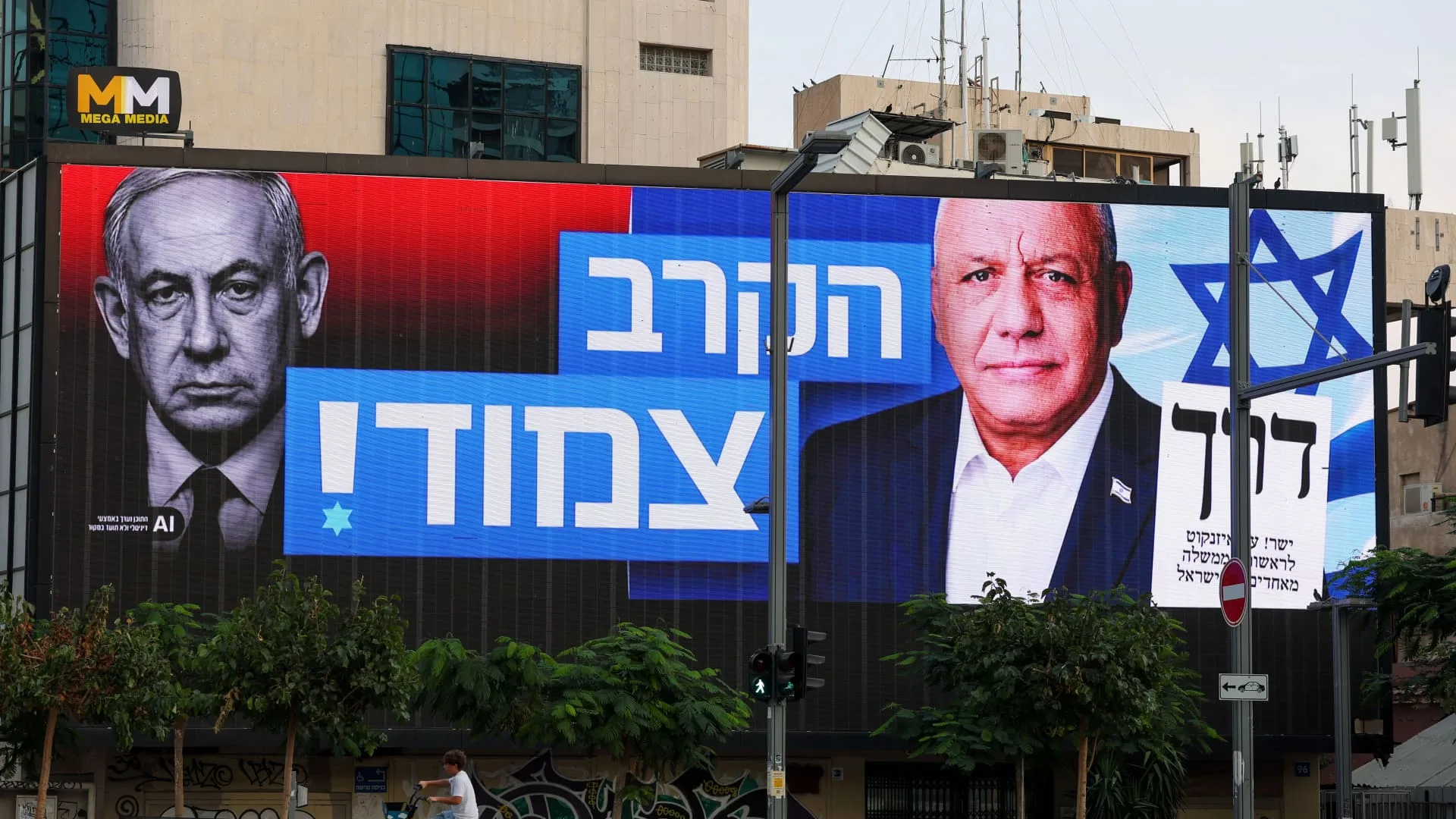
Israel's political map has shifted dramatically after vote counting in Tuesday's election (27/10) showed the bloc led by Benjamin Netanyahu losing its majority in the Knesset. The defeat not only ends Likud's dominance but also places Israel's Arab parties as the deciding factor in the direction of the next government.
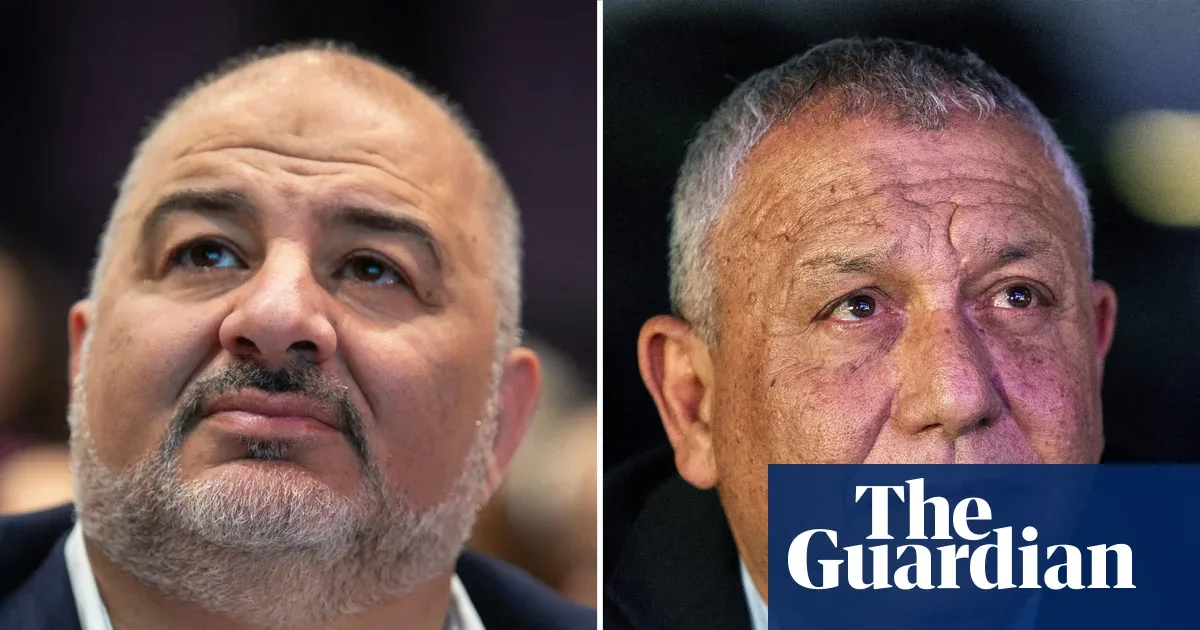
According to preliminary results, parties representing Arab citizens of Israel won 19 seats—the highest tally in Israel's political history. The result gives them strong bargaining power, especially since the opposition bloc led by Gadi Eisenkot needs additional support to form a coalition. Eisenkot, chairman of the Yashar party, now faces two options: bring the Arab parties on board or let Netanyahu return to power through a new election or a unity government.
Yair Golan, leader of the center-left Democrats party that is a junior partner in Eisenkot's bloc, said he would meet with three party leaders on Wednesday (28/10) to begin coalition talks. The meeting will involve Eisenkot, Yair Lapid of the B'Yachad party, and one other leader. Golan is so far the only opposition figure to openly support cooperation with parties led by Arab citizens of Israel.
Amid the tension, the Likud party filed an official complaint with Israel's Central Elections Committee, accusing the Arab parties of undermining the integrity of the election. The committee will examine the claim as part of a routine post-election review. However, the allegation comes without concrete evidence and is accompanied by a request for police and the Shin Bet security service to investigate. Likud's move is seen as an attempt to question the legitimacy of results that do not favor them.
"My message is: do not continue the war on the assumption of being above international law, because that is what is visible in the current situation," Volker Turk, the UN human rights chief, told reporters in New York. He expressed hope that the next Israeli government would "change course massively" and respect international obligations.
Turk's statement adds to international pressure on Israel, which in recent years has often been criticized over its military and settlement policies. He stressed that Israel is bound by international humanitarian law and human rights, and expressed hope that the new government would comply. The comment signals that the international community will scrutinize the direction of Israel's foreign policy after the election.
For Indonesia, political change in Israel could affect diplomatic dynamics in the Middle East, particularly regarding the Palestinian issue. Indonesia consistently supports a two-state solution and Palestinian independence. If Israel's Arab parties play a greater role in government, there is hope that Israel's policy toward Palestine will become more moderate. However, Indonesia remains alert to the potential for an escalation of conflict that could disrupt regional stability and affect world oil prices.
With vote counting still under way, Israel's political future depends on the ability of opposition parties to set aside their differences and form an inclusive coalition. If they fail, Netanyahu may seize the situation to run again, prolonging the uncertainty that has long hung over Israeli politics. The question is whether Jewish parties will be willing to share power with Arab parties in order to end the Netanyahu era, or instead open the way for the return of the controversial leader.