Palestinian Parties Win 18 Knesset Seats, Eisenkot Cornered: Coalition or Clear the Way for Netanyahu
Baca dalam 60 detik
- Hasil exit poll menunjukkan blok oposisi Gadi Eisenkot dan koalisi Benjamin Netanyahu imbang, tanpa satu pun mencapai 61 kursi mayoritas di Knesset.
- Partai-partai Palestina diproyeksikan meraih 17-18 kursi, lonjakan dari 10 kursi, mengubah peta politik Israel dan memaksa oposisi bernegosiasi.
- Tanpa kesepakatan dengan Joint List atau Ra'am, Eisenkot berisiko membentuk pemerintahan minoritas rapuh yang berujung pada pemilu ulang.
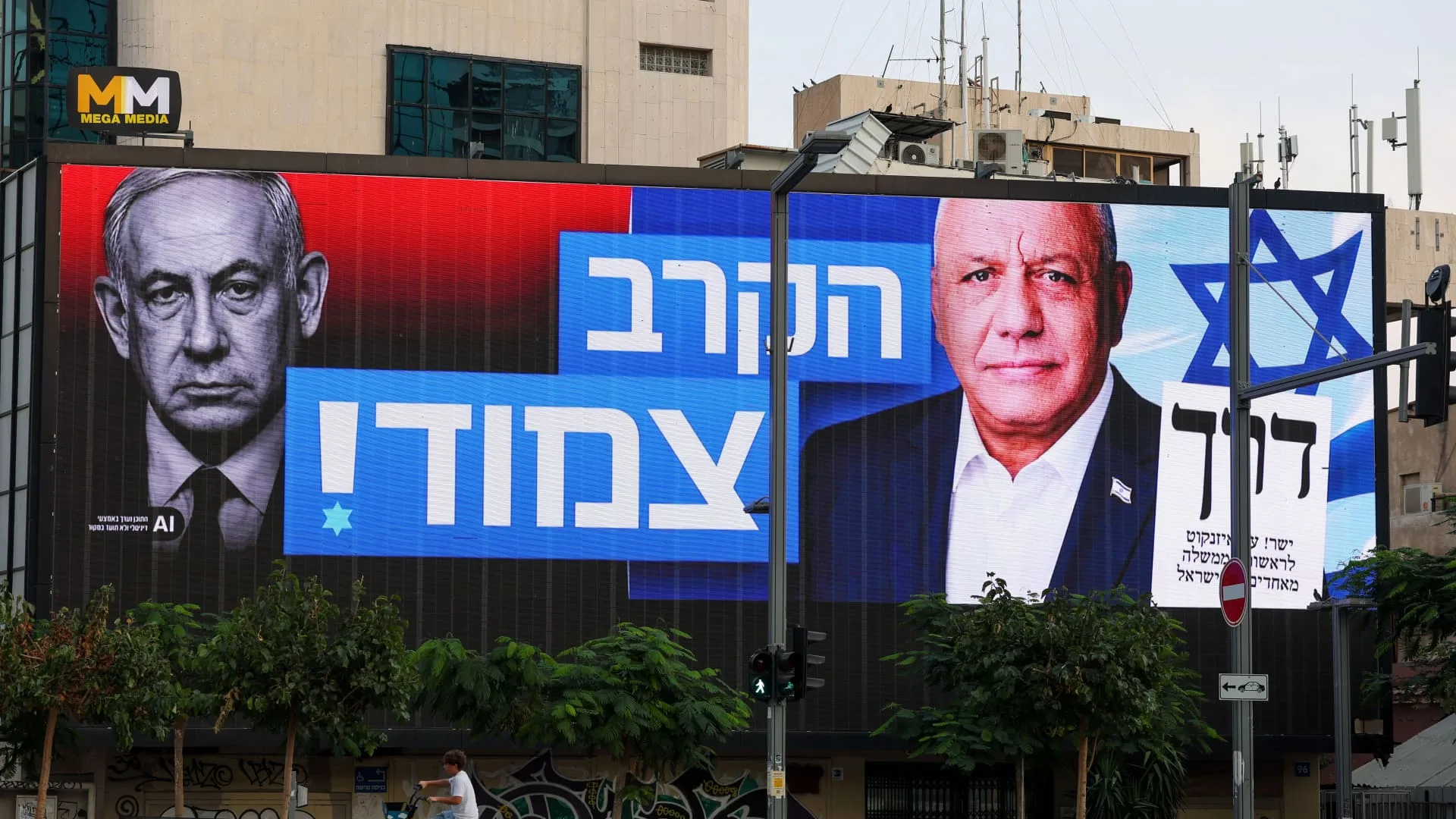
Exit polls from Israel's election have placed the opposition bloc led by Gadi Eisenkot and Benjamin Netanyahu's coalition in a dead heat, with neither side securing 61 of the Knesset's 120 seats. But the numbers conceal a more fundamental shift: Palestinian parties are projected to win 17 to 18 seats, a sharp rise from 10 seats in the previous election. The surge is no mere footnote; it is the trigger forcing the opposition to choose between negotiating with representatives of Arab Israeli citizens or opening the way for Netanyahu to hold on.
In his speech after the exit polls, Eisenkot called the result a victory for the "Zionist Israeli national majority." Parliamentary arithmetic, however, tells a different story. With the composition balanced, President Isaac Herzog holds the discretion to decide who is first asked to form a government. If the first candidate fails within six weeks, the mandate passes to the next option. During that process, Netanyahu's coalition continues to run the government as caretaker—a situation that could drag on and create policy uncertainty.
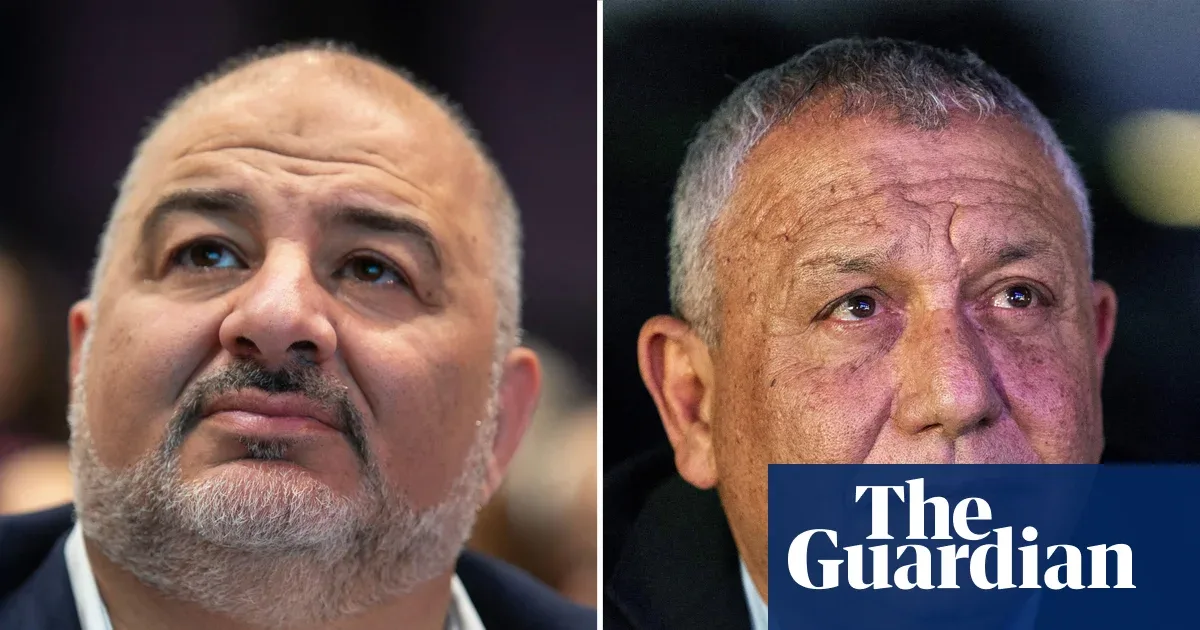
For Eisenkot, the path to a majority opens only through the negotiating table with two Palestinian forces: the Joint List and Ra'am. Ra'am, projected to win seven seats, appears more approachable. Its leader, Mansour Abbas, once joined Naftali Bennett's right-wing government—now a junior partner in Eisenkot's bloc—and has a Jewish Zionist deputy. Abbas has also stressed that his priority is to bring down Netanyahu, Bezalel Smotrich, and Itamar Ben-Gvir. Yet Ra'am's seven seats may not be enough to produce a majority, even if agreed by all members of Eisenkot's bloc.
The Joint List, with a projection of 11 seats or more, offers a larger number but with more complicated conditions. Eisenkot has set four preconditions: recognition of Israel as a Jewish and democratic state, acceptance of the values of the declaration of independence, approval of mandatory military service for Palestinian citizens of Israel who are currently exempt, and rejection of Hamas as a terrorist organization. Those conditions are likely to be a stumbling block. Amjad Shbita, secretary-general of Hadash—the largest faction in the Joint List—stressed that his side would not accept conditions set unilaterally. "Setting conditions will not work with the Joint List. We will negotiate as equals because we need each other," he said as vote counting was underway.
If negotiations with one or both Palestinian groups fail, Eisenkot still has the option of forming a minority government with vote-by-vote support. But that scenario is known to be fragile and would almost certainly trigger a new election. In such a situation, Netanyahu has an opportunity to rally support from conservative Israeli Jews and claim his campaign slogan—"Right or Palestine"—has been proven. Over three decades of his career, Netanyahu has repeatedly risen from pressure, and no one has dared rule out the possibility of him surviving again. Only this time, his comeback will depend on his political enemies choosing not to compromise.
For Indonesia, this dynamic is worth watching given Indonesia's consistent position in support of the two-state solution and the political rights of Palestinians. A change in the Knesset's composition—if confirmed—could influence the direction of Middle East policy, including the issue of normalization and humanitarian aid. However, its direct impact on bilateral relations still depends on who ultimately succeeds in forming a government. A Joint List official at a victory party in Nazareth early Wednesday summed up the dilemma: "The Zionist opposition must choose between supremacy and building democracy."
The question now is whether Eisenkot will dare to break through the deep racial divide to embrace the Palestinian forces, or instead repeat the old pattern by ignoring them. The answer to that choice will determine not only Netanyahu's future but also the direction of Israeli democracy over the next decade.