Cynthia Erivo Calls Public Obsession With Her Friendship With Ariana Grande 'Weird'
Baca dalam 60 detik
- Cynthia Erivo menilai perhatian berlebihan terhadap kedekatannya dengan Ariana Grande sebagai bentuk keanehan publik.
- Erivo mengkritik standar ganda yang menuntut perempuan menunjukkan emosi dengan takaran tertentu.
- Insiden penggemar di red carpet Singapura memperlihatkan sisi gelap budaya selebritas yang mengaburkan batas privasi.
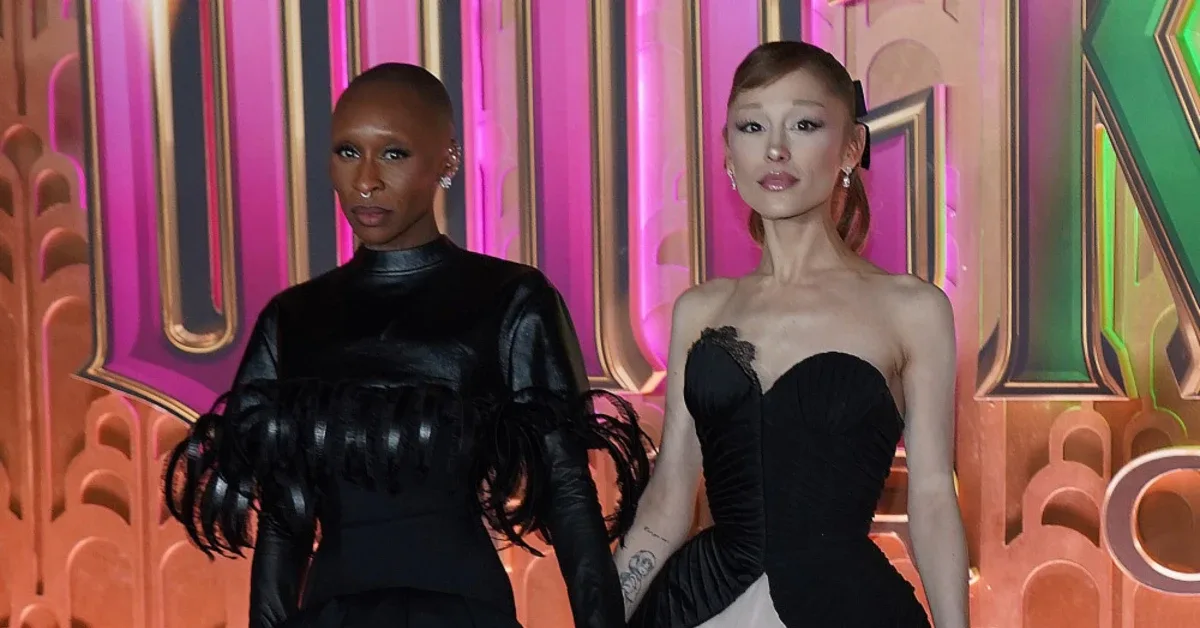
Cynthia Erivo did not expect her friendship with Ariana Grande, her co-star in the film Wicked, to become such a widely discussed topic. The 39-year-old actress sees the public scrutiny of their relationship as odd, even bordering on disturbing.
In an interview with The Guardian, Erivo expressed her bewilderment. She said many people suddenly felt entitled to analyze the relationship between two women who are simply friends. “There’s a weird annoyance at the fact that two women can actually be friends,” she said, as quoted from the interview. “As if there’s something wrong with them.”
The statement came after the promotional tour for Wicked: For Good (2025) sparked a wave of memes on social media. Erivo and Grande’s closeness on camera became fodder for jokes, as if their relationship were unnatural. Erivo sees the reaction as a form of shallow judgment.
The pressure peaked when an Australian fan broke through the red carpet in Singapore and pulled Grande’s arm for a photo. Erivo quickly moved to protect her co-star. Yet instead of receiving appreciation, she felt her humanity was reduced. “I felt my humanity was being sullied,” she said. “As if, because of how I look, people can speak casually about the humane thing I would do for any friend.”
Erivo called the incident “horrifying” and stressed that the public reaction had crossed a line. She highlighted the double standard women often face in public: show emotion and you are deemed excessive, but stay cold and you are also questioned. “It’s a double-edged sword,” she said. “I wish someone could tell me the right amount of emotion to show.”
Erivo’s criticism illustrates a broader issue about how the media and the public treat female celebrities. Friendships between artists are often subject to speculation, as if emotional intimacy must always be suspect. Yet for Erivo, solidarity between women is something natural and healthy.
In Indonesia, a similar phenomenon often occurs. Fans and social media frequently dissect relationships between celebrities, from soap opera stars to pop singers. The line between appreciation and intrusion blurs. Erivo offers an example of how excessive behavior can have a psychological impact on those who experience it.
Going forward, the entertainment industry faces the challenge of creating a space that better respects the privacy and humanity of its stars. Will the public learn to see friendship as ordinary, not as something to consume? The answer will determine a healthier climate for popular culture.