Berkshire Hathaway Shares Surge to Record High Post-Buffett, a Signal the Market Is Starting to Trust the Greg Abel Era
Baca dalam 60 detik
- Harga saham Berkshire Hathaway menyentuh level tertinggi sejak pengumuman mundurnya Warren Buffett sebagai CEO pada Mei 2025, hanya terpaut 1,4% dari rekor penutupan sepanjang masa.
- Pemulihan ini ditopang oleh pembelian kembali saham senilai US$4,5 miliar, kenaikan suku bunga jangka pendek, dan peralihan investor dari saham teknologi AI ke nama-nama ekonomi lama.
- Kepercayaan pasar terhadap kepemimpinan Greg Abel diuji lewat taruhan tak lazim pada Bending Spoons dan peningkatan kepemilikan di Alphabet, dengan laporan portofolio kuartal III yang akan menjadi katalis berikutnya.
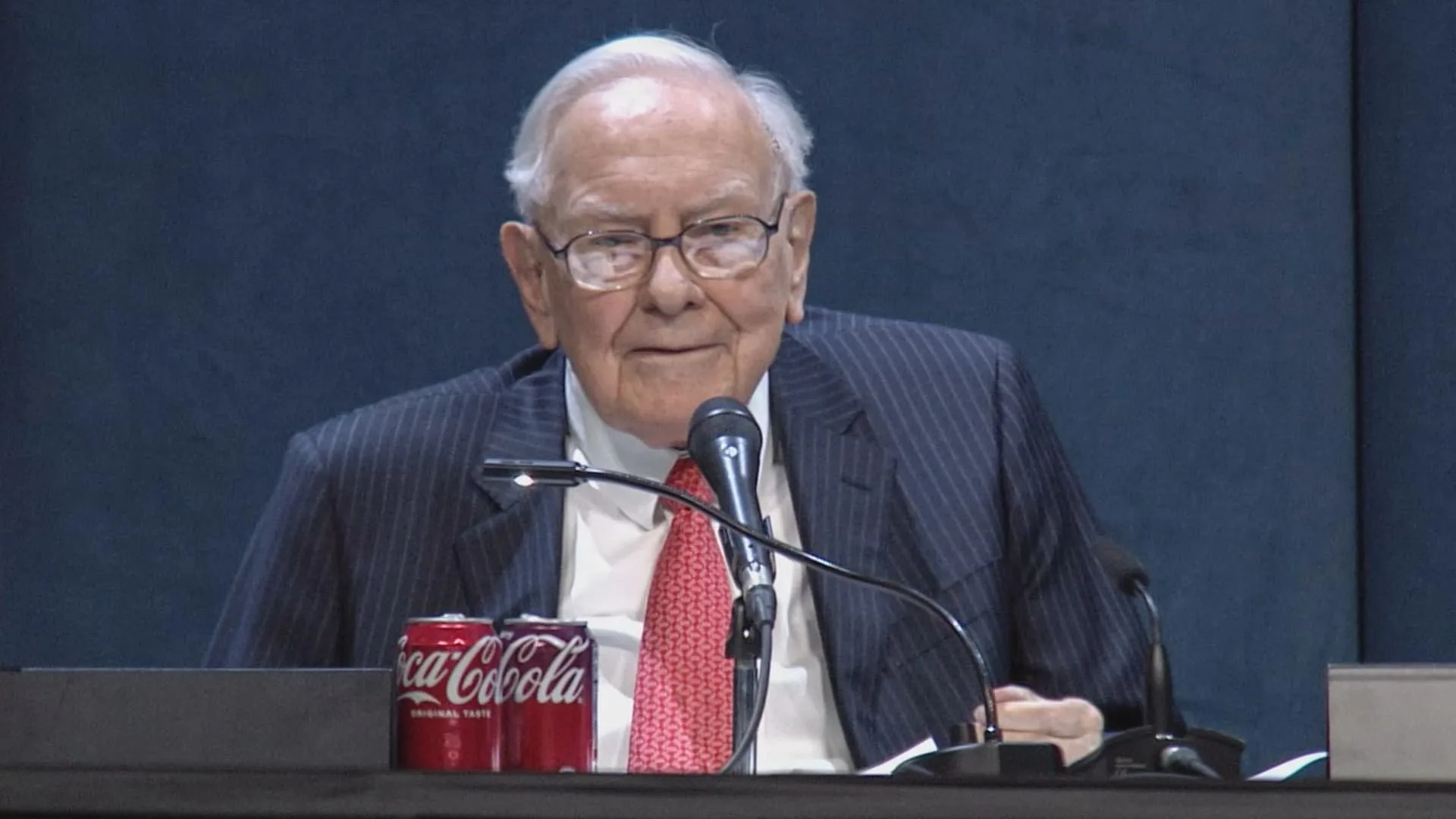
Berkshire Hathaway shares closed on Friday (16/10) at their highest level since Warren Buffett announced plans to step down from the CEO seat at the May 2025 shareholders meeting. Class A shares of the Omaha-based conglomerate ended at US$798,000, just 1.4% below the all-time closing record of US$809,350. Class B shares closed at US$532.02, also 1.4% below their historic peak of US$539.80.
The rise marks a sharp reversal from the concerns that had hit the market. Three months after Buffett's announcement, Berkshire's market capitalization eroded by more than 14% as investors doubted the durability of the "Buffett premium"—the extra value attached to the legendary figure. Yet more than a year after the August 2025 low, market confidence has gradually recovered, though the path has not been smooth.
Several structural factors underpin the rally. Keefe, Bruyette & Woods analyst Meyer Shields said higher short-term interest rates have helped lift the appeal of Berkshire shares. With roughly US$360 billion in cash, the company under CEO Greg Abel is seen as still holding to Buffett's patient stance, while higher yields allow that idle money to generate more interest income.
Beyond interest rates, operating performance also contributed. A relatively calm hurricane season benefited the insurance business lines. The rise in global oil prices also lifted the value of its US$19 billion Chevron stake, which closed Friday at a record high after jumping nearly 36% since early July. Berkshire's energy subsidiaries received a similar tailwind.
Just as important, the market is undergoing a rotation in investment style. Investors are starting to shift from richly valued technology stocks to "old economy" names. Coca-Cola, one of Buffett's favorites with a stake valued at US$37.6 billion, also closed at a record high and has risen 34% since the start of the year. Berkshire's position in Coca-Cola even grew by US$2.4 billion in the past week, overtaking Alphabet as the third-largest holding in the portfolio.
On the other hand, Greg Abel's move to take a bet on Bending Spoons—an Italian technology company that acquires established internet brands such as AOL, Evernote, and Vimeo—is a test of its own. Berkshire put in an additional US$330 million for 10 million new shares at US$33 per share, far below the market price at the time. This corporate action revealed that Berkshire had actually invested US$600 million at the time of Bending Spoons' IPO in July 2026. The total investment of about US$930 million is now worth more than US$1.4 billion, or up 55.3% on paper.
"Berkshire has been one of the best and most respected capital allocators in the world, and has long been an inspiration to Bending Spoons," Bending Spoons CEO Luca Ferrari said in a press release.
Morningstar analyst Greggory Warren said Berkshire's move into Bending Spoons and its enlarged position in Alphabet—now worth US$36 billion—shows the company is starting to step out of its comfort zone to deploy capital. For long-term investors, this is seen as a positive signal. Meanwhile, Andrew Bary of Barron's said many Berkshire shareholders want the company to invest more aggressively in stocks given its cash pile above US$350 billion, though Bending Spoons counts as a surprise because of its high valuation.
For Indonesian investors, Berkshire's dynamics mirror how the market assesses leadership transitions at large companies. Berkshire's recovering share performance also signals that disciplined cash allocation and diversification into non-technology sectors are still valued amid global volatility. However, the rally also leaves a question: how long will the rotation into "old economy" stocks last if interest rates start to fall? Berkshire's portfolio report as of September 30, due next month, will be the next test for the market in assessing the direction of Greg Abel's investments.