Zelenskyy Calls US Sanctions Delay a 'Gift' to Putin as Attacks on Ukraine's Power Plants Intensify
Baca dalam 60 detik
- Presiden Ukraina Volodymyr Zelenskyy mengecam keputusan Donald Trump menunda sanksi baru terhadap Rusia sebagai 'hadiah' bagi Vladimir Putin.
- Penundaan itu terjadi saat Moskow melancarkan serangan besar-besaran ke infrastruktur energi Ukraina, memicu kekhawatiran krisis kemanusiaan di musim dingin.
- Zelenskyy mendesak Eropa membuka jalur negosiasi sendiri dengan Moskow dan meminta Kongres AS menghidupkan kembali undang-undang sanksi yang ditunda.
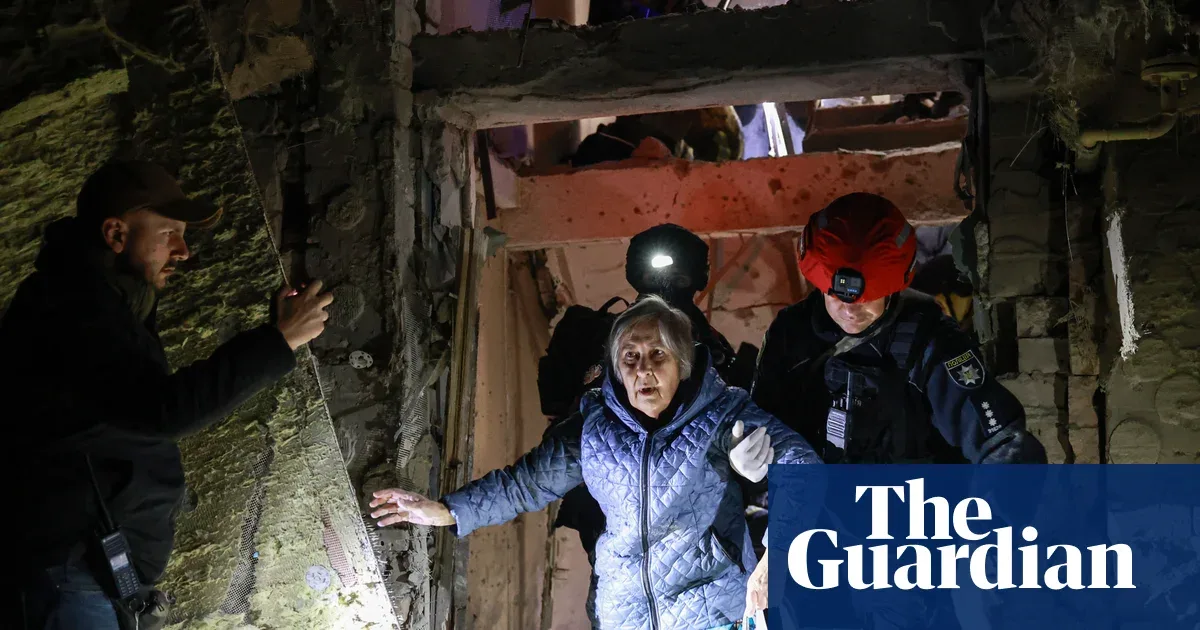
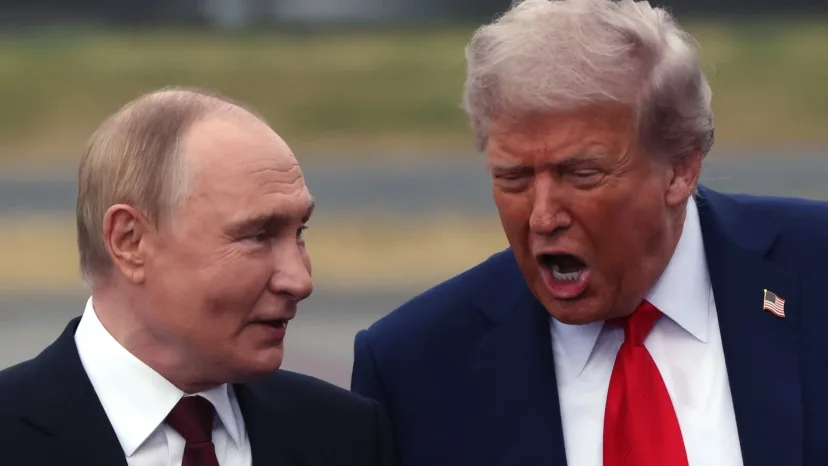
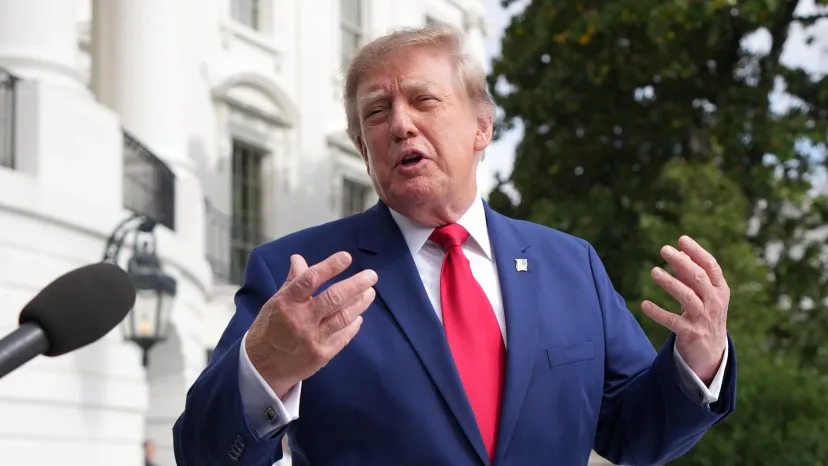
Ukrainian President Volodymyr Zelenskyy accused Washington of handing Vladimir Putin a reward by holding back a new sanctions package against Russia, just as Moscow steps up attacks on Ukraine's power plants ahead of winter. Zelenskyy made the statement on Saturday (17/10), a day after US President Donald Trump announced the delay of a sanctions bill already approved by both chambers of Congress.
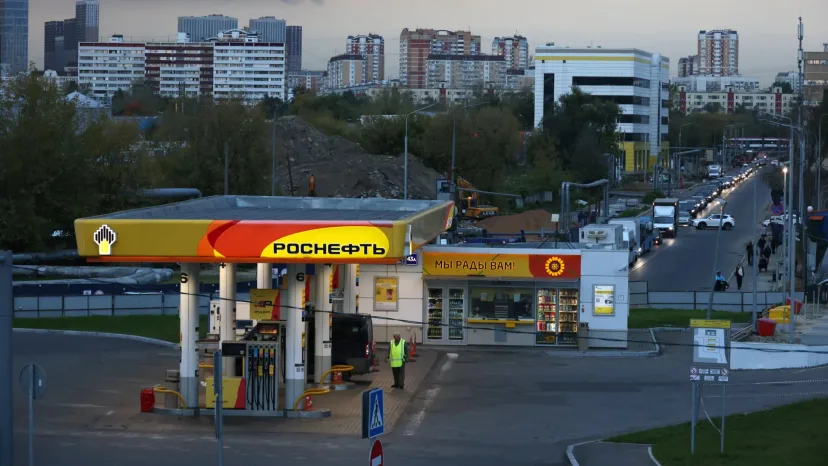
The bill, named after the late Senator Lindsey Graham, was due to take effect within two days and carried sharp measures: tariffs of up to 100% on major importers of Russian oil such as China and India, restrictions on Russia's energy sector and financial institutions, and action against the shadow tanker fleet carrying Moscow's oil supplies. Trump cited the national interest for the delay, without elaborating.
For Zelenskyy, the move is not merely a diplomatic concession but a signal that pressure on the Kremlin is being eased just as Ukraine faces the most brutal wave of attacks on its power grid. He said the latest strikes hit more than 15 vital generation and transmission facilities, causing "severe consequences" for civilians.
In a statement on social media, Zelenskyy stressed that easing sanctions would only strengthen Putin's resolve to continue the war. "Unfortunately, the lifting of sanctions will continue, and I am sure the 'diesel deal' is the first step," he said, referring to US purchases of Russian fuel. He added that Putin "feels pleased and happy" about the support.
"We very much hope—and personally I hope—that the President of the United States will do everything so that Putin stops the killing, stops the attacks on our energy infrastructure, and stops this war. But again, you cannot achieve that by limiting Ukraine's response to a Russia that is killing our people. Let alone by lifting sanctions." — Volodymyr Zelenskyy
Zelenskyy's stance was reinforced by Russia's special envoy, Kirill Dmitriev, who welcomed the delay. Dmitriev called Trump's move a "significant and truly historic moment" on social media. The contrasting responses show how US policy has become the pivot of a narrative battle in a conflict that has lasted more than three years.
Beyond sanctions, Zelenskyy revealed that the military version of Starlink terminals used by Ukrainian forces is still restricted in its functions. The device disconnects from the network when vehicles travel above 161 km/h, disrupting drone operations. The Ukrainian government, he said, found that the restriction applies only on Ukrainian territory, while in EU countries the same device works normally at speeds above 180 km/h. "The conclusion is clear: this is a planned operation," he said.
Pressure on Ukraine does not come only from the sanctions delay. Throughout this week, the US several times withheld intelligence about incoming ballistic missile attacks, and the White House reportedly ordered the Pentagon to slow military Starlink services. Trump also demanded that Ukraine stop attacks on Russian oil refineries, arguing that the war in Ukraine—not the closure of the Strait of Hormuz—is what has driven global diesel prices up. Ukraine briefly halted the strikes after Trump declared an "energy ceasefire," but resumed them when Russia instead stepped up attacks on power plants.
In the Indonesian context, these dynamics affect energy prices and global supply stability. As a subsidized oil importer, Indonesia is vulnerable to swings in world diesel prices driven by a protracted conflict. Easing US sanctions on Russia could add oil supply to the global market, but on the other hand prolongs geopolitical uncertainty that makes investors cautious. Indonesia's free-and-active foreign policy is also being tested: will Jakarta seize the opportunity for alternative energy supplies from Russia, or continue to follow pressure from Western countries?
Zelenskyy also called on Europe to build its own negotiating track with Moscow, given that the US under Trump is moving closer to business deals with the Kremlin. The call reflects concern that Washington is no longer the guarantor of European security it once was. EU countries now face a difficult choice: strengthen sanctions on their own or follow the US's easing tempo.
With Ukraine's air-defense stocks running low and the intensity of Russian attacks unabated, Kyiv's ability to keep its power grid running into winter is at stake. The question is whether the US Congress will revive the delayed sanctions bill, or simply let pressure on the Kremlin ease altogether.