US Budget Deficit Hits Rp31,000 Trillion, a Warning Signal for the Global Economy
Baca dalam 60 detik
- Defisit fiskal Amerika Serikat mencapai 1,992 triliun dolar AS pada tahun fiskal 2026, melonjak 12 persen dari periode sebelumnya dan menjadi yang terburuk ketiga sepanjang sejarah.
- Belanja jaminan sosial dan Medicare menyumbang porsi terbesar, sementara pendapatan dari bea masuk terpangkas refund pasca-putusan Mahkamah Agung.
- Membengkaknya utang pemerintah AS berpotensi menekan imbal hasil obligasi global, memicu arus modal keluar dari negara berkembang, dan mempersempit ruang fiskal Indonesia.
The United States government closed fiscal year 2026 with a budget deficit of nearly 2 trillion US dollars, precisely 1.992 trillion US dollars, according to a Treasury Department report released Friday. The figure rose about 12 percent from the previous fiscal year's deficit of 1.775 trillion US dollars, marking the 25th consecutive year Washington has operated in the red. The last time the US recorded a surplus was in 2001.
This is the third-largest deficit in the history of Uncle Sam's country, behind only 2020 and 2021, when the Covid-19 pandemic forced the government to pour out trillions of dollars in stimulus. What sets it apart is that this time there is no health crisis triggering emergency spending. Both revenue and spending hit record highs, but the pace of spending far outpaced revenue growth.
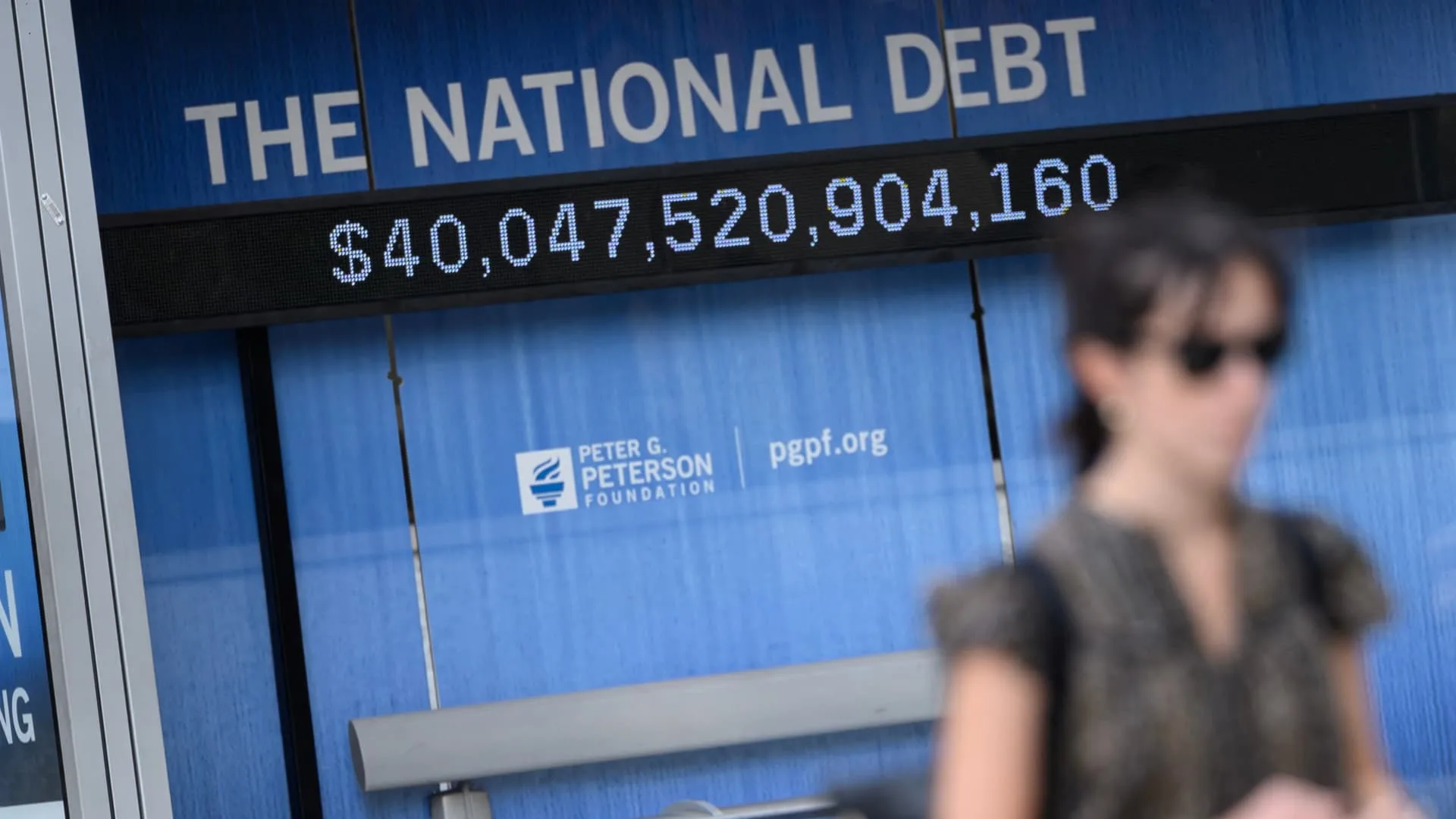
This fiscal pressure has shaken the bond market. Last week, yields on 10-year and 30-year US Treasuries touched their highest level in 24 years, reflecting traders' concerns about the sustainability of the superpower's debt. Total US public debt now exceeds 40 trillion US dollars, more than double what it was a decade ago.
On the spending side, the Social Security program consumed nearly 1.7 trillion US dollars, a moderate increase from about 1.6 trillion US dollars in 2025. Medicare followed at nearly 1.1 trillion US dollars, surging from below 1 trillion US dollars previously. Net interest on debt, calculated as gross interest minus interest received, also breached 1 trillion US dollars. Throughout fiscal year 2026, the US government paid more than 1.3 trillion US dollars in interest on its public debt.
On the revenue side, individual income taxes contributed more than 2.8 trillion US dollars, up about 7 percent year-on-year. However, corporate income taxes brought in only 381 billion US dollars, down about 70 billion US dollars from fiscal year 2025. The decline stems from tax cuts contained in the One Big Beautiful Bill Act legislative package passed by Congress last year.
The tariff policy proposed by President Donald Trump to plug the deficit has not gone entirely smoothly. Although gross customs receipts hit a record, total revenue from this line was eroded by refund obligations after the Supreme Court ruled many of those tariffs unconstitutional. Billions of dollars in refunds had to be channeled back to retailers.
Treasury Secretary Scott Bessent told CNBC in August that the US could "grow out of" its pile of debt. "Our message to allies and trading partners is that global growth is the way to address this mountain of debt," he said.
The report also recorded a September monthly deficit of 27 billion US dollars, reversing from a surplus of 198 billion US dollars in the same month last year. The figure reinforces the picture that the US fiscal position is increasingly fragile ahead of the election year.
Indonesian Context
For Indonesia, the ballooning US deficit is not merely news from far across the ocean. US bond yields that have surged to their highest level in two decades tend to pull global capital back into dollar assets, pressuring the rupiah exchange rate and widening the yield spread on government securities (SBN). If US Treasury yields continue to rise, the Indonesian government's borrowing costs in international markets could also increase, while Bank Indonesia faces a dilemma between holding interest rates steady for exchange-rate stability or cutting them to spur growth.
In addition, uncertainty over US tariff policy could disrupt Indonesia's export flows, especially commodities and manufactured products that have long enjoyed access to the American market. Tariff refunds returned to US retailers show that protectionist policy also faces legal hurdles, creating uncertainty for businesses in trading partner countries.
Going forward, the big question is whether Washington can brake its spending pace or instead gets trapped in an ever-deepening debt spiral. For global investors, including those in Indonesia, signals from the US bond market will be an important barometer for gauging risk and setting asset allocation strategies in the coming quarters.