New York Pumpkin Farmer Rakes In Rp31 Billion in Seven Weeks, Proof Seasonal Business Still Pays
Baca dalam 60 detik
- The Great Pumpkin Farm di Clarence, New York, mencatat pendapatan tahunan US$2 juta meski hanya beroperasi tujuh minggu setiap musim gugur.
- Model bisnis atraksi berbasis tiket masuk dan wahana berhasil mengubah lahan pertanian menjadi destinasi wisata musiman yang diminati lebih dari 100.000 pengunjung.
- Kenaikan biaya bahan bakar dan operasional menjadi tantangan yang diperkirakan menekan laba bersih pada 2026, meski pendapatan tetap stabil.
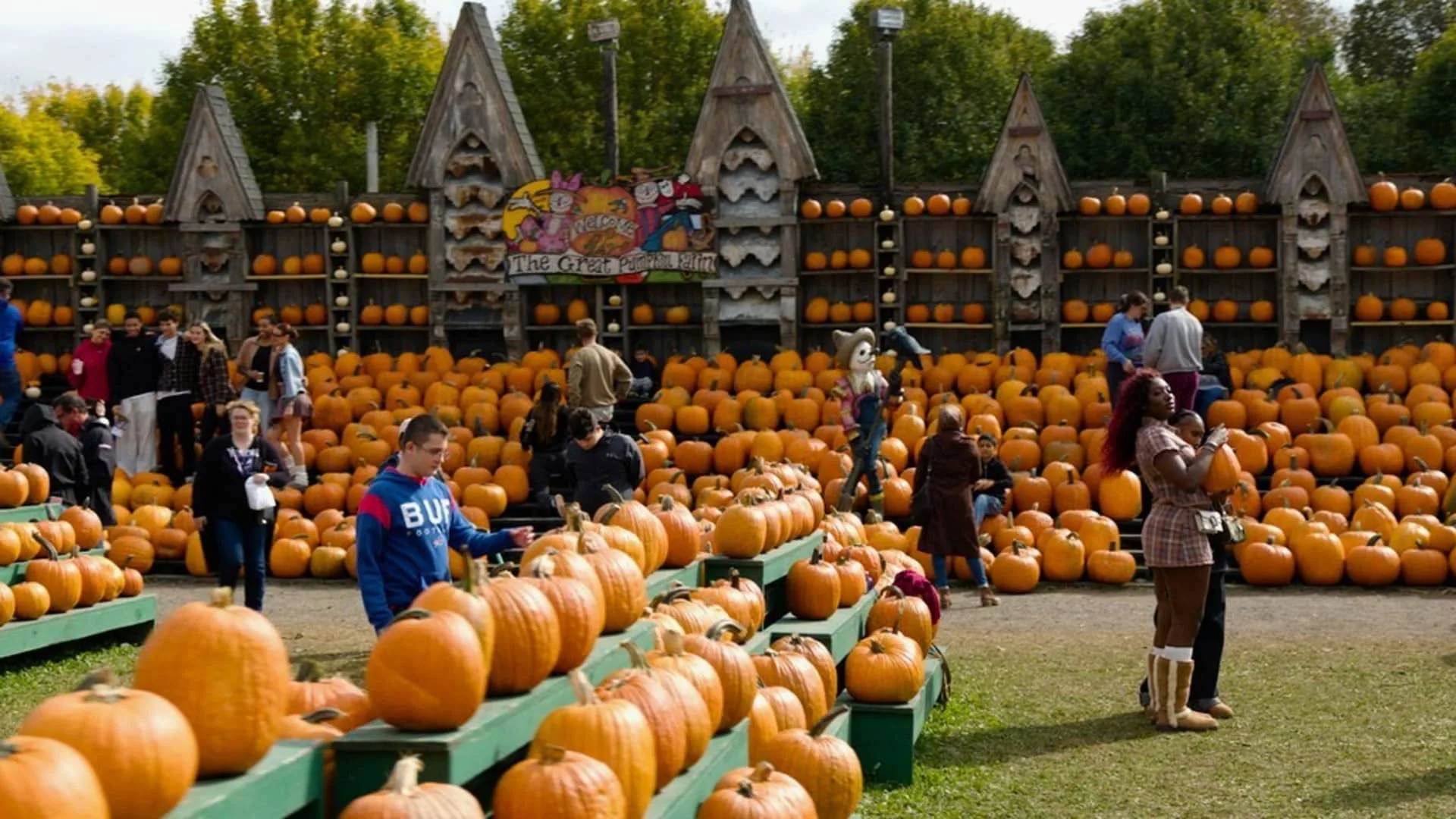
Kelly Schultz, 74, proves that farmland can be an efficient money machine. The Great Pumpkin Farm in Clarence, New York—about 15 miles northeast of Buffalo—took in US$2 million (around Rp31 billion) in 2025, even though its gates open for only seven weeks a year. The figure comes from documents reviewed by CNBC Make It and underscores that the seasonal economy in the United States still holds strong appeal.
The story began in 1993, when Schultz—then an antiques dealer—decided to buy an 85-acre cattle farm next to her store. She paid about US$650,000. “Everyone laughed at me,” she recalled. With no farming experience, she learned from local farmers and opened The Great Pumpkin Farm in 1996. But what put the name on the map was not ordinary pumpkins; it was a giant pumpkin contest. Schultz staged the World Pumpkin Weigh-Off and offered a US$50,000 prize to anyone who could bring a 1,000-pound pumpkin. That same year, a 1,061-pound pumpkin broke the world record, and international media coverage poured in. “It put us on the map right away,” she said.
Today, the farm no longer relies on its own harvest. Schultz buys most of her pumpkins from nearby farmers to meet demand—more than 25,000 a year. What she sells is an experience: a US$20 weekend ticket per person (valid for two days) opens access to attractions ranging from a pumpkin-themed train and a giant corn maze to pie-eating contests and live magic and music shows. On weekdays, visitors pay no admission and can enjoy a quieter atmosphere, buy pumpkins, or visit a mini zoo.
For Schultz, the business is not just about pumpkins. She employs more than 100 seasonal workers to handle operations, from driving tractors to serving pumpkin donuts. Still, she acknowledges that rising fuel costs are a heavy burden. “It takes a lot of gallons of fuel” to maintain the land and run tractors, she said. Reluctant to raise ticket prices, she expects 2026 profit to be “a little lower” than the previous year. “The business is profitable, but we usually reinvest most of the revenue,” she said.
Even so, the long-term outlook remains bright. A National Retail Federation survey in September 2026 projected US Halloween-related spending at US$13.5 billion, with 74% of respondents celebrating and 42% of them planning to carve pumpkins. Schultz herself owns about 300 acres of surrounding land, leaving room for expansion. Every year, she tries to add “something new, fun, or improve what’s already there.” Now her son Ben, 45, has helped run the farm and the antiques business for the past 25 years. “I’m happy to be part of this,” Ben said. Schultz’s grandchildren are starting to get involved too. “I believe this pumpkin farm will be a business that crosses generations,” she added.
After Halloween ends, all the attractions are dismantled, the animals are returned to their home farms, and leftover pumpkins are collected by pig farmers for feed. Cleaning up the property takes about a month, and around 20 permanent staff maintain the buildings and land. Schultz and her family go back to selling antiques until the next fall. Amid cost pressures and economic uncertainty, the story of The Great Pumpkin Farm shows that creativity in packaging an experience can be the key to high revenue—even from land that is “alive” for only a month and a half. The question is how long a seasonal business model like this can last if energy costs keep creeping up.