NASCAR's Secret Trade War Heats Up: JGR Alleges Gabehart Still Had Data Access Through June
Baca dalam 60 detik
- Joe Gibbs Racing melayangkan tuduhan baru bahwa Chris Gabehart masih memiliki akses ke informasi perusahaan hingga Juni 2025, memperpanjang sengketa dagang rahasia yang sudah bergulir sejak Februari.
- Dalam sidang penemuan di Charlotte, hakim magistrat David Keesler mendesak kejelasan daftar rahasia dagang yang diperkarakan, sementara Spire Motorsports menuntut agar JGR berhenti menambah tuduhan baru menjelang persidangan.
- Toyota dan Hendrick Motorsports terseret sebagai pihak ketiga, dengan Hendrick meminta perlindungan data kompetitifnya, sementara keputusan pengadilan dijadwalkan paling lambat Senin depan.
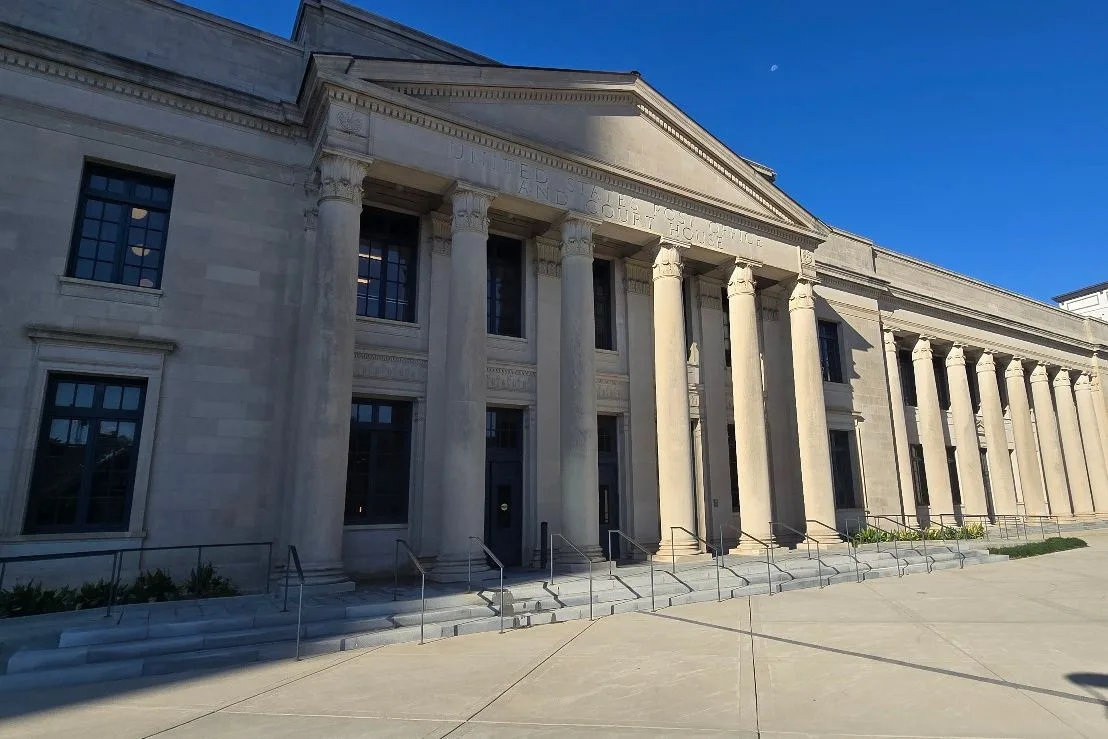
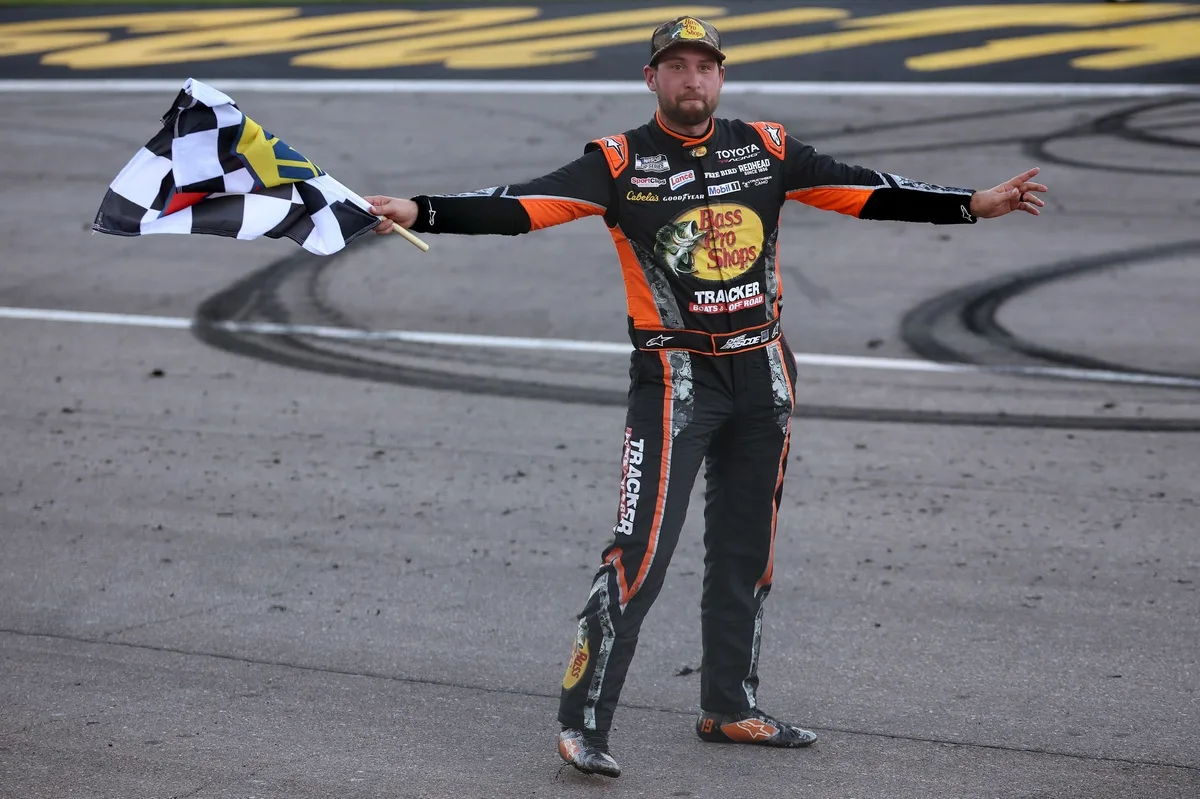
Joe Gibbs Racing (JGR) has again bolstered its lawsuit against former competition director Chris Gabehart and Spire Motorsports with a new allegation: Gabehart is said to have still had access to confidential JGR information through June 2025, long after he left the team. The claim surfaced during a discovery hearing at the Charles R. Jonas Federal Building on Thursday (local time), before magistrate judge David C. Keesler.
The hearing itself is part of a lawsuit JGR filed in mid-February, with a jury trial scheduled for February 1 next year—less than a year after the case was first filed. Both defendants, Gabehart and Spire, have also filed counterclaims, further complicating the legal process. All parties agreed to expedite resolution before the 2027 NASCAR Cup Series season begins, so preparation and fact-finding must be rushed through this summer.
At the hearing, JGR attorney Chad B. Walker asserted that Gabehart still kept JGR data on his personal devices through June. Gabehart, however, claims he handed over all that information last December after undergoing a digital forensic analysis. Judge Susan C. Rodriguez had previously issued a temporary restraining order in March and a preliminary injunction in April requiring Gabehart to return all JGR files. Yet at least one JGR file was found on a computer provided by Spire—which Gabehart had used before it was withdrawn in the spring. Since then, Gabehart has worked without a company computer, email address, or access to Spire's servers.
Gabehart's credibility is under scrutiny. Judge Rodriguez even expressed 'concern' over the possible use of proprietary information in his role as Chief Motorsports Officer at Spire this season. Still, JGR has not submitted concrete evidence that the data actually leaked into Spire's car setups—the crux of the hearing and Thursday's discovery motion.
On the other side, Spire and Gabehart are pressing JGR to promptly specify which trade secrets are at issue. Spire attorney Lawrence J. Cameron complained that JGR keeps citing new examples every week, and asked for a court order requiring JGR to set a definitive list of the trade secrets being sued over. According to him, piling up new allegations ahead of trial will harm his client. Meanwhile, JGR attorney Tory Ian Summey insisted that his side is still finding new examples every day, including the data access through June.
Judge Keesler at one point asked, 'When does everybody know what this case is about?' Summey replied that the expedited trial process makes this procedure unusual. Another Spire attorney, Troy C. Homesley, even quipped that JGR might claim anything in Gabehart's 'brain' as a trade secret—an argument he had made at an earlier hearing, that JGR cannot expect Gabehart to undergo a lobotomy to forget two decades of racing experience.
Spire is also demanding access to the full OEM agreement between JGR and Toyota. They want to determine whether certain proprietary information actually belongs to Toyota, not JGR, and therefore falls outside this case. The move is also meant to dismantle JGR's damages claims ahead of trial. Gabehart's attorney, Anna Claire Tucker, asserted that the information is not a trade secret because Toyota Racing Development (TRD) has similar agreements with Legacy Motor Club and 23XI Racing. Toyota and JGR are currently refusing the request, and the court plans to rule no later than Monday.
Toyota attorney Nathaniel James Pencook said he was willing to provide part of the OEM agreement, but not all of it, to protect proprietary information. He also complained about the heavy burden of turning over 2,000 documents containing the names of Toyota executives such as president Tyler Gibbs, general manager Jack Irving, and engineering manager Slugger Labbe. Tucker rejected that reasoning, arguing that 2,000 findings actually show how relevant the communications are. Pencook also read an excerpt from Coach Joe Gibbs's deposition stating he only contacted Tyler Gibbs (no family relation) as a 'form of professional courtesy,' not to seek Toyota's blessing to sue.
To strengthen its claims, JGR asked the court to force Spire to hand over 2025 and 2026 car setups. Judge Keesler questioned, 'Doesn't this feel very intrusive?' JGR is also demanding notes and recordings from various competition meetings, driver debriefs, or crew chief meetings. Spire turned over notes from only one meeting and said other recordings do not exist. JGR wants up to seven additional hours of deposition time for key witnesses.
Walker asserted his client will hand over 2025 setups if Spire hands over 2025 and 2026 setups. Cameron refused because the request is 'overly broad' and expensive, and could push the trial past February 1. Spire is also reluctant to hand over 2026 setups amid this season's title fight, with both teams having cars in the playoff round. Judge Keesler must decide this no later than Monday.
Hendrick Motorsports emerged as an interested third party. Its attorney, C. Bailey King Jr., said, 'Hendrick shares a manufacturer with Spire, so our interest is protecting our proprietary information.' Most of Hendrick's concerns have been resolved through negotiation. JGR withdrew its effort to obtain communications containing Hendrick proprietary information, and agreed to give Hendrick a chance to review and redact files before they are handed to JGR's attorneys.
With the trial date drawing closer, the big question: will the court be able to force all parties to specify the trade secrets at issue before time runs out? If not, the February trial risks becoming a drawn-out legal battle, while NASCAR prepares to welcome the 2027 season.