Gus Kikin Speaks Out: PBNU 2026-2031 Has Met Prabowo, Focuses on Preserving Unity
Baca dalam 60 detik
- Ketua Umum PBNU terpilih, KH Abdul Hakim Mahfudz, memastikan jajaran pengurus periode 2026-2031 telah melakukan pertemuan dengan Presiden Prabowo Subianto.
- Pertemuan itu tidak membahas agenda khusus, melainkan menegaskan komitmen organisasi untuk merawat kohesi sosial di tengah dinamika politik nasional.
- Pelantikan kepengurusan baru dijadwalkan bertepatan dengan Hari Santri Nasional, meski lokasi dan tanggal pastinya masih dalam pembahasan internal.
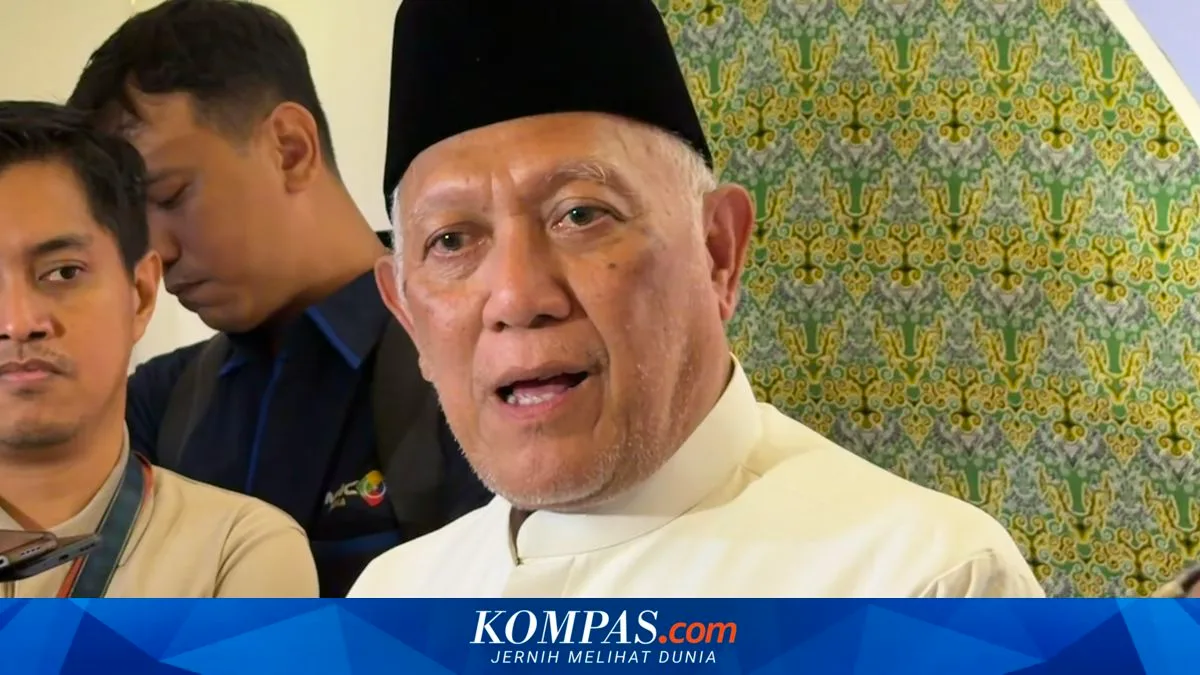
The leadership of the Nahdlatul Ulama Central Board (PBNU) for the 2026–2031 term has officially confirmed that it held a meeting with President Prabowo Subianto. The confirmation was delivered directly by the elected PBNU chairman, KH Abdul Hakim Mahfudz—better known as Gus Kikin—after announcing the new leadership lineup in Jakarta on Wednesday (30/9/2026).
According to Gus Kikin, the meeting contained no specific instructions or messages from the head of state. However, he stressed that the discussion centered on efforts to strengthen national unity. "There was nothing specific in the President's message. We are indeed building unity, and that is what we will do," he said, as quoted from a press statement.
The statement is an important signal for the national political landscape. PBNU is Indonesia's largest religious organization, with a broad mass base spread mainly across East Java, Central Java, and several other provinces. NU's support or political distance is often a variable factored into every government cycle. The meeting, therefore, was not merely an ordinary social gathering but part of the consolidation of socio-political forces at the start of Prabowo's leadership term.
Gus Kikin also said the inauguration of the new leadership would be held on National Santri Day. He has not, however, confirmed the exact date and venue. "It has not been decided. It will likely still be in Jakarta, and we will focus more on how to work together with the pesantren," he said.
"We are indeed building unity and yes, that is what we will do later." — KH Abdul Hakim Mahfudz (Gus Kikin)
The statement underscores PBNU's orientation to place pesantren as the main node of a social movement, not merely a religious base. In recent years, pesantren have shifted into centers of economic empowerment, vocational education, and even digitalization. The President's involvement in this meeting shows that the government is seeking to embrace the strength of pesantren as a development partner, especially in areas with limited infrastructure.
Politically, PBNU's move to openly confirm the meeting can be read as an effort to maintain the organization's bargaining position. NU has historically never been fully a wing of any party, yet it has always wielded great influence in shaping public policy that touches the faithful. The meeting with Prabowo, without a specific agenda, actually gives PBNU room to remain autonomous while reaffirming its closeness to the government.
What bears watching is that an inauguration coinciding with National Santri Day could become a stage for symbolic consolidation. That moment is usually used to affirm the contribution of santri in the nation's history. If the inauguration is held in Jakarta with pesantren representatives from various regions, the message is clear: PBNU wants to project itself as a force integrated with the national agenda, not merely a religious organization.
Going forward, the public will be waiting to see whether the meeting leads to concrete cooperation—for instance, in pesantren empowerment programs, strengthening religious education, or addressing socio-economic issues in NU's base areas. Without measurable follow-up, such a meeting risks being read as mere political formality. Conversely, if it is followed by policies favorable to pesantren, PBNU's position as a strategic partner of the government will become increasingly difficult to replace.