US Senator Blocks Memorial Protection Bill, Kennedy Center on the Brink of Demolition?
Baca dalam 60 detik
- Senator Mike Lee menggagalkan RUU bipartisan yang melarang pembongkaran monumen presiden tanpa persetujuan Kongres.
- Langkah ini memperpanjang sengketa hukum antara Gedung Putih dan Kongres terkait kendali atas Kennedy Center.
- Ketegangan menimbulkan pertanyaan tentang batas kekuasaan eksekutif dan masa depan pusat seni ikonik Amerika.
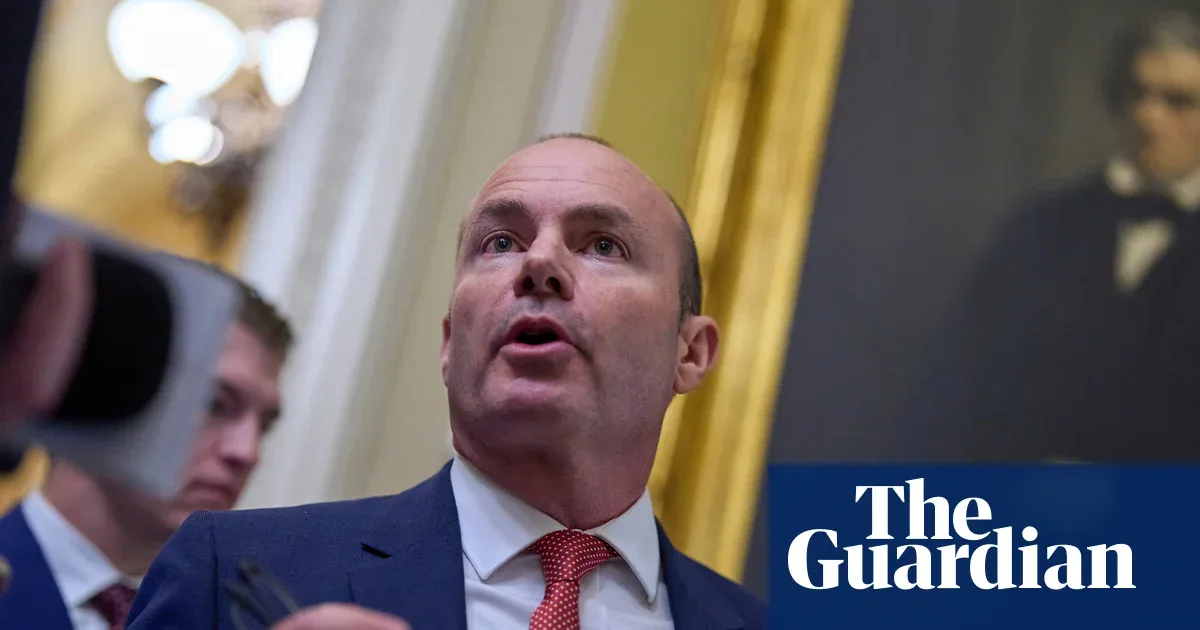
Republican Senator Mike Lee of Utah blocked a bipartisan effort to protect presidential memorials from demolition without congressional approval on Monday night (28/9). The rejection adds a new chapter to the legal drama between President Donald Trump and parliament over the fate of the Kennedy Center, the prestigious performing arts center in Washington DC.
The Protecting Presidential Memorials Act, co-written by Senator Lisa Murkowski of Alaska, would essentially prohibit the demolition of memorials designated by Congress—including the Lincoln Memorial and Jefferson Memorial—unless there is explicit approval from the legislature. However, when Senator Jeff Merkley of Oregon requested unanimous consent, Lee immediately raised an objection. "First, he destroys its programming, and now he wants to destroy his own building," Merkley wrote in his statement, accusing Trump of wanting to stamp his name on the building. Merkley called the president's threat a "classic authoritarian tactic".
Murkowski, who chairs the appropriations subcommittee that funds the Kennedy Center, emphasized last week that Congress had authorized and funded a major renovation, but "what is not authorized is the demolition of the Kennedy Center". The statement confirms that the demolition plan has no clear legal basis.
The conflict began when Trump took control of the Kennedy Center shortly after returning to office. He purged the board of trustees and replaced it with his allies, while attacking programming he deemed "woke". Trump's handpicked board decided last December to rename the venue the Trump-Kennedy Center, but in May, federal judge Christopher Cooper ruled the change illegal and halted a two-year closure plan. On 15 September, Cooper again rejected a second attempt to add Trump's name, and the president threatened not to proceed with the US$257 million renovation if the ruling was not changed.
In August, Justice Department lawyers warned in court that the building could deteriorate to the point of needing demolition, and proposed an outdoor amphitheater as a replacement. Since then, a judge has ordered 30 days' notice before any demolition plan, and Kennedy Center leadership has told the court that the building will remain standing.
"Democrats should join us to lower the cost of living and secure American elections, not waste Senate time with partisan scare tactics they didn't even try to advance through the proper committee process," Lee told The Guardian.
Lee's move is no surprise. Since 2020, he has been known as a close Trump ally and supported efforts to overturn that year's election results. Recently, he has aggressively pushed the Trump-backed Save Act—which would impose voter ID requirements and proof of citizenship—to the Senate floor, even urging Trump in April to force lawmakers back to Washington to end a partial government shutdown and pass the bill.
For Indonesia, this polemic mirrors how strong executive power can collide with legislative and judicial boundaries. When a president seeks to stamp his legacy on public institutions, the question is not only about a name, but also how far checks and balances can hold back such ambition. The business world and global investors are certainly watching US political stability, because tensions like this can affect the policy climate and the federal budget.
Going forward, will Congress seek another route to protect presidential memorials, or simply let the president determine the fate of public assets? Meanwhile, the Kennedy Center remains standing—for now—but the shadow of demolition has not fully lifted.