Autumn at Teifi Marshes: A Burst of Wild Fruit and an Increasingly Rare Symphony of Nature
Baca dalam 60 detik
- Kawasan Rawa Teifi di Wales memasuki puncak musim gugur dengan hasil buah liar melimpah, dari blackberry hingga sloe yang siap panen.
- Perubahan lanskap dan kehadiran satwa seperti weasel dan burung dunlin menandakan ritme ekologis yang tetap terjaga di tengah tekanan pembangunan.
- Konservasi lahan basah seperti ini menjadi cermin bagi Indonesia dalam mengelola ekosistem gambut dan pesisir yang menghadapi ancaman serupa.
A walk along the banks of the River Teifi in Cardigan, Wales, reveals a scene that is rarely presented: trees beginning to change color, while wild fruits thrive among the dense reeds. This second visit in recent weeks came after heavy rain thwarted the previous expedition, leaving a curiosity that had to be satisfied.
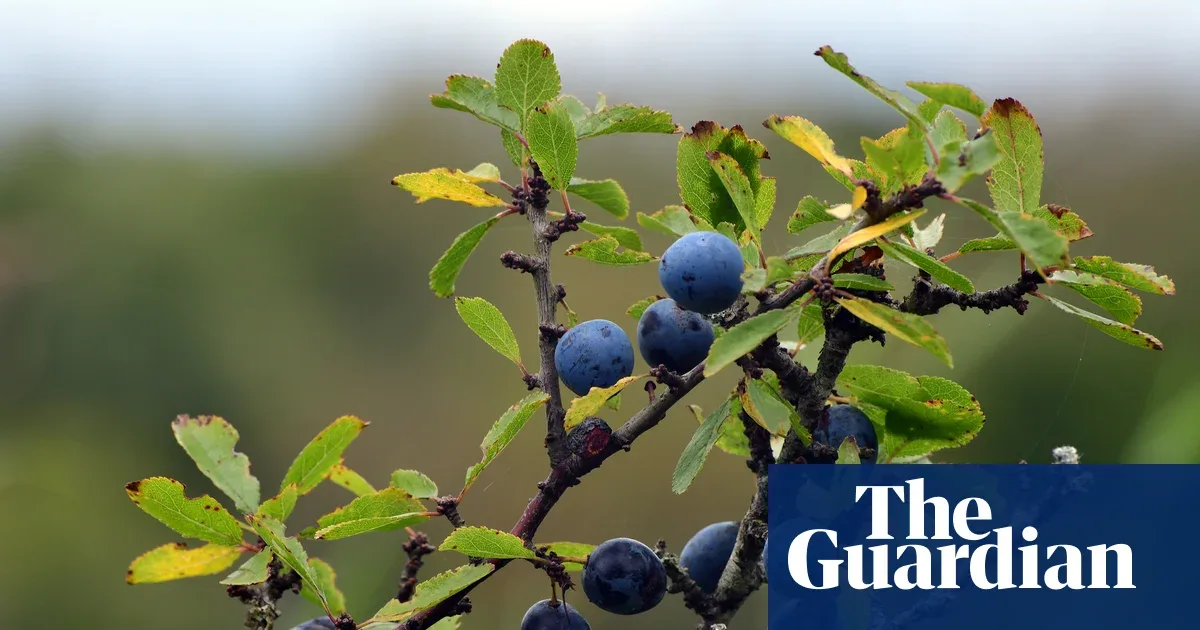
The route starts from the sea side, crossing the bridge over the Teifi and heading upstream past the long-lost Cardigan Railway Station. This path follows the former railway line, but occasionally diverges onto wooden boardwalks that cut through the expanse of marsh. There, the wind rustling among the reeds creates an organic static that drowns out the noise of the distant highway. Shrubs and small trees along the marsh edge show an abundant autumn yield: blackberries are nearly gone, while sloes—the fruit commonly used to make alcoholic drinks—look plump and ripe, promising winter warmth.
On the main path, a weasel—small, elongated body with brown fur—darted quickly in front, just as the sun broke through the gray clouds. The new shadows forced the gaze upward toward the valley covered in deciduous trees. Several bare crowns of ash trees believed to have died stand like skeletons, waiting for winter storms. This scene underscores the dynamics of an ever-changing ecosystem, in which the death of one tree species becomes part of the marsh's life cycle.
The Afon Teifi at this point is tidal. About an hour after high tide, the water level in the tributary begins to drop, revealing freshly washed mud. At the water's edge, a pair of dunlins forage with short bills and jerky movements, while the ducks nearby appear more relaxed. A previous visit had caught a glimpse of a kingfisher, but today the bird was absent—as was the heron that was hoped to be photographed better. That hope is stored for the next visit.
For readers in Indonesia, the Teifi Marshes landscape is not merely a portrait of a foreign natural setting. Wetland areas in Indonesia, especially peatlands and coastal zones, face similar pressures: land conversion, climate change, and pollution. The Teifi story serves as a reminder that conservation is not only about protecting charismatic species, but also about maintaining the seasonal rhythms that sustain life—from wild fruits that feed wildlife to migratory birds that stop by. In Indonesia, peatland and mangrove restoration programs have a similar logic: preserving ecological functions that are often left out of economic calculations.
"This second visit teaches that nature is never truly the same. Each change of season brings a new story, and the absence of one species can be a sign of a larger shift," was the reflection that emerged from this journey.
Going forward, the question is how long areas like Teifi can maintain their ecological pulse amid the pressures of development and increasingly unpredictable climate. Is Indonesia ready to make its wetlands a conservation priority, not merely an object of exploitation? Time—and policy—will decide.