Trump Stirs Wall Street Again: 1,156 Stock Trades in July, Sold Microsoft-Amazon Worth Up to Rp400 Billion
Baca dalam 60 detik
- Presiden AS Donald Trump melaporkan 1.156 transaksi sekuritas sepanjang Juli dengan nilai total mencapai US$270 juta, termasuk penjualan saham Microsoft dan Amazon masing-masing hingga US$25 juta.
- Aktivitas perdagangan masif ini memicu pertanyaan etika karena terjadi di tengah kebijakan yang berdampak langsung pada perusahaan-perusahaan tersebut, seperti kontrak pertahanan dan regulasi teknologi.
- Transparansi portofolio Trump menjadi sorotan global, termasuk bagi investor Indonesia yang perlu mencermati potensi konflik kepentingan dan dampaknya pada pasar keuangan internasional.
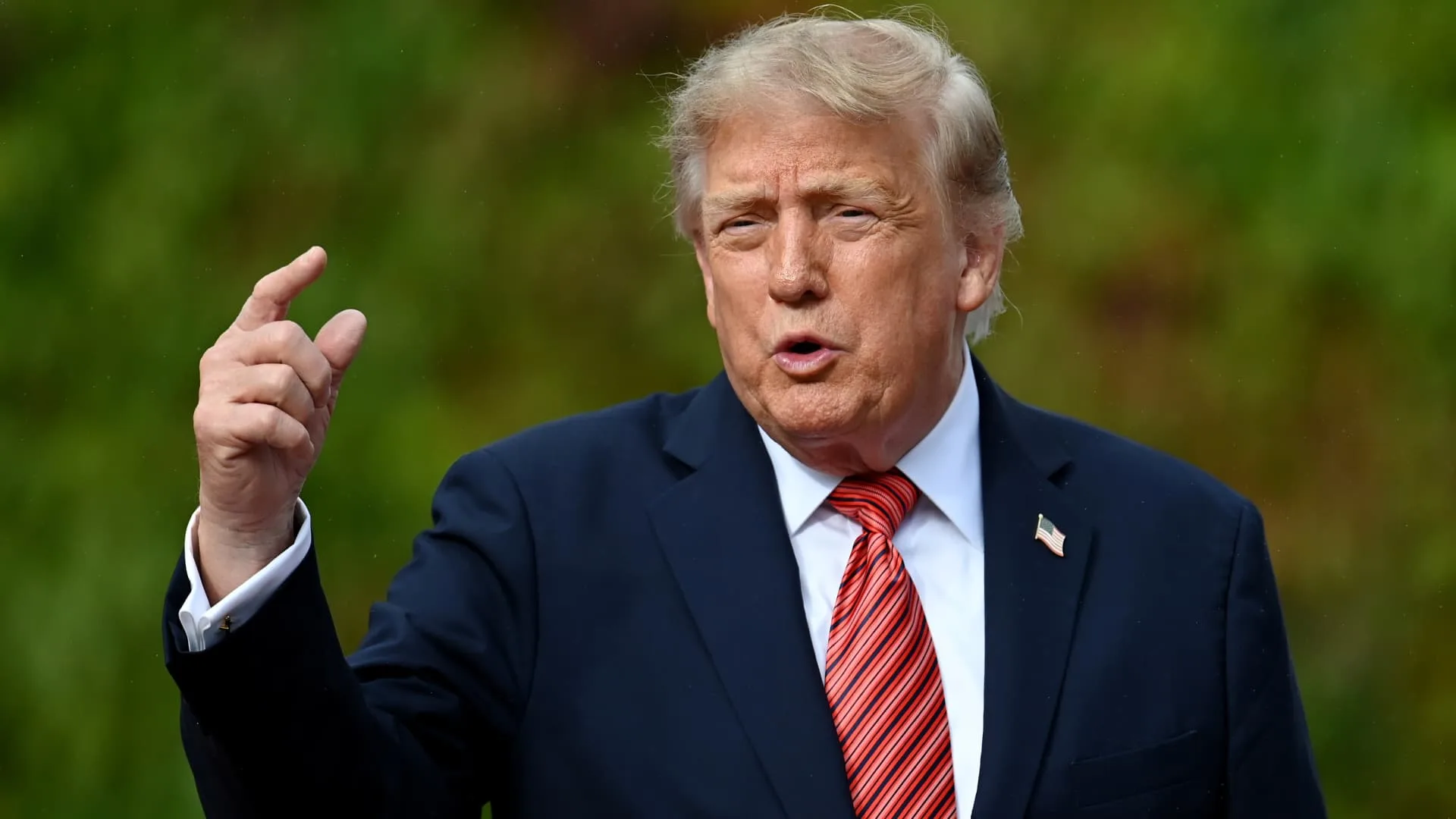
United States President Donald Trump has once again drawn the attention of global capital markets after disclosing more than 1,100 securities transactions made in his name throughout July 2026. In a financial disclosure report released Tuesday (22/9), 1,156 buy-sell transactions were recorded with a total value ranging from US$79 million to US$270 million—a figure equivalent to Rp1.2 trillion to Rp4.1 trillion (assuming an exchange rate of Rp15,300). The largest transaction was the sale of Microsoft and Amazon shares worth US$5 million to US$25 million each on 20 July.
The report shows purchases reached at least US$43.6 million, while sales totaled at least US$35.6 million. This is not the first time Trump has undertaken a major portfolio overhaul. In June, he reported 1,051 transactions with a total value of US$78.1 million–US$263.1 million. Throughout 2025, his annual disclosure recorded more than 21,000 transactions across eight accounts with an asset value of at least US$858 million—a drastic jump compared with only 86 stock transactions in the first year of his term in 2017.
Notably, several transactions coincided with policies that directly affected the companies concerned. On 20 July, Trump signed an executive order tightening supply chain requirements for defense contractors and restricting import relief for critical materials from China. On the same day, he sold Northrop Grumman shares worth US$250,001–500,000. The report does not disclose the exact timing of the transactions or who made the investment decisions.
Trump was also recorded trading shares in companies led by Elon Musk. He bought SpaceX worth US$15,001–50,000—a company that is a major Pentagon contractor and NASA launch provider, and owns xAI with defense contracts worth up to US$200 million. Tesla shares were also traded repeatedly: after buying US$100,001–250,000 on 15 June and US$15,001–50,000 the following day, Trump sold US$131,004–365,000 in four transactions before buying again US$100,001–250,000 on 27 July.
"President Trump's stock and bond portfolio is managed independently by third-party financial institutions. Neither President Trump nor his family members have the ability to direct, influence, or provide input on how the portfolio is invested or when investments are bought or sold," said White House spokesperson Davis Ingle.
Nevertheless, the practice has drawn criticism because previous presidents generally divested individual stock holdings or used blind trusts to avoid conflicts of interest. The very large transaction values and high frequency raise questions about transparency and ethics in the corridors of power.
Indonesian Context
For Indonesian investors, this report is not merely American political news. Global financial markets are highly connected, and Trump's investment decisions can influence sentiment toward the technology and defense sectors that are also traded on the Indonesia Stock Exchange. For example, shares of domestic technology and defense companies often move in line with global news. In addition, Trump's policy restricting imports of critical materials from China could affect global supply chains, including for Indonesia, which is a supplier of raw materials. Investors need to watch whether Trump's trading activity reflects confidence in certain sectors that could serve as an indirect signal for the market.
Going forward, accountability in managing the US president's portfolio will remain in the spotlight, especially ahead of the election. The question is whether the current transparency is sufficient to prevent potential conflicts of interest, or whether stricter regulation is needed. For Indonesia, it is important to ensure that domestic investment policies also prioritize good governance and avoid conflicts of interest, especially amid increasing participation by foreign investors.