Efficiency of Coal Plants vs Nuclear: Why Coal Still Leads in Capacity but Loses Badly on Efficiency
Baca dalam 60 detik
- Amerika Serikat memiliki 219 PLTU batu bara yang menghasilkan total 199.952 MW, jauh melampaui 57 PLTN dengan 103.581 MW.
- PLTN memiliki efisiensi termal 92%, sementara PLTU batu bara hanya 33%, sehingga sebagian besar energi terbuang sebagai panas.
- Transisi ke nuklir terkendala waktu pembangunan yang lama dan kebutuhan bahan bakar yang signifikan, meski volume uranium jauh lebih sedikit dari batu bara.
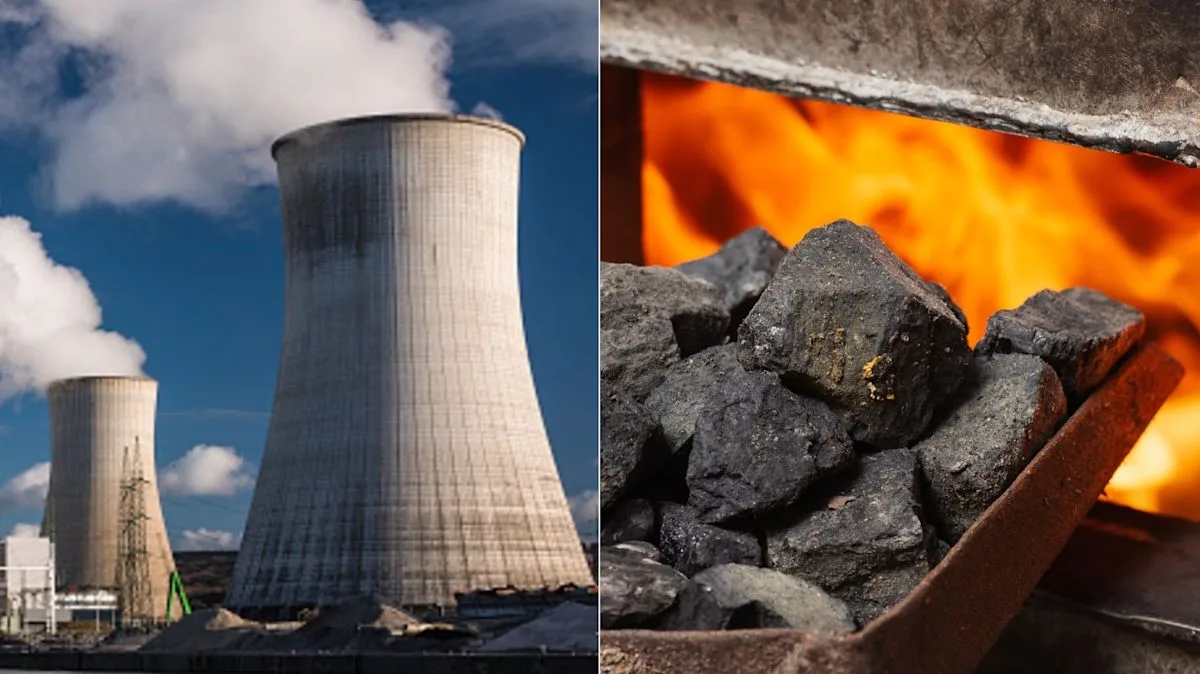
The dominance of coal-fired steam power plants (PLTU) in the United States remains unchallenged. Data from the U.S. Energy Information Administration (EIA) records 219 coal plants operating with a total capacity of 199,952 megawatts, while there are only 57 nuclear power plants contributing 103,581 megawatts. This figure also refutes the assumption that a large number of coal plants reflects better efficiency.
Although coal's total capacity is superior, its actual efficiency lags far behind. Coal plants can only convert about 33% of stored energy into electricity, while the remaining 66% is lost as waste heat. By contrast, nuclear reactors utilize up to 92% of fissile fuel into electricity, making them the most efficient generation method today, surpassing solar and wind.
A fundamental difference also lies in scale and fuel consumption. One nuclear plant produces an average of 1 gigawatt per hour—enough to supply 876,000 homes for a year. Meanwhile, a coal plant produces an average of only about 380 megawatts. To replace one nuclear plant, at least three coal plants are needed, but such a replacement is not as simple as building three new units.
On the fuel side, coal plants consume 1.1 billion tons of coal each year in the U.S., and this resource is non-renewable. By contrast, nuclear plants only need refueling every 1.5 to 2 years. In 2025, U.S. nuclear plants bought 21,000 tons of uranium, a far smaller amount compared to coal needs, though still significant. This volume difference highlights nuclear's advantage in logistics and environmental impact.
"Nuclear plants take years to build and begin operating, so they cannot immediately replace existing coal plants," the analysis noted, underscoring the complexity of the energy transition.
For Indonesia, this comparison is relevant given that the national energy mix is still dominated by coal plants. The government has an ambitious target to add renewable energy capacity, but the nuclear option is starting to re-enter policy discussions. If efficiency is the main consideration, this data could be food for reflection: will Indonesia remain dependent on cheap but inefficient coal, or start looking at nuclear, which is efficient but demands large upfront investment and long construction times?
Going forward, energy decisions are not only about installed capacity, but also efficiency, sustainability, and supply resilience. With global pressure to reduce emissions, countries like Indonesia need to recalculate their energy strategies. Will the transition to nuclear become inevitable, or will coal persist for economic and infrastructure reasons? Time will tell, but the efficiency data already provide a clear hint.