Drought Hits Pemalang for Three Months, 10,764 Households Affected and Clean Water Crisis Widens
Baca dalam 60 detik
- BNPB mencatat kekeringan di Kabupaten Pemalang, Jawa Tengah, telah berlangsung sejak 25 Juni 2026 dan menjangkau 10.764 kepala keluarga.
- Tim gabungan baru mendistribusikan 150.000 liter air bersih hingga 25 September, sementara kebutuhan harian warga terus meningkat.
- Krisis serupa menjalar ke Pringsewu, Lampung, menandakan tekanan El Nino terhadap ketahanan air di sejumlah daerah.
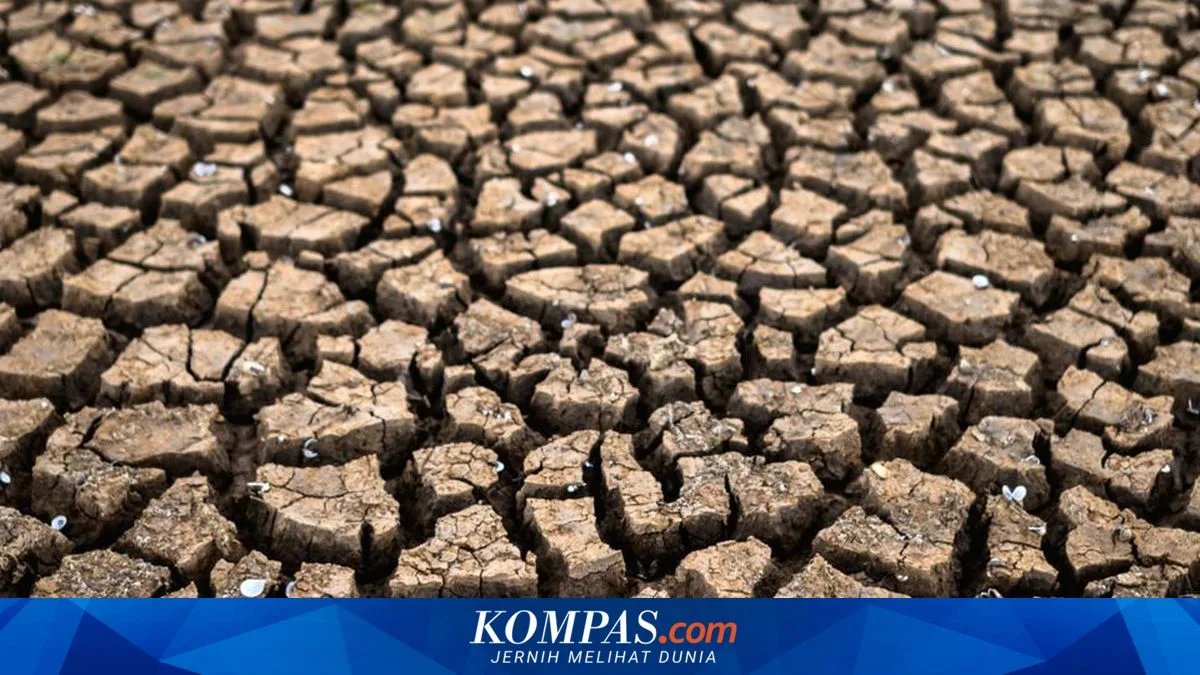
The National Disaster Management Agency (BNPB) has confirmed that Pemalang Regency, Central Java, has been hit by drought for the past three months. As of Friday (25/9/2026), 10,764 households (KK) in the area have been affected because clean water sources no longer meet daily needs. The drought was triggered by a long dry season that has eroded the flow of springs and residents' wells.
Head of the BNPB Data and Information Center, Berton SP Panjaitan, stated that the condition began to be detected on 25 June 2026. According to him, the decline in water source flow has made supply no longer adequate for consumption, sanitation, or agricultural needs. "The drought occurred due to the dry season, which caused the flow of clean water sources to decline," he said in an official statement, Saturday (26/9/2026).
BPBD Pemalang together with village governments has coordinated to distribute aid. As of the latest report, a joint team has distributed 150,000 liters of clean water to affected points. However, the amount is considered insufficient compared with the scale of need of 10,764 households spread across several villages. Water distribution is a challenge in itself due to the terrain and distances between areas.
The water crisis is not only occurring in Central Java. Pringsewu Regency, Lampung, has reported a drought affecting 138 households in Panjerejo Village, Gadingrejo District. The local BPBD has distributed 18,000 liters of clean water as of Friday (25/9/2026). This pattern shows that drought pressure is spreading across various regions, not concentrated in one point.
"We continue to coordinate with village governments to ensure aid is on target, but water needs keep rising as the dry season continues," said Berton.
For readers in Indonesia, especially businesses and investors, this phenomenon is an important signal. Prolonged drought could disrupt agricultural production, raise water logistics costs, and suppress people's purchasing power in affected areas. The agribusiness, property, and water utility sectors need to factor in long-term supply risks. Local governments are required not only to be responsive in emergency distribution, but also to prepare structural mitigation strategies such as rainwater harvesting, rehabilitation of retention ponds, and diversification of water sources.
El Nino, which is said to be strengthening this year's dry season, is making weather patterns increasingly difficult to predict. BNPB and BMKG need to strengthen early warning systems down to the village level. Without concrete adaptation measures, drought could become a recurring disaster that erodes food security and public health. The question is, do local governments have a measurable water resilience road map, or are they still relying on emergency aid every time the dry season comes?