Light Sentence for Andrie Yunus Case Becomes Final: Alarm for Military Justice Reform
Baca dalam 60 detik
- Putusan banding yang memangkas hukuman dua prajurit TNI dalam kasus penyiraman air keras terhadap aktivis Kontras, Andrie Yunus, resmi berkekuatan hukum tetap setelah tidak ada kasasi dalam 14 hari.
- Tidak adanya upaya hukum dari jaksa maupun korban memunculkan pertanyaan tentang akses keadilan dan pengawasan peradilan militer.
- Desakan reformasi peradilan militer menguat agar personel TNI yang melakukan tindak pidana umum diadili di peradilan sipil.
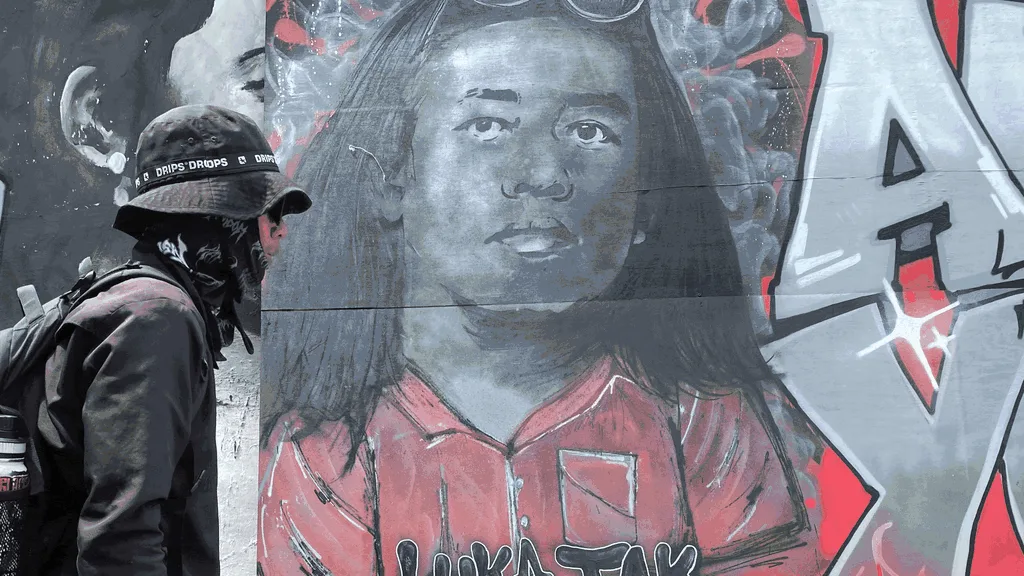
JAKARTA — The legal process in the acid attack case against Kontras activist Andrie Yunus has officially ended. The registry of the Jakarta Military Court recorded that no party filed a cassation appeal against the appellate ruling, meaning the sentence that lightened the punishment for two TNI soldiers has become legally binding (inkrah). The 14-day deadline from the reading of the verdict passed without a cassation petition.
The appellate ruling of the Jakarta II High Military Court Number 56-K/PMT-II/BDG/AL/VI/2026 dated 20 August 2026 altered the sentences of two of the four defendants. The appellate panel cut the sentence of Second Sergeant Marine Edi Sudarko from 3 years in prison plus dismissal to 2 years 6 months without dismissal. A similar change was also handed to another defendant, raising questions about the consistency of law enforcement within the military.
The case began with an acid attack on Andrie Yunus, an activist vocal in criticizing security policy. The attack not only caused physical injury but also became a test of the state's commitment to protecting human rights defenders. The light sentence at the appellate level raises concerns that military justice tends to protect its own members.
"The Andrie Yunus case should make us aware of the urgency and importance of military justice reform so that soldiers are also subject to civilian courts," reads an excerpt from Kompas reporting.
Legal observers assess that the finality of this ruling strengthens the argument that military justice reform cannot be delayed. As long as soldiers who commit ordinary crimes are tried in military courts, the potential for impunity remains high. They urge that the revision of the Military Justice Law include a clause transferring ordinary criminal cases to civilian courts.
Indonesian context: this case serves as a mirror for the public that civilian supremacy over the military has not been fully realized. In many democracies, military personnel who commit ordinary crimes are tried in civilian courts. If reform is not carried out soon, public trust in law enforcement institutions could erode, especially among activists and civil society who rely on state protection.
Going forward, political pressure to reform military justice is predicted to increase. The DPR and the government need to respond to this demand by opening space for dialogue with civil society organizations. Without concrete steps, similar cases could recur and widen the gap between the military and society.