
Occupied Territories Bill Set for July: Political Power Play
Baca dalam 60 detik
- The bill targets companies involved in settlements, forcing them to choose between withdrawal or legal risk.
- Supporters argue it aligns with international law; opponents warn of economic backlash and diplomatic strain.
- The July deadline pressures stakeholders to act quickly, leaving little room for negotiation.
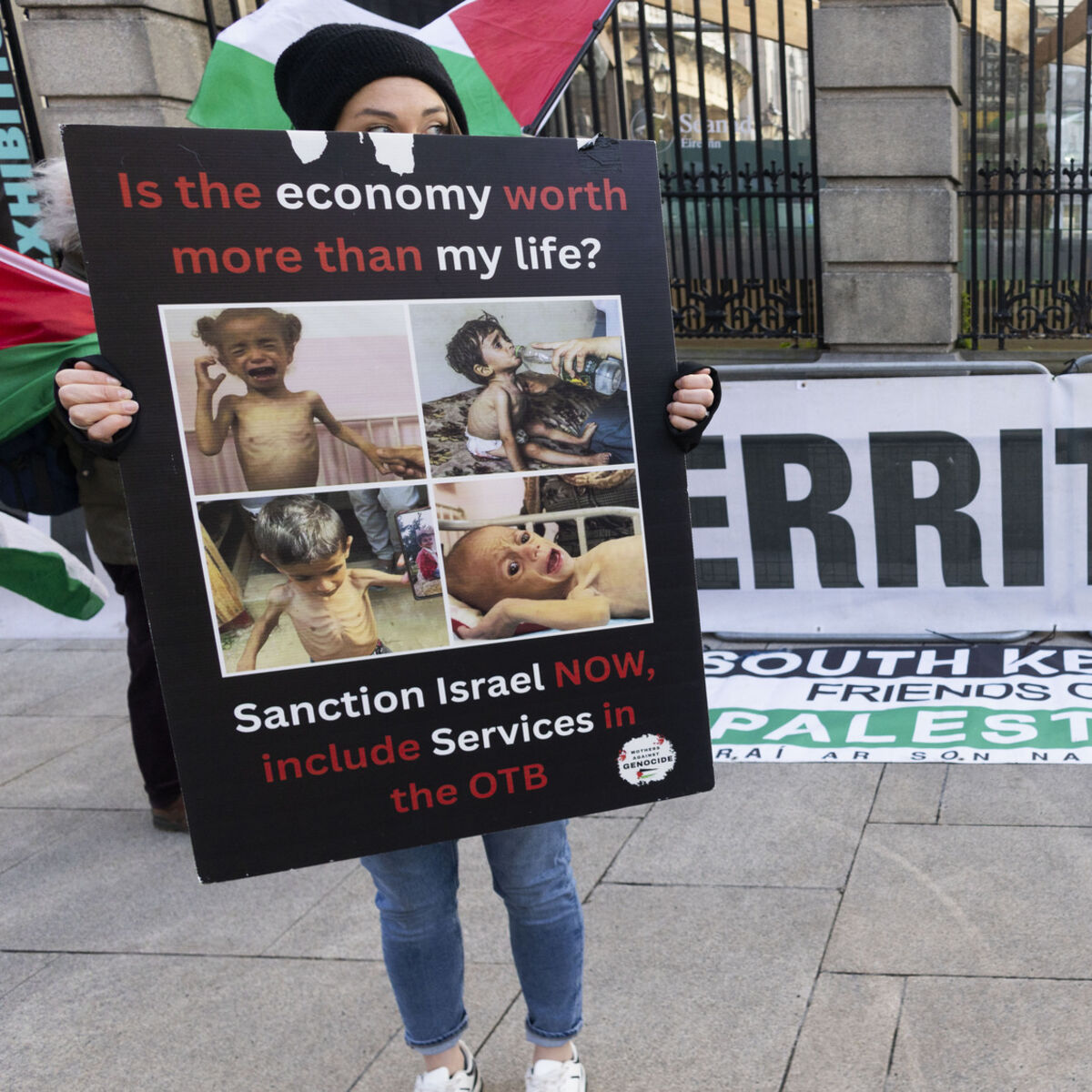
The bill targets companies involved in settlements, forcing them to choose between withdrawal or legal risk. Supporters argue it aligns with international law; opponents warn of economic backlash and diplomatic strain. The July deadline pressures stakeholders to act quickly, leaving little room for negotiation.
Key provisions include mandatory reporting and potential exclusion from government contracts. This creates a compliance maze for multinationals, especially those with dual operations. The bill's timing coincides with renewed peace talks, adding a layer of strategic leverage.
Diplomatic fallout is imminent, with key allies likely to protest the move. However, domestic political gains may outweigh external costs, as the bill energizes the base. The government calculates that short-term friction yields long-term policy coherence.
Power Move: By locking in the bill before July, the government forces opponents into reactive mode. Expect legal challenges and corporate lobbying, but the timeline leaves little room for derailment. This is a calculated chess move: legislation as leverage.
This article was edited with AI assistance for readability. Read original here.


