
DOJ Cites White House Shooting to Force Ballroom Build
Baca dalam 60 detik
- The 2011 incident, where a gunman fired at the White House, provides the DOJ with a potent security rationale.
- By linking ballroom construction to enhanced protection protocols, the department sidesteps typical bureaucratic hurdles.
- This legal tactic sets a precedent for invoking past security breaches to advance infrastructure projects.
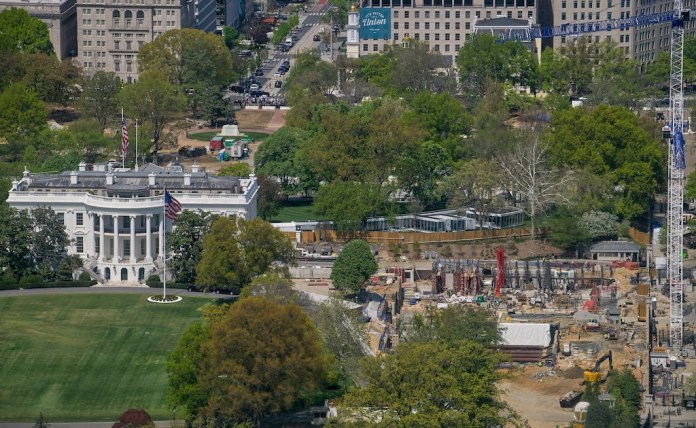
The 2011 incident, where a gunman fired at the White House, provides the DOJ with a potent security rationale. By linking ballroom construction to enhanced protection protocols, the department sidesteps typical bureaucratic hurdles. This legal tactic sets a precedent for invoking past security breaches to advance infrastructure projects.
Opponents argue the ballroom is unnecessary and costly, but the DOJ's appeal reframes the debate around national security. The strategy effectively neutralizes fiscal and environmental objections by prioritizing protective measures. This approach mirrors tactics used in military base expansions where security trumps all other considerations.
Legal experts note this could open a floodgate of similar appeals, as any past security incident becomes a tool for project acceleration. The White House shooting, though isolated, now serves as a strategic asset in the DOJ's legal arsenal. Expect more agencies to mine historical security events for leverage.
Power Move: By weaponizing a decade-old security breach, the DOJ creates a playbook for bypassing opposition. Future projects will increasingly cite past threats as justification, shifting the balance of power toward executive authority. This move reshapes how infrastructure battles are fought—and won.
This article was edited with AI assistance for readability. Read original here.


