Musk Promises to Give SpaceX Shares to 72 Million US Children, Worth Up to Rp164 Trillion
Baca dalam 60 detik
- Elon Musk berencana membagikan satu lembar saham SpaceX miliknya kepada setiap anak di Amerika Serikat pada 2026, dengan total nilai sekitar US$10,5 miliar.
- Aksi filantropi ini muncul tak lama setelah Anthropic mengumumkan komitmen 5% saham untuk dana publik, memicu perdebatan tentang model distribusi kekayaan di Silicon Valley.
- Namun rekam jejak Musk dalam memenuhi janji filantropi dinilai buruk, sehingga publik menanti realisasi konkret dan mekanisme pembagiannya.
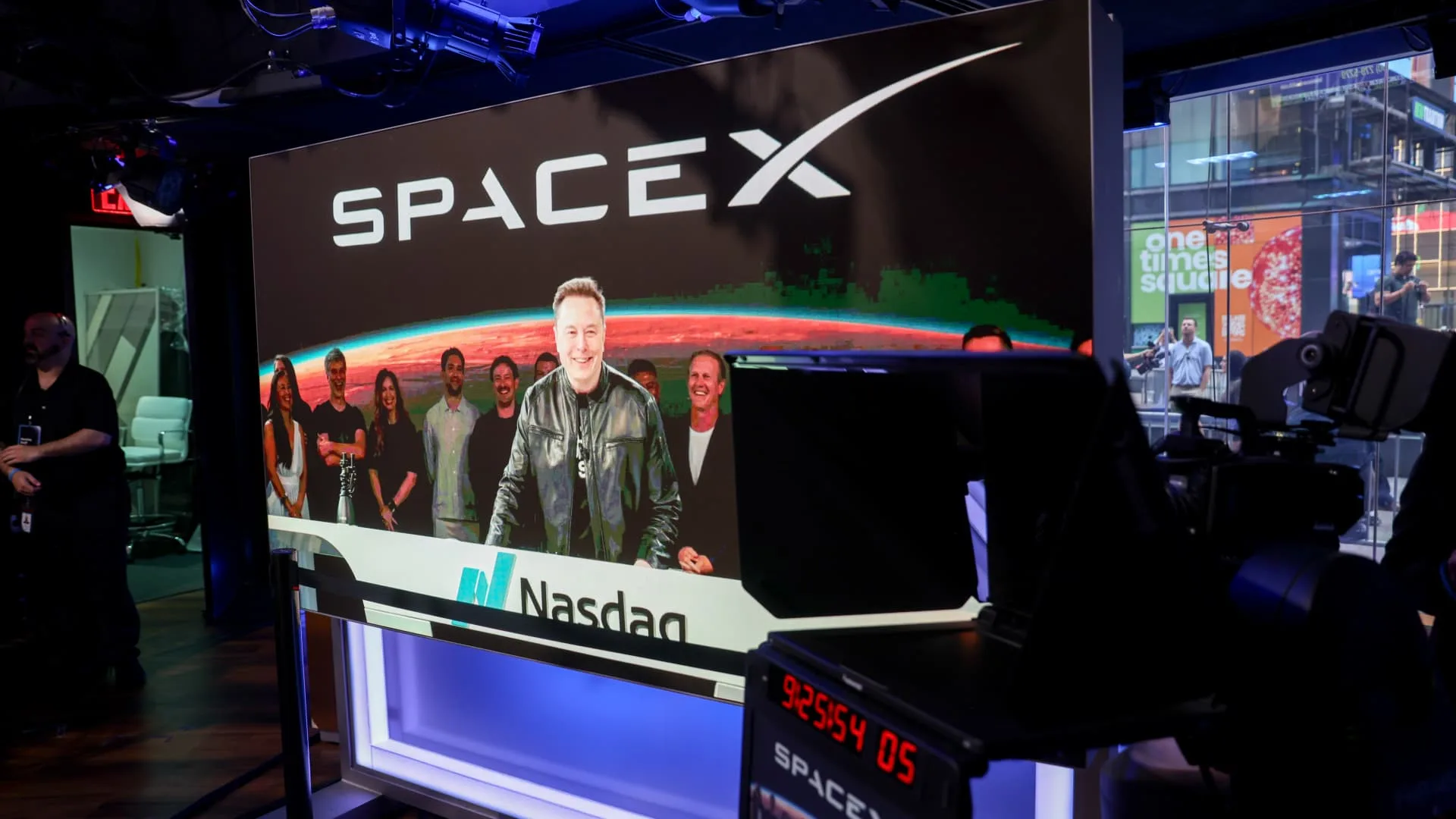
Elon Musk has made another splash. On Monday (19/10/2026), the SpaceX CEO announced plans to give one share of his company to every child in the United States next year. If realized, the move would amount to giving away about US$10.5 billion (around Rp164 trillion) of his wealth.
Musk made the announcement through his personal X account. He called the share distribution "the first of many things" without detailing the distribution mechanism. As of this news being published, CNBC was still trying to reach SpaceX and Musk's family office for further explanation.
Based on official census data as of 1 July 2025, there are about 72 million children under 18 in the US. With SpaceX shares closing at US$146.03 per share on Friday (16/10/2026), the total value of the shares to be distributed reaches US$10.5 billion. Musk himself is known to hold about 4.8 billion SpaceX shares according to an SEC filing last August, equivalent to 48.4% beneficial ownership when accounting for unvested options and awards.
The plan drew a positive response from Brad Gerstner, founder of Invest America, Trump Accounts, and Altimeter Capital. In his post on X, Gerstner called Musk's move "the largest philanthropic gift in history" and suggested the shares be distributed through Trump accounts. "This would be a free lifetime investment account for every citizen under 18 and every child born thereafter," he wrote.
Even so, the public should be skeptical. Musk's track record on fulfilling his philanthropic promises has not always been smooth. From 2016 to 2020, he promised to donate up to US$1 billion to OpenAI, but only delivered about US$38 million before stopping donations due to a conflict with the founders. In 2021, he also promised US$6 billion to the UN World Food Programme if the organization could show a concrete plan to tackle global hunger. In fact, to this day the donation has never materialized.
Musk's foundation has also repeatedly failed to meet the minimum donation obligations required by law. A report by The New York Times even said much of Musk's philanthropic funds went to charities closely tied to his own business interests.
The announcement came shortly after Anthropic, the AI company founded by former OpenAI executives, announced a commitment to donate 5% of its shares to a public welfare fund. Musk responded to Anthropic's post on X with a suggestion that the shares be "distributed directly to the public" — a statement that appears to have triggered the idea of distributing SpaceX shares.
Musk's move also cannot be separated from the US political context. Throughout the period from July to October 2026, Musk was recorded as the largest donor in the 2026 midterm elections with total donations of more than US$276 million to Republican groups. As much as US$158 million of that flowed to the Senate Leadership Fund through a PAC formed to support Ken Paxton. Two separate donations of US$75 million and US$83 million each made him one of the largest political donations in American history.
For Indonesia, this phenomenon offers a mirror of how global technology conglomerates are beginning to experiment with unconventional wealth distribution models. If this share-sharing scheme succeeds, it is not impossible that a similar model will be adopted by startups in the country as an alternative to corporate social responsibility programs. However, without a clear regulatory framework, distributing shares directly to the public risks creating tax and governance complications.
The big question now is: will Musk's promise this time come true, or is it just another public relations stunt ahead of the political season? The public has the right to demand transparency, especially since the value at stake reaches hundreds of trillions of rupiah. If truly realized, this move could set a new precedent for global corporate philanthropy. If not, Musk's reputation as someone fond of making promises without execution will become even harder to repair.