Victoria's Secret Returns to the Runway: The 'Fantasy' Strategy and the Business Behind the Angel Wings
Baca dalam 60 detik
- Victoria's Secret menggelar peragaan busana tahunan di Los Angeles dengan tema empat musim, menandai upaya pemulihan citra setelah bertahun-tahun kritik.
- Model seperti Bella Hadid, Rosie Huntington-Whiteley, dan Adriana Lima tampil, sementara Kylie Jenner membuat debut runway dengan bra berlian senilai $50 juta.
- Langkah ini menjadi ujian bagi industri lingerie global dalam menyeimbangkan daya tarik seksual dengan tuntutan inklusivitas dan keberlanjutan.
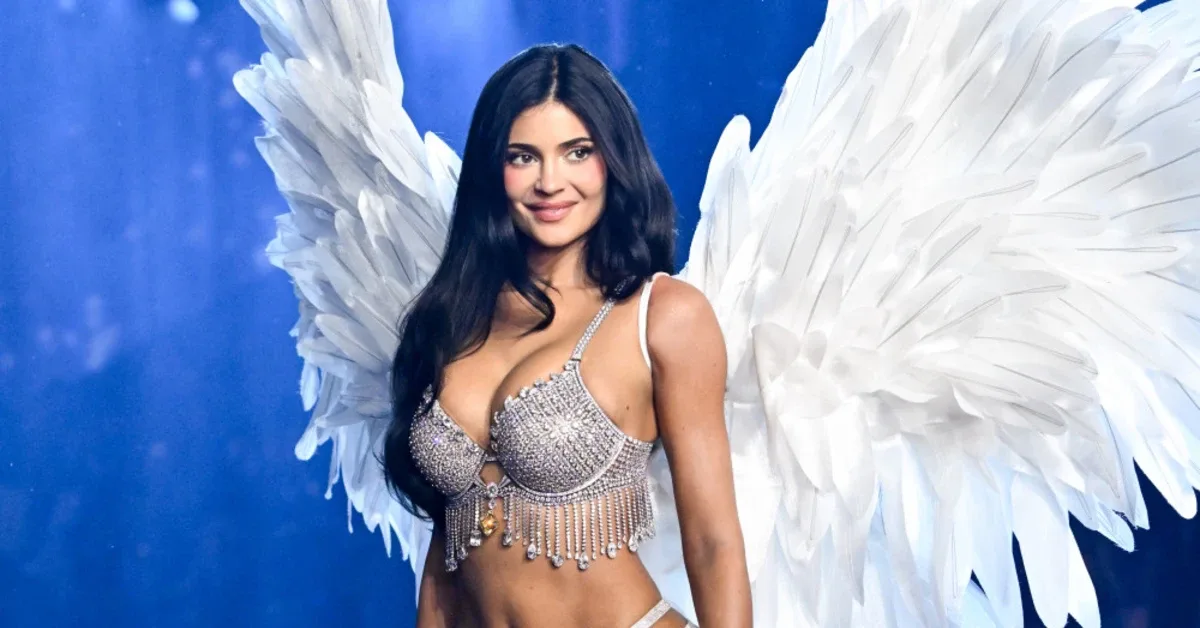
Victoria's Secret held its annual fashion show at Sony Pictures Studios in Culver City, Los Angeles, on Sunday (18/10/2026), adopting a four-seasons theme under the creative direction of Adam Selman. The event marks the US lingerie company's effort to rebound after years of criticism over beauty standards and body image.
The show featured a number of veteran models such as Bella Hadid, Elsa Hosk, Candice Swanepoel, Jasmine Tookes, Behati Prinsloo, Alessandra Ambrosio, and Rosie Huntington-Whiteley, who returned after a 16-year absence. Adriana Lima closed the show, while Kylie Jenner drew attention with her runway debut wearing a diamond-encrusted bra reported to be worth $50 million.
On the music side, Victoria's Secret presented an all-female lineup: Megan Moroney, KATSEYE, Megan Thee Stallion, and Tate McRae. Tate McRae's appearance in red lingerie and matching wings became one of the most talked-about moments.
Even so, the event is more than just an entertainment stage. Behind the glamour, Victoria's Secret is replaying its business narrative. After being abandoned by some consumers and facing pressure to be more inclusive, the company appears to have chosen a middle path: still selling fantasy and sex appeal, but in a more confident, unapologetic package.
The move has drawn mixed reactions. Some observers see Victoria's Secret trying to rise from its slump by leaning again on the old formula that once made it dominant. Others, however, question whether this approach is enough to answer the challenges of a fashion industry that increasingly demands diverse body representation.
"Victoria's Secret doesn't need to apologize for selling fantasy. But it also can't ignore the market reality that keeps changing," said a fashion analyst who declined to be named.
In the Indonesian context, the lingerie and fashion industry faces similar dynamics. Local brands are beginning to adopt an inclusive approach by featuring models of various body sizes, while cultural and religious challenges remain a consideration. Victoria's Secret's presence in the global market, including through e-commerce platforms, mirrors how Indonesian consumers respond to the beauty narrative carried by international brands.
Going forward, the question is whether Victoria's Secret can sustain this momentum without losing relevance. The company needs to prove that its "back to its roots" strategy is not merely nostalgia but part of a broader transformation, including in terms of model diversity and sustainable business practices. If not, the glitter of the angel wings may be only a fleeting sparkle.