Trump-Putin Diesel Deal: A Political Windfall for Moscow, a Danger Signal for Kyiv
Baca dalam 60 detik
- AS melonggarkan sanksi agar Rusia memasok 4,8 juta ton diesel ke pasar global, tetapi volume itu hanya setara sepuluh hari konsumsi domestik AS sehingga nyaris tak menggerakkan harga minyak.
- Keuntungan finansial Moskow dari kesepakatan ini terbilang marginal, namun secara politik langkah tersebut melemahkan solidaritas Barat dan memupuk keyakinan Kremlin bahwa tekanan militer akan berbuah konsesi.
- Ukraina menghadapi risiko ganda: pembatasan layanan Starlink militer dan ancaman preseden pelonggaran sanksi menjelang musim dingin yang keras.
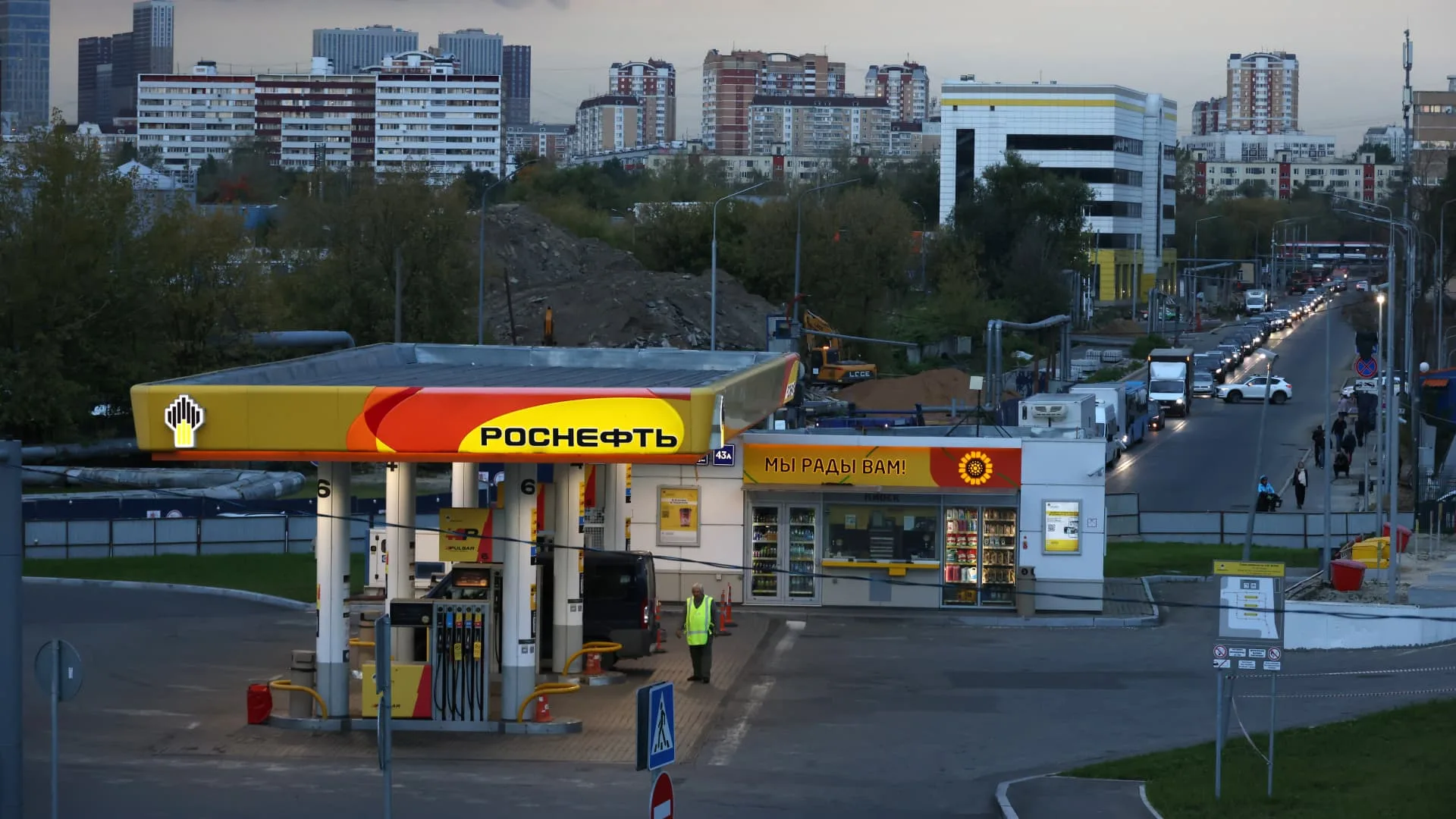
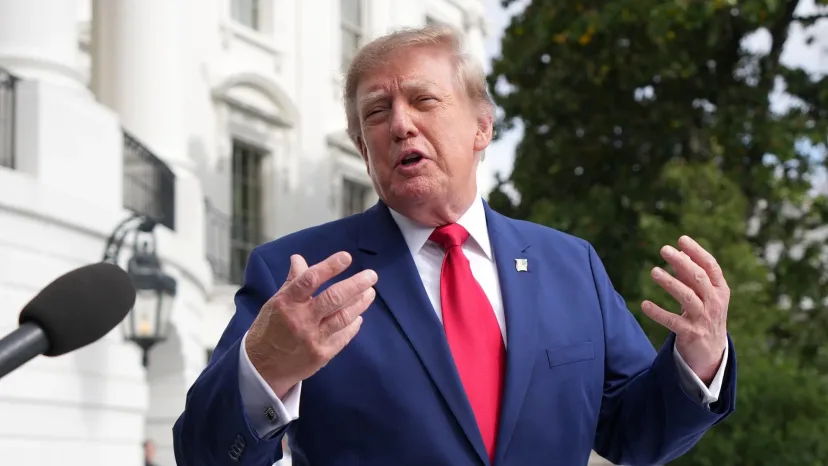
US President Donald Trump has once again made a maneuver that shakes the geopolitical map: easing sanctions on Russia in exchange for diesel supplies to the global market. For Kyiv, the move is not merely a matter of fuel prices but a signal that Washington—Ukraine's most important military ally—is shifting its priorities. The deal announced this week emerged amid energy inflation pressure ahead of the US midterm elections in November.
In volume terms, the deal is tiny. Russia has committed to supplying 4.8 million metric tons of diesel, an amount that covers only about ten days of US domestic demand or one day of global consumption. Neil Atkinson, former head of the oil industry and markets division at the International Energy Agency (IEA), judged the supply too small to move world oil prices. "It doesn't even touch the demand side," he told CNBC.
However, the financial impact is not the core issue. Sergey Aleksashenko, a senior researcher at the NEST Centre, estimated that the initial phase of the deal—covering 1.8 million tons of diesel—will add only about USD 1.25 billion to Russia's export revenue over three months, or roughly 1% of the country's total commodity receipts in the same period. The contribution to the federal budget is even smaller: less than USD 30 million per month, or below 0.07% of monthly revenue.
Aleksashenko stressed that the real benefit for Moscow is political. "The main benefit for Russia is political: Trump's decision reduces sanctions pressure and weakens Western unity," he said. Similarly, Maria Snegovaya of the Center for Strategic and International Studies (CSIS) judged that the deal actually strengthens the Kremlin's belief that sustained military pressure will force the West to give in. "Instead of encouraging compromise, this deal increases Moscow's confidence that pressure will yield further concessions," she said.
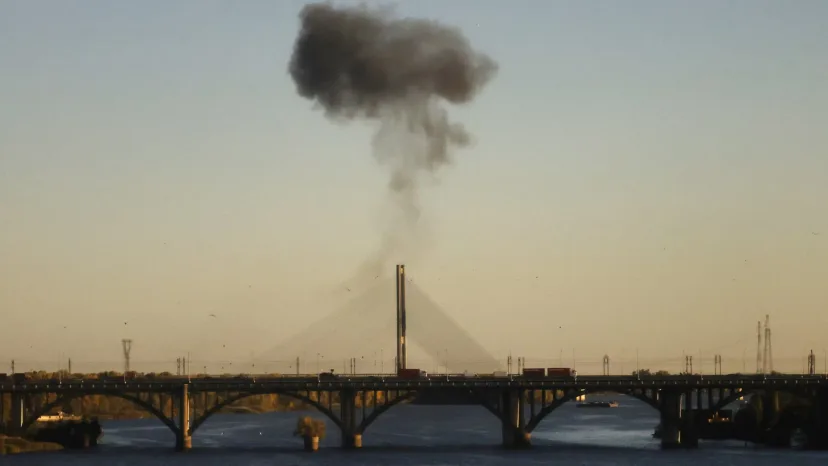
For Ukraine, the blow comes from two directions. First, restrictions on the military Starlink application—Starshield—which were reportedly ordered from within the White House. As a result, network speeds have dropped, Ukraine's ability to shoot down Russian drones has weakened, and early warnings against ballistic missiles are no longer received, according to Ukrainian officials. Serhiy Derkach, Ukraine's first deputy minister for restoration, infrastructure, and transport, stated that the restrictions have emboldened Russia to step up attacks on civilian infrastructure. "Russia feels this is their moment to inflict greater suffering," he said.
Second, Ukrainian president Volodymyr Zelenskyy warned that lifting sanctions on diesel could set a precedent for easing in other sectors, including banking and the chemical industry. "Sanctions will be lifted after gas, then other things, then the banking system, certain individuals, the chemical industry," Zelenskyy said in Brussels. The concern is justified: the sanctions exemption runs until April 2027, long enough to open the way for larger Russian diesel exports than announced.
"Nearly five years of war, and Ukraine and its European partners are still heavily dependent on the US in critical areas such as intelligence and missile defense. This dependence will be hard to overcome for the rest of the Trump administration." — Maria Snegovaya, CSIS
This is where the structural dilemma for Kyiv and Brussels lies. Europe is indeed trying to build military independence, but its capacity is not yet sufficient in the short term. Meanwhile, Ukraine's attacks on Russian oil refineries have proven to exert significant economic pressure on Moscow. If Washington uses its intelligence and military support as leverage to make Ukraine reduce those attacks, the impact could be far greater than diesel alone.
Indonesian context: For Jakarta, this deal is more relevant as a mirror of energy geopolitical risk. As a net oil importer, Indonesia is vulnerable to global price fluctuations, even though the volume of Russian diesel entering the market is not large enough to change prices significantly. What needs to be watched is the precedent of sanctions easing—if sanctions norms weaken, energy markets could become more fragmented and unpredictable. Indonesia also needs to watch the impact on fertilizer and industrial fuel supply chains that depend on the stability of world energy prices.
Going forward, the question is no longer how many dollars Moscow reaps from this deal, but how far Washington is willing to trade pressure on Russia for domestic price stability. If this transactional logic continues, Ukraine may have to recalculate its war strategy—and Europe to accelerate its military independence agenda before the political window closes.