Trump Scraps Russia Sanctions and Tariffs a Day Before They Take Effect, Congress Furious
Baca dalam 60 detik
- Presiden AS Donald Trump menandatangani perintah eksekutif yang membatalkan sanksi dan tarif terkait Rusia hanya beberapa hari sebelum ketentuan itu berlaku.
- Langkah ini menuai kritik dari anggota Kongres, termasuk dari Partai Republik, yang menilai waiver tersebut melemahkan tekanan terhadap Moskow.
- Keputusan itu berpotensi memengaruhi harga minyak global dan hubungan dagang dengan negara-negara pengimpor minyak Rusia seperti India dan China.
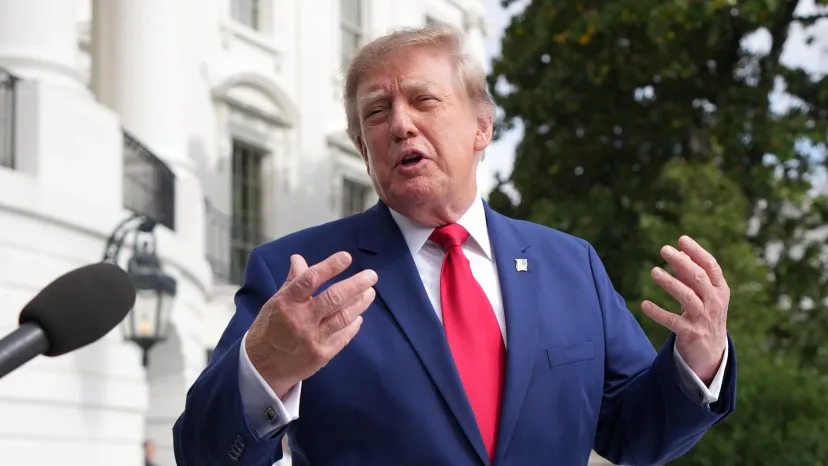
US President Donald Trump has formally set aside a series of sanctions and tariffs aimed at Russia, just days before the rules were due to take effect. The executive order released by the White House on Friday (17/10/2026) states that the suspension is in the US national interest. The move surprised many, since Trump himself had signed the law underpinning the sanctions in mid-September 2026.
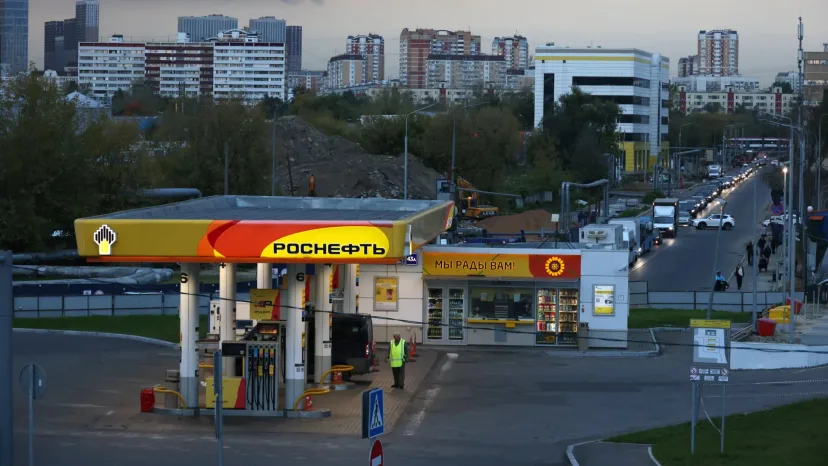
The law, named the Lindsey O. Graham Sanctioning Russia and Iran Act of 2026, was designed to tighten pressure on Russia over its invasion of Ukraine that began in 2022. One of its toughest provisions is the imposition of tariffs of up to 100% on goods from the five largest importers of Russian crude oil and gas, as well as any country that knowingly buys Russian oil or gas within 30 days after the law takes effect. Countries that help Russia evade sanctions are also covered.
However, in his executive order, Trump stated that he had submitted a certification to Congress that the suspension is consistent with the US national interest. He also stressed that the waiver would remain in force until he or his senior officials determine that further action is needed. The decision was taken amid a heated domestic political situation ahead of the midterm elections in November, in which the Republican Party is fighting to retain control of both chambers of Congress.
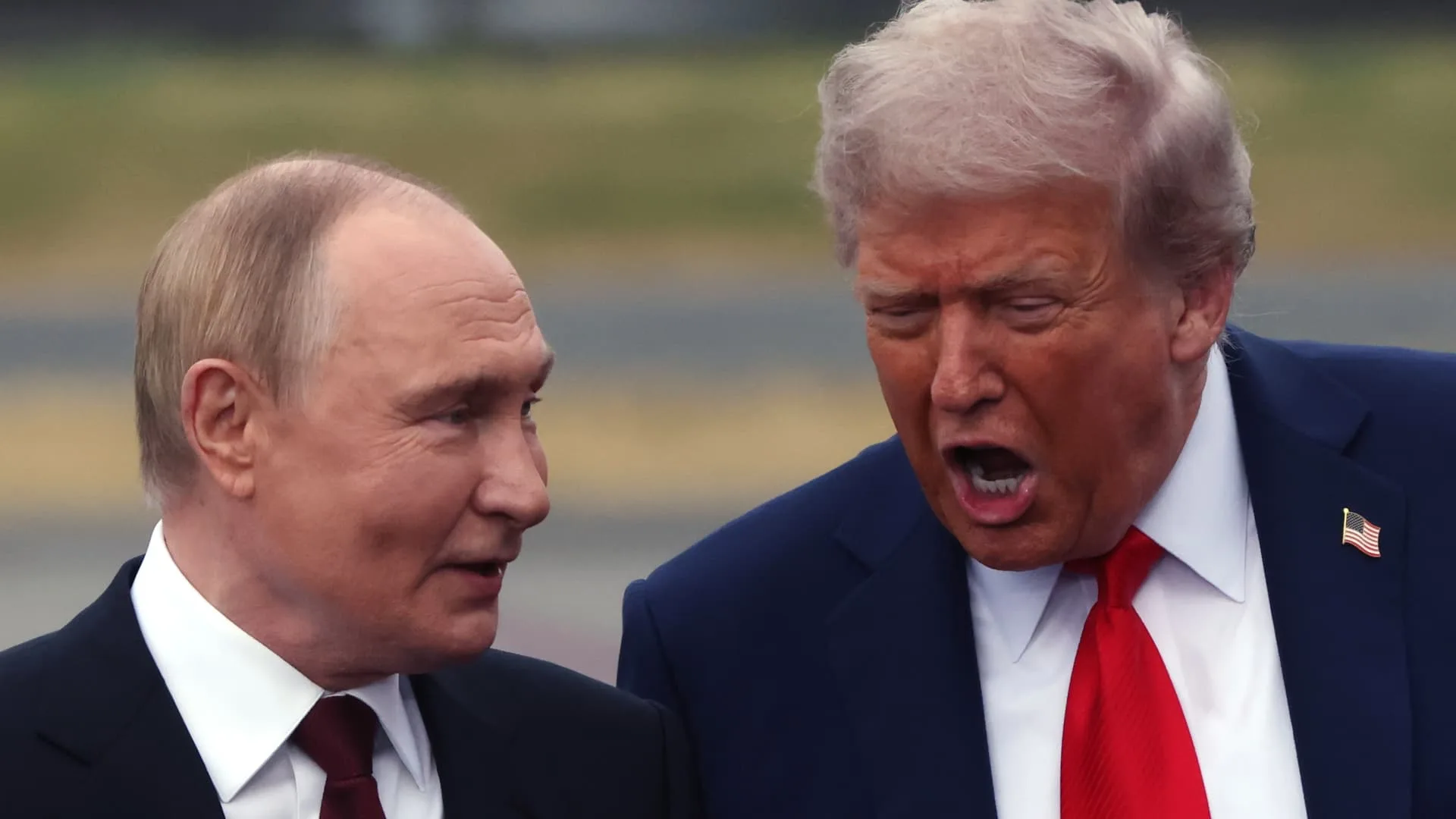
Criticism also came from within the country. Democratic House member Don Beyer sharply condemned Trump's decision. According to him, the move amounts to surrendering to Russian President Vladimir Putin and betraying Ukraine's partners. Beyer also argued that the waiver ignores Congress's clear intent to punish Russia for its illegal aggression. Previously, a number of senators, including Republicans, had also highlighted the diesel deal between the US and Russia, which they said could help fund Russia's war effort.
Analysts assess that the suspension of sanctions could hold back a surge in world oil prices that are already high due to the US-Israel conflict with Iran. By canceling the tariffs, the Trump administration is seeking to avoid an increase in energy costs that could worsen inflation and hurt US consumers ahead of the election. However, the decision also raises questions about the consistency of US foreign policy toward Russia, especially amid Washington's efforts to improve relations with Moscow.
For Indonesia, Trump's move deserves attention because it could affect global crude oil price dynamics and domestic energy policy. As a neutral country that does not depend on Russian oil, Indonesia may not be directly affected by the sanctions, but fluctuations in world oil prices will affect energy subsidies and the state budget. In addition, if US-Russia tensions ease, there is an opportunity for Indonesia to strengthen economic cooperation with both countries, including in the energy and trade sectors.
Going forward, Trump's decision will be a test of the credibility of international sanctions against Russia. Will this step be followed by further easing of sanctions, or will it instead trigger a sharp reaction from Congress that could hamper the administration's legislative agenda? Meanwhile, countries such as India and China, which had previously voiced concerns about the law, may now feel relieved, but they remain wary of possible changes in US policy in the future.