Trump Denies Ordering Starlink Restrictions in Ukraine, Musk Points to White House
Baca dalam 60 detik
- Presiden AS Donald Trump membantah terlibat dalam pembatasan layanan Starlink dan Starshield untuk militer Ukraina.
- CEO SpaceX Elon Musk menyatakan sistem Starshield dimiliki dan dikendalikan pemerintah AS, sehingga tanggung jawab ada di Gedung Putih.
- Pembatasan mendadak mengganggu operasi drone Ukraina dan memicu kritik dari pejabat Ukraina serta Polandia.

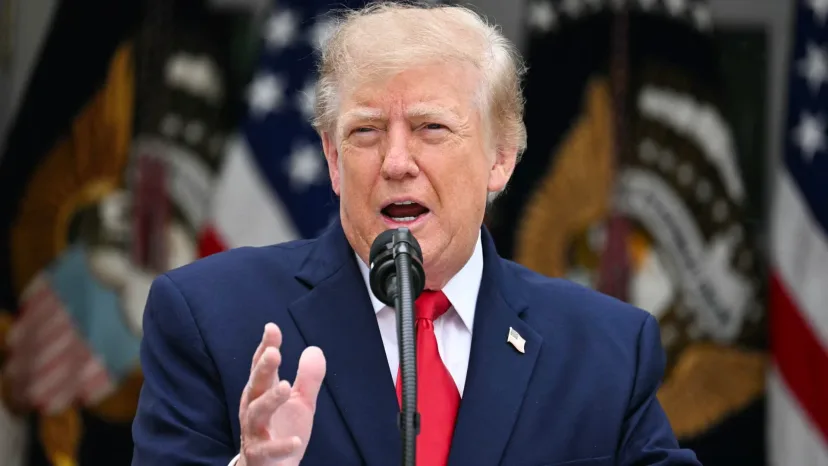
United States President Donald Trump on Friday (16/10/2026) denied that the White House ordered restrictions on SpaceX's Starlink satellite internet service for Ukrainian forces. The statement came after reports of a sudden restriction on Starshield, the military version of Starlink, that affected Ukrainian military operations.
In remarks to reporters in Washington, D.C., Trump said he was not aware of any such instruction. "I don't know if somebody did it, because it wasn't me, and I don't think it was Elon. And as far as I understand it, it's the same as usual," he said. The statement also responded to the accusation by SpaceX CEO Elon Musk, who pointed to the US government as the party controlling the Starshield system.
Musk had earlier written on platform X that "Starshield systems are owned and controlled by the US government." He dismissed the notion that SpaceX was responsible for the restrictions. However, a report by The Telegraph on Friday said Musk "raised the idea with Donald Trump of slowing Starlink in Ukraine," and the two were said to have played a part in imposing the restrictions. Meanwhile, Reuters cited two US officials as saying the restriction order came from the White House, without naming who gave the instruction.
The impact of the restriction was felt directly by the Ukrainian military, which has relied on Starlink and Starshield for communications and control of autonomous drones. According to Serhii Beskrestnov, an adviser to Ukrainian President Volodymyr Zelenskyy, the troops received no warning at all. "Our forces received no notification about this restriction, and it caused several missions to fail," he wrote on Telegram. He added that the restriction hampered civil defense capabilities against increasingly intensive Russian attacks.
Criticism also came from Polish Deputy Prime Minister Radoslaw Sikorski. Poland is known to have bought Starlink services from SpaceX for Ukraine's benefit. In a post on X, Sikorski questioned whether Musk was once again mixing business with politics. "Hey @elonmusk, big man, are you playing politics with your product again? As a European customer, we are watching you," he wrote. Sikorski stressed that the move harmed the interests of Ukraine and its allies.
"Starshield systems are owned and controlled by the US government." — Elon Musk, CEO SpaceX
Musk's position as a Pentagon technology adviser through his role in the newly announced Project Meridian further highlights the link between business interests and US defense policy. Earlier, on 10 October, after Trump called for Ukraine to halt all attacks on Russian oil refineries, Musk wrote on X, "Zelensky has gone too far." The statement fueled speculation that political pressure on Ukraine was increasing.
As of the publication of this news, Musk and SpaceX had not given an official response to requests for comment. SpaceX shares were recorded down about 11% over the week, and the company is scheduled to release its quarterly financial report next Tuesday. The market appears to be waiting for further clarification on who is actually responsible for the restriction, while also assessing its impact on global customer trust.
The case raises major questions about the boundary between government control over private technology and operational needs on the battlefield. If there was indeed a political instruction, it could trigger new tensions between the US and European allies that have so far depended on Starlink. Conversely, if the restriction was technical, SpaceX needs to explain the mechanism that triggered the sudden loss of connectivity. Going forward, transparency will be key to maintaining the trust of international partners, especially amid an ongoing conflict.