BPGMN Prepares Technology to Predict Forest and Land Fires Three Days Ahead, Focus on Dry Peat
Baca dalam 60 detik
- BPGMN merancang sistem peringatan dini karhutla berbasis pemodelan cuaca dan hidrologi untuk memprediksi titik api hingga 72 jam sebelum kejadian.
- Indikator utama yang dipantau adalah tinggi muka air gambut; jika di bawah 40 cm, intervensi sekat kanal harus segera dilakukan.
- Pemerintah akan menggandeng pakar lintas disiplin dan mendorong budidaya ramah gambut seperti sagu dan nanas agar ekonomi warga tetap berjalan.

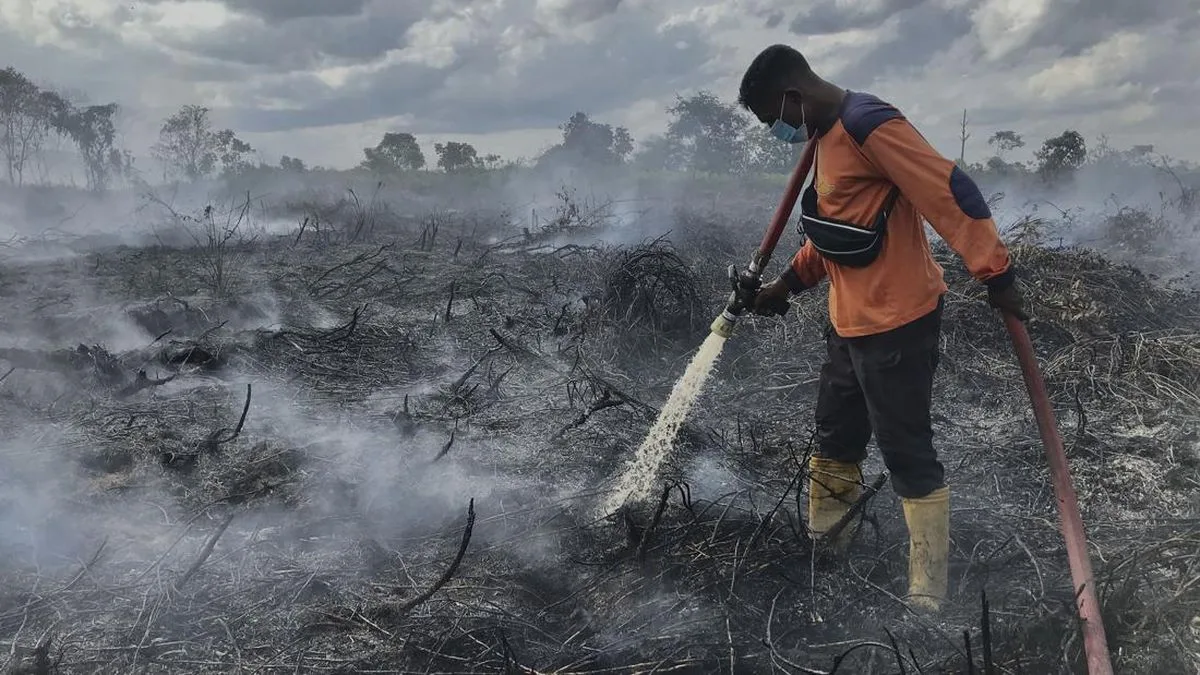
The National Peat and Mangrove Management Agency (BPGMN) is preparing a new breakthrough: technology capable of predicting forest and land fires (karhutla) in peat ecosystems up to three days before an event occurs. The plan has emerged amid growing concerns over extreme drought that is accelerating the drying of peatlands in various regions.
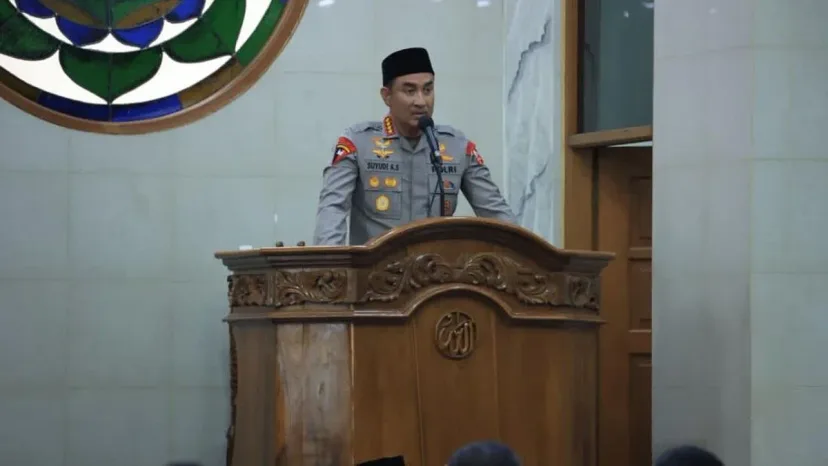
Deputy Head of BPGMN, Sriyanto, said the existing monitoring system is currently limited to knowing current conditions. He argued a leap in capability is needed: not only detecting hot spots, but also analyzing triggers and projecting fire potential. "If possible, three days in advance. I believe technology that can predict fires across Indonesia three days ahead does not yet exist. However, at least the technology that colleagues have developed can be put to use," he said at the State Palace, Central Jakarta, Thursday (15/10).
According to Sriyanto, the development of this technology will make use of monitoring systems built by various parties, including regional police. BPGMN has also identified a number of technology developers that could be invited to cooperate. One crucial parameter that will be a focus is the peat water table level. If the water surface is below 40 centimeters, the status falls into the vulnerable category and mitigation measures must be taken immediately. Therefore, detailed mapping of peat conditions and the points that need canal blocks across Indonesia is an urgent task.
Head of BPGMN Setyawan Pudyatmoko highlighted the root problem that makes peat easily flammable: the change in its natural condition from wet to dry. The construction of canals that channel water out of peat areas, especially from dome areas that function as water towers, is cited as the culprit. "We know the source of the drying is canals. Peat has domes. Often the domes that serve as water storage are cut by canals, even though that is the water tower. So, when the dry season comes like now, the water from the dome is already gone," Setyawan explained on the same occasion.
To address this, BPGMN plans to map all canals and build canal blocks to slow the rate of water outflow while maintaining peat moisture. However, a technical approach alone is not enough. Setyawan stressed the importance of involving surrounding communities, including encouraging the cultivation of commodities that do not require much water such as sago, jelutung, and pineapple. The aim is for fire prevention efforts not to sacrifice residents' livelihoods. "Peat management needs to consider the economic sustainability of the community," he asserted.
In addition to improving water management and economic empowerment, BPGMN will form a cross-disciplinary expert group—ranging from peat, hydrology, revegetation, to socio-economics. A similar group is also being prepared for mangrove management, which together with peat is a key ecosystem that must be protected and restored. Scientific modeling to estimate the time and location of drying and to map fire risk is an inseparable part of this strategy.
If the three-day prediction technology materializes, the government can carry out early evacuation and prepare safe points for people in high-risk areas. "If we already know the possibility of fires in peat forests, we start mitigation. We must determine the evacuation that can and must be carried out to protect the community, where the safe points are and how the mechanism works," Sriyanto concluded. The question now: how soon can this prototype be tested in the field, and is the data infrastructure in the regions ready to support it?