IKN Authority Locks In Rp3.74 Trillion: ASN Housing to Private Investment Starts Moving
Baca dalam 60 detik
- Otorita IKN menandatangani perjanjian kerja sama senilai total Rp3,74 triliun untuk pembangunan hunian ASN dan lima proyek swasta di Nusantara.
- Skema pendanaan tidak lagi bertumpu pada APBN, melainkan melalui KPBU dan partisipasi badan usaha, menandai pergeseran model pembiayaan infrastruktur.
- Langkah ini membuka peluang bagi UMKM daerah untuk masuk ke rantai pasok IKN, meski masih menyisakan pertanyaan soal realisasi di lapangan.
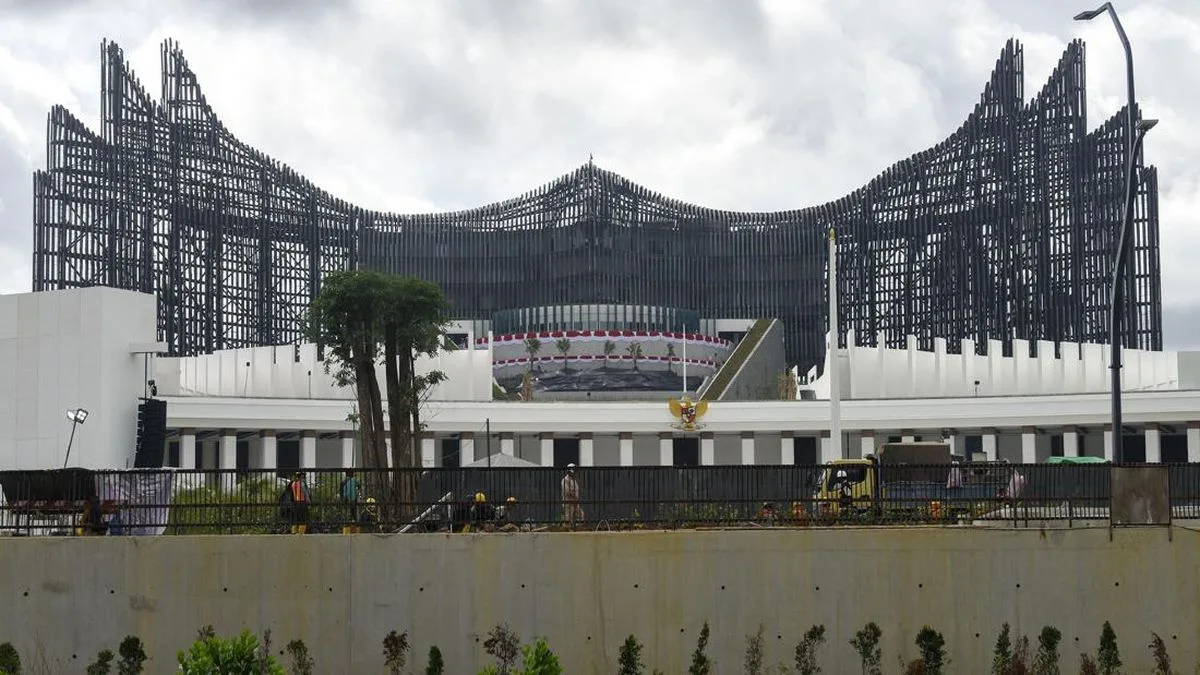
The Nusantara Capital City Authority (IKN) has officially secured investment commitments totaling Rp3.74 trillion through the signing of cooperation agreements (PKS) for the construction of civil servant (ASN) housing and five private projects in the Nusantara central government core area (KIPP), Wednesday (14/10). The figure signals that IKN development is starting to rely on non-state budget funding, an important shift amid the country's fiscal pressures.
In detail, eight ASN apartment towers account for Rp2.62 trillion in investment, while the remaining Rp1.11 trillion is purely private investment in livestock, commercial, culinary, furniture, and sports facilities. PT Nindya Karya together with PT Nindya Estate Management was appointed as the initiator of the vertical housing, which will provide 288 units each measuring 190 square meters.
IKN Authority Head Basuki Hadimuljono stressed that Nusantara's development can no longer rely solely on the State Budget (APBN). According to him, public-private partnership (KPBU) schemes, private investment, and grants are important pillars for maintaining the project's sustainability. "Today we prove that IKN development is not only financed by the APBN. Today there are also two KPBUs and five private investments whose construction will soon begin," he said at the signing event.
The move shows that the IKN Authority is seeking to accelerate development by engaging the private sector more aggressively. However, some observers assess that on-the-ground realization remains the main test. The reason is that previous projects had faced obstacles related to land, permits, and basic infrastructure readiness. If not anticipated, this large commitment risks becoming merely an annual ceremony without significant impact.
From a sectoral standpoint, investment in an integrated chicken farm by PT Berdikari worth Rp177 billion and the Grand Vista Nusantara commercial facility by PT Indonesia Belt Road High Tech Development Park worth Rp1 trillion show IKN's economic diversification. No longer just government offices, Nusantara is starting to expand into the food, property, and lifestyle sectors. This aligns with the vision of making IKN a self-sufficient city that does not fully depend on bureaucratic activity.
Jepara Regent Witiarso Utomo welcomed the opportunity for local businesses. According to him, investment in IKN does not belong only to large corporations, but also opens the door for micro, small, and medium enterprises (UMKM) to expand their market. "IKN is not only for big investment, but small investment, for our community to be accepted in IKN," he said. The statement underscores the hope that IKN development can drive economic equity, not merely relocate the center of growth.
Even so, long-term success depends heavily on execution. The government needs to ensure that every cooperation agreement has clear, transparent, and measurable deadlines. Without strict oversight, the flow of investment could stall and the ASN housing target that is a prerequisite for personnel relocation in 2027 risks being delayed. The question is, can the IKN Authority maintain this momentum until the projects actually stand, not just signatures on paper?