Kobar Forest Fires Grow Fiercer, Regent Nurhidayah Urges Central Government to Step In
Baca dalam 60 detik
- Bupati Kotawaringin Barat Nurhidayah menyatakan karhutla di wilayahnya telah memasuki tahap membahayakan dan meminta intervensi langsung pemerintah pusat.
- Tiga titik prioritas penanganan ditetapkan: ruas Jalan Pangkalan Bun–Kotawaringin Lama, Desa Tanjung Putri, dan kawasan Taman Nasional Tanjung Puting.
- Relawan gabungan YOHK-HPI menarik diri dari operasi pemadaman karena menilai dukungan yang ada belum memadai, sementara api terus meluas.
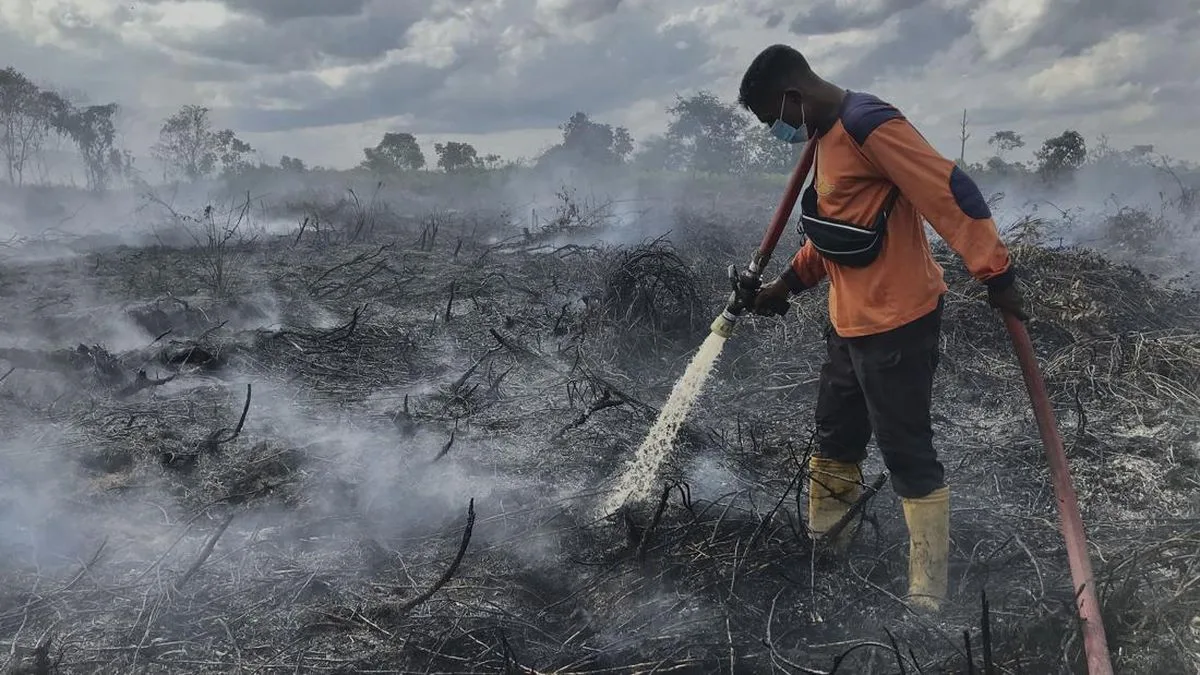
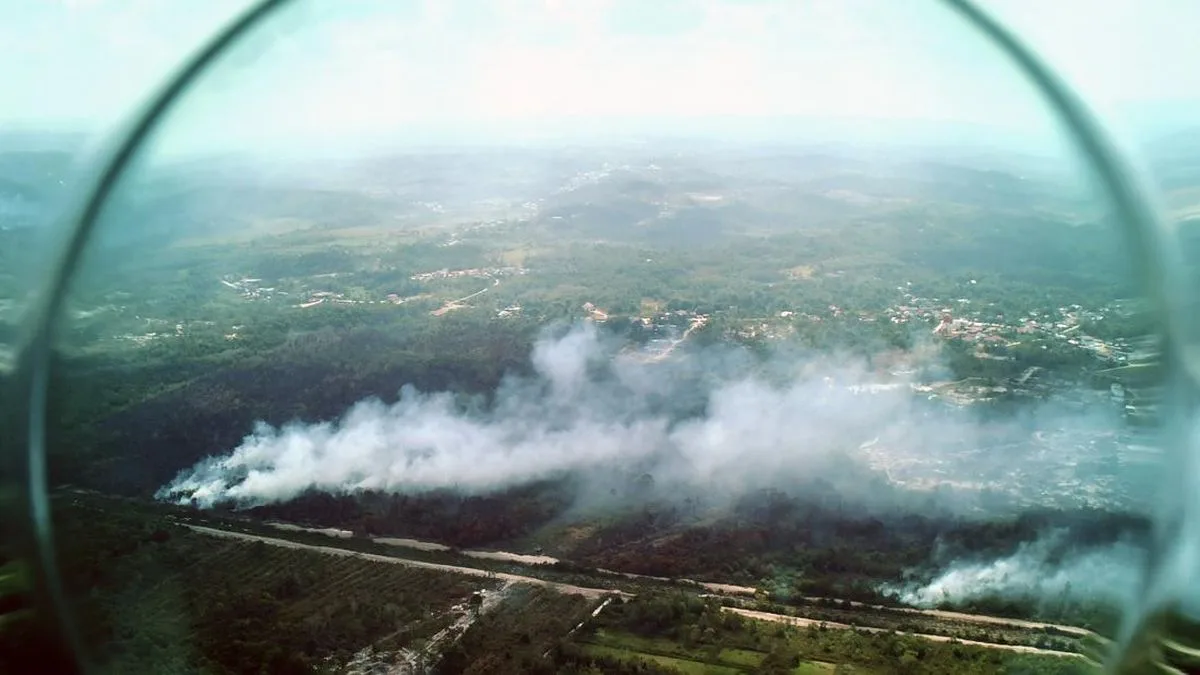
Forest and land fires (karhutla) in Kotawaringin Barat Regency (Kobar), Central Kalimantan, have entered a critical phase. Regent Nurhidayah has publicly asked the central government to immediately deploy assistance, both personnel and equipment, because the region's capacity is no longer deemed sufficient to hold back the spread of the flames.
During an inspection along the Pangkalan Bun–Kotawaringin Lama connecting road on Monday (12/10), Nurhidayah stressed that the impact of the fires is no longer limited to environmental damage. The haze has disrupted residents' health, hampered public services, and weighed on economic activity. "Flights to Iskandar Airport have been widely canceled in recent days," she said, describing how serious the situation on the ground has become.
The Kobar Regency Government has designated three areas as priority for handling because they are considered the largest contributors of smoke: the Pangkalan Bun–Kotawaringin Lama road section, Tanjung Putri Village, and the Tanjung Puting National Park (TNTP) area. All three locations require immediate action, especially since TNTP is an orangutan habitat and a protected conservation area.
Nurhidayah acknowledged that the wide spread of the fires has forced personnel to be divided across many points, while equipment and supporting facilities remain limited. "This situation should not be taken lightly. We hope the central government will come directly to Kobar and Central Kalimantan," she said. She also called on all parties to strengthen synergy to protect affected residents.
"We hope the central government will come directly to the Kobar area and Central Kalimantan Province, help us and immediately send assistance." — Kotawaringin Barat Regent Nurhidayah
The appeal came alongside the decision by the Joint Volunteer Team of the Yayasan Orangutan Hijau Kalimantan (YOHK) and the Himpunan Pramuwisata Indonesia (HPI) Kobar to withdraw all its members from firefighting activities. Their resignation video went viral on social media. YOHK-HPI representative Moncos stated that the efforts made so far had not been matched by adequate support, while the volunteers' capacity to fight the flames directly has reached its limit.
The volunteers urged the central government to immediately deploy resources, including water bombing, to save the forest area and orangutan habitat in TNTP. The withdrawal is a signal that handling the fires can no longer rely solely on regional forces and volunteers.
Indonesian context: Forest and land fires in Kalimantan and Sumatra recur almost every dry season, but this year's escalation highlights weak coordination between the central and regional governments in disaster mitigation. Dependence on volunteers and limited regional budgets are recurring weak points. Without rapid intervention, the haze could cross national borders and trigger diplomatic protests from Malaysia or Singapore, as happened in 2015 and 2019.
The central government, through BNPB and the Ministry of Environment and Forestry, has not issued an official statement regarding Regent Nurhidayah's request. However, public pressure is mounting as the video of the withdrawing volunteers circulates. If there is no response soon, the credibility of disaster handling in the region could erode further.
Going forward, the question is no longer whether the central government will step in, but how quickly and how much resources will be deployed. Without concrete action, the fires in Kobar could become a national disaster whose impact is felt as far as neighboring countries.