Agriculture Minister Amran: 102 Suspects in Food Mafia Case, Several Ministry Officials Removed
Baca dalam 60 detik
- Menteri Pertanian Andi Amran Sulaiman menyatakan 102 orang telah ditetapkan sebagai tersangka kasus mafia pangan, termasuk oknum pejabat eselon di Kementan.
- Penindakan ini merupakan instruksi langsung Presiden Prabowo untuk membasmi praktik yang menguntungkan segelintir pihak di atas kesulitan rakyat.
- Wamentan Muhammad Saleh Mustafa menekankan penegakan hukum harus berlandaskan bukti kuat dan dibarengi pembenahan tata kelola pangan.
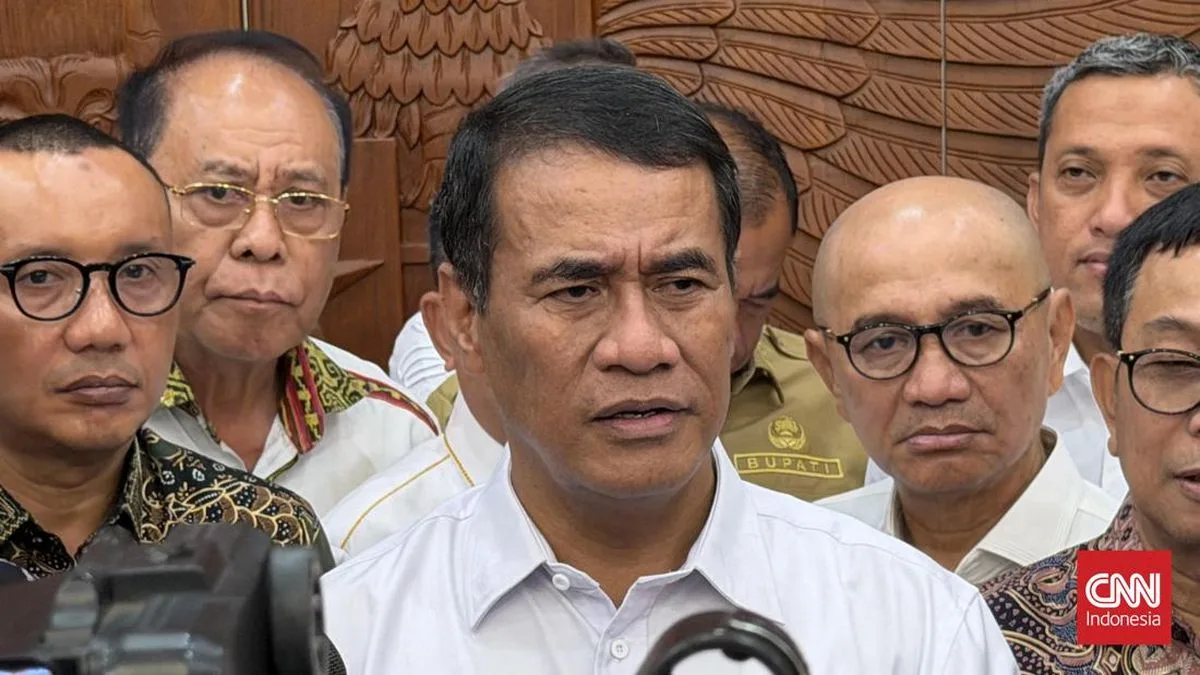
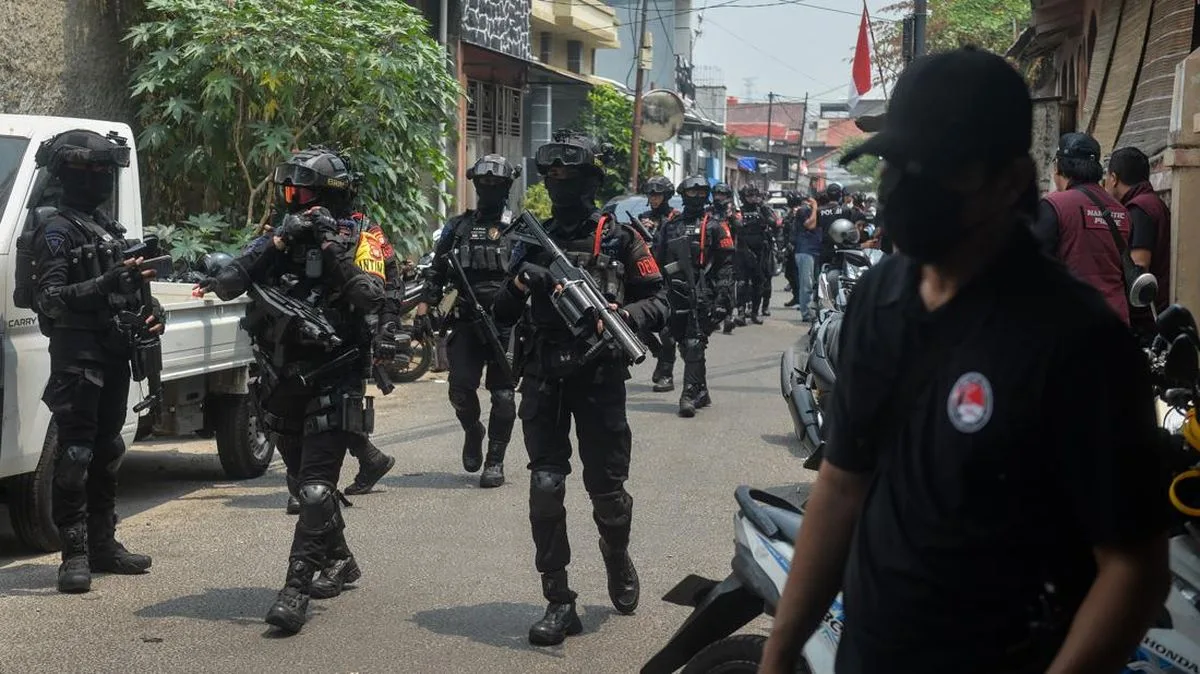
Agriculture Minister Andi Amran Sulaiman revealed that law enforcement authorities have named 102 suspects in the food mafia case. The investigation has not only ensnared actors outside the institution but has also implicated a number of employees of the Ministry of Agriculture (Kementan), including officials at the director level. Amran made the statement at his residence in Pancoran, South Jakarta, on Friday (9/10).
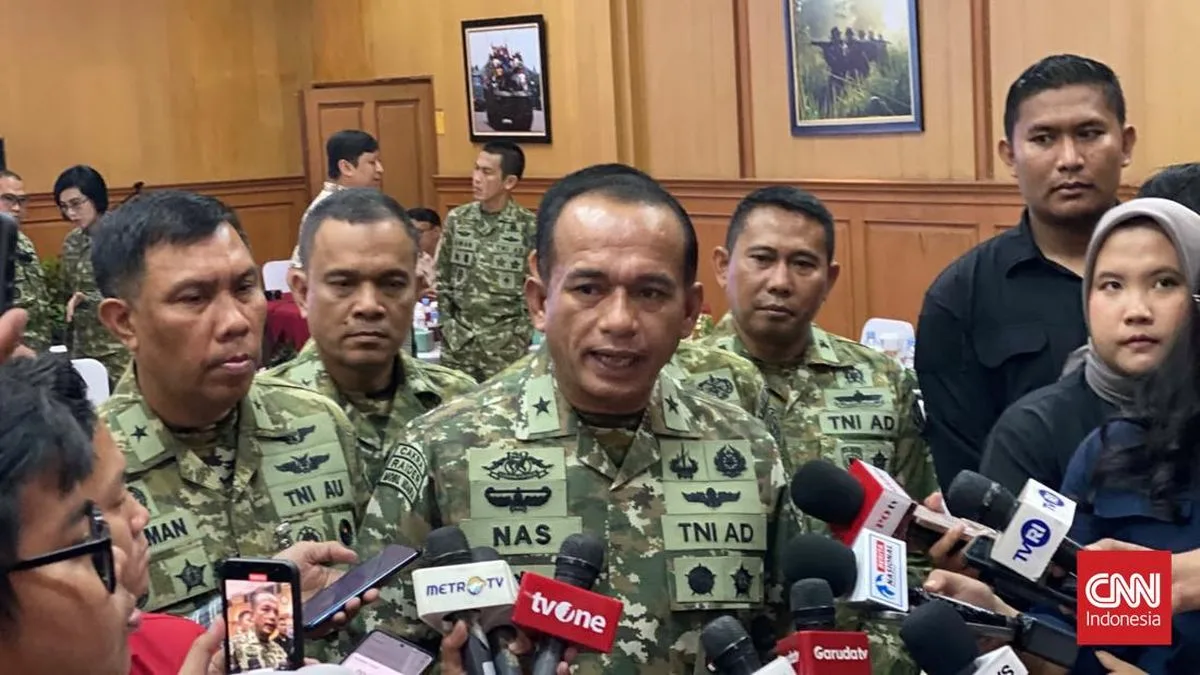
Amran said several individuals within the Ministry of Agriculture had been dismissed, while others were requested to face legal proceedings. "From the Ministry of Agriculture, we dismissed several. Several we asked law enforcement to name as suspects. There are people at the director level in prison now," he said. He stressed he would not give room to anyone playing dirty in the food sector. According to his calculation, if there have already been 102 suspects in two years of his tenure, that figure could potentially reach 250 suspects within five years.
The enforcement, Amran said, is a direct instruction from President Prabowo Subianto. He was asked to eradicate those seeking profit from the suffering of ordinary people. "There are always those who play games. They certainly exist because they want to profit from the suffering of ordinary people, and the President's order is to eradicate them!" he asserted. Amran, who also serves as Head of the National Food Agency, reaffirmed his commitment to continue cleaning up the food sector from fraudulent practices.
The new Deputy Minister of Agriculture, Muhammad Saleh Mustafa, expressed his support for efforts to eradicate the food mafia. He emphasized the importance of professional and accountable law enforcement. "Eradicating the food mafia must prioritize law enforcement. If violations are proven, they must certainly be processed in accordance with applicable law. However, enforcement must also be based on strong evidence so that legal proceedings run properly and accountably," Saleh said in a written statement on Monday (5/10).
Saleh added that reforming food governance must go hand in hand with increasing production. Thus, food sovereignty is not only about supply availability but also about creating a healthy, fair food system that sides with farmers and consumers. According to him, synergy between law enforcement and governance improvement is key to preventing food mafia practices from recurring.
The food mafia case highlights structural problems in the agricultural sector. Fraudulent practices such as smuggling, import quota arrangements, and distribution manipulation have long been a scourge harming farmers and consumers. The action against 102 suspects signals that the government is serious. However, the biggest challenge is proving that this step is not merely a one-off operation. The public will wait to see whether law enforcement proceeds consistently and transparently, especially when it involves officials within the ministry itself.
Going forward, the success of eradicating the food mafia will be measured by two things: how far fraudulent practices decline, and whether farmers' welfare and public access to food improve. If enforcement stops at arrests without systemic improvement, the same problems could resurface. The question is whether the government can build clean and equitable food governance, or whether this is merely a new chapter in an endless cycle.