Polanski Stays at Helm of England's Green Party, Faces Calls to Resign After Local Election Loss
Baca dalam 60 detik
- Zack Polanski menegaskan tidak akan mundur dari kursi pemimpin Partai Hijau meski kalah di pemilu lokal Holborn dan St Pancras.
- Kontroversi mosi Zionisme di konferensi partai memicu seruan mundur dari tokoh internal, termasuk pemimpin Jewish Greens dan mantan pemimpin Partai Hijau.
- Partai Hijau Inggris kini terbelah antara basis akar rumput yang mendukung mosi dan sayap moderat yang khawatir isu antisemitisme merusak elektabilitas.
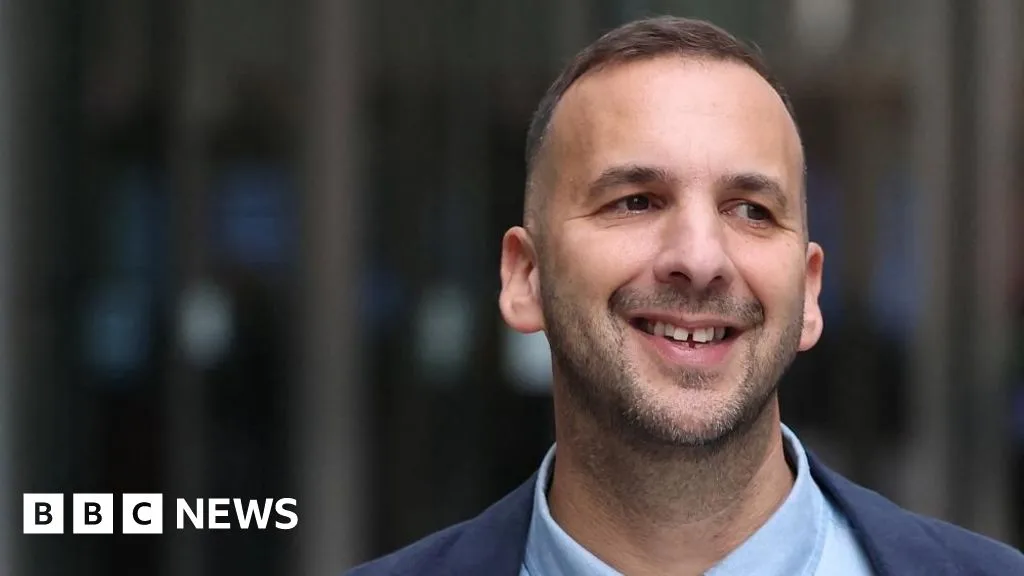
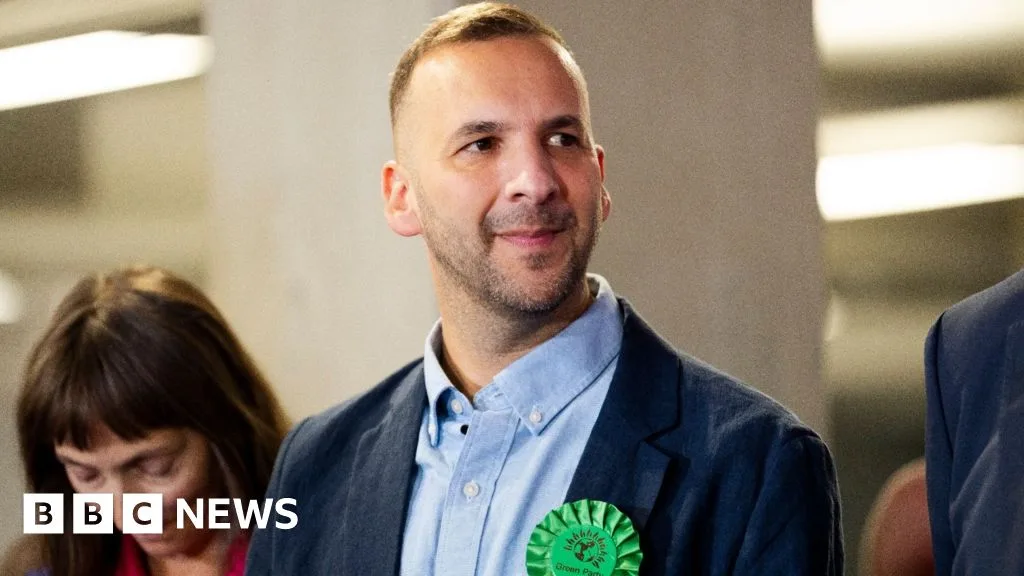
Zack Polanski has confirmed he will remain leader of the Green Party of England after his defeat in the local election in Holborn and St Pancras, London, on Friday (local time). The statement came amid mounting internal pressure, including from the party's Jewish community, for him to step down as leader.
The defeat was a blow for the Green Party, which had hoped to take a seat long held by the Labour Party. Labour candidate Sagal Abdi-Wali won 45% of the vote, while Polanski secured only 33%. Nevertheless, the Green Party's vote share actually surged 22% compared with the 2024 general election — a signal that the party's support base is strengthening amid the controversy.
The main source of the internal turmoil is a motion passed at the party conference last week. The motion defines Zionism as an ideology that supports an "ethnonationalist Jewish state" and backs "one democratic Palestinian state across historic Palestine", including the territory of modern Israel. The policy triggered a fierce backlash from a number of party figures, including former Green Party leader Caroline Lucas, who called it "dangerous" and "flawed from start to finish".
Vivien Lichtenstein, leader of the Jewish Greens wing, publicly called on Polanski to resign. She judged that Polanski had made a "huge mistake" by avoiding the debate on the motion. "I don't know which Jewish members he has been working with — it certainly isn't the Jewish Greens committee," she told Times Radio. Similar criticism came from Jonathan Bartley, former co-leader of the Green Party from 2016 to 2021, who described the motion as a "failure of leadership" and said the party was now gripped by "toxicity".
Polanski defended his absence from the motion vote in Brighton by saying he was campaigning in North London. He insisted he would not resign. "Of course I can carry on leading the Green Party. Yes, I lost tonight, but our movement is far bigger than one election or one motion," he told BBC Breakfast. He also stated that a substantial part of the motion — which says the displacement and genocide of Palestinians are grounded in racist ideology — is "clear".
The pressure has not come only from within. Prime Minister Andy Burnham asked Polanski to cancel the motion, which he called "completely wrong", so that it does not become official party policy or enter the next election manifesto. Labour Party chair Bridget Phillipson compared the situation to the antisemitism scandal that once hit her own party, and judged that the Green Party now faces a similar "serious problem".
"I think this is a failure of leadership from Zack and there is now a certain toxicity in the Green Party." — Jonathan Bartley, former co-leader of the Green Party
Polanski argued that anti-Zionism and antisemitism are two different things, and stressed that no member would be expelled from the party on the basis of belief, place of worship, or religious affiliation. However, the statement has not eased criticism from those demanding a firmer stance on the controversial motion.
For the Green Party, this dilemma is not merely about ideological identity. The Zionism motion has dragged the party into a vortex of issues that mainstream British parties have long avoided: the Israel-Palestine conflict. Grassroots support for the motion shows the party's base moving to the left, while rejection by most MPs and officials shows a gulf between the party elite and the mass base. This tension could shape the Green Party's direction ahead of the next election.
The big question: can Polanski bridge this split without losing grassroots support, or will he become increasingly isolated from his party's moderate wing? With a new leadership election not due until 2027, he still has room to manoeuvre — but the mounting political and moral pressure could accelerate another scenario.