Senator Blumenthal Presses Cantor Fitzgerald to Disclose Ties to Tether
Baca dalam 60 detik
- Richard Blumenthal mengirim surat kepada CEO Cantor Fitzgerald, Brandon Lutnick, menuntut transparansi soal hubungan perusahaan dengan penerbit stablecoin Tether.
- Blumenthal menyoroti potensi pelanggaran sanksi dan pencucian uang melalui USDT, serta peran Cantor sebagai kustodian cadangan Tether di AS.
- Jika Demokrat memenangkan mayoritas Senat pada pemilu November, penyelidikan terhadap industri kripto berpotensi meningkat drastis dengan kewenangan subpoena.
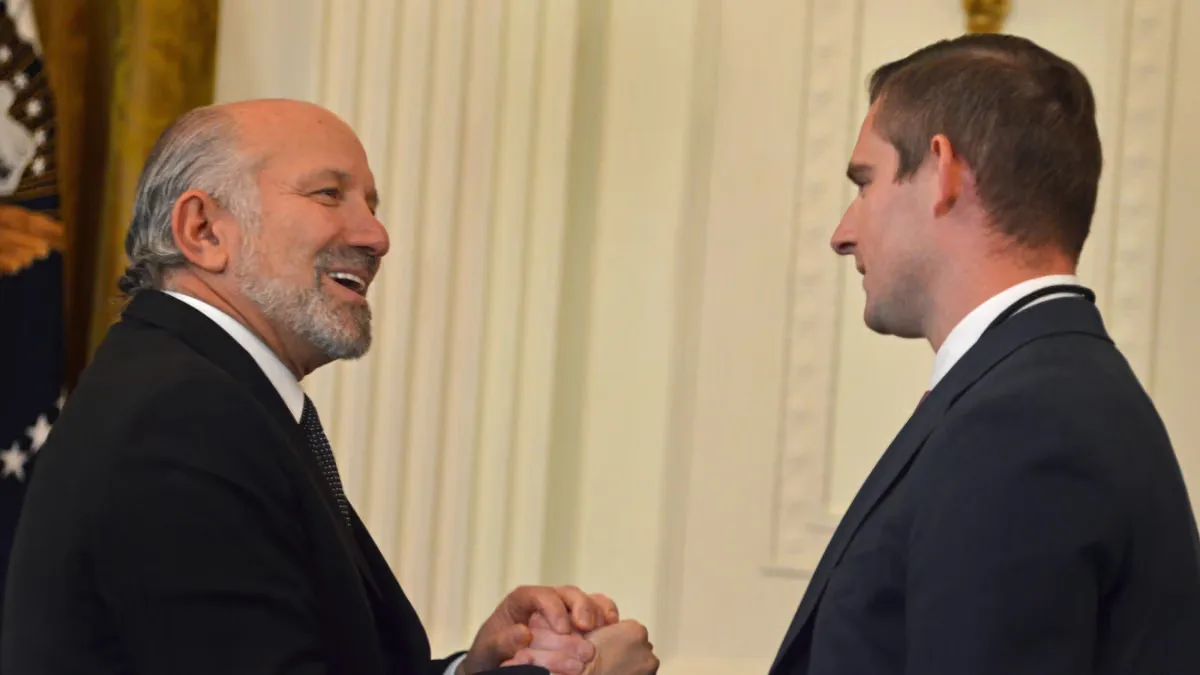
Prominent Democratic member of the U.S. Senate Permanent Subcommittee on Investigations Richard Blumenthal has formally requested an explanation from Cantor Fitzgerald regarding its business relationship with Tether, the world's largest stablecoin issuer. The move marks a new chapter in congressional scrutiny of the digital asset industry, which has long operated in a regulatory gray zone.
The letter sent on Thursday (8/10/2026) was addressed directly to Brandon Lutnick, CEO of Cantor Fitzgerald and son of U.S. Commerce Secretary Howard Lutnick. Blumenthal argues that the partnership between Cantor and Tether is not only financially lucrative but could also drag the company into a vortex of international sanctions violations. In his letter, he asked what safeguards Cantor has taken to prevent the USDT stablecoin from being misused in illicit financing schemes.
“Just as Tether reaps extraordinary profits from a stablecoin used in illegal activity, Cantor Fitzgerald also profits from its relationship with Tether,” Blumenthal wrote, as quoted from the letter. He specifically highlighted Cantor's role as custodian of the majority of Tether's assets held in the United States, even though Tether claims to operate from El Salvador. According to Blumenthal, this fact makes Cantor a party with deep insight into the stablecoin industry's operations—insight that Congress badly needs as it drafts digital asset regulation.
In the letter, Blumenthal posed a number of critical questions, including a request that Cantor detail all internal investigative efforts regarding allegations that USDT was used in Iran's shadow banking network and to evade Russian sanctions. As of this news being published, neither Cantor Fitzgerald nor Tether has provided an official response to media requests for comment.
Blumenthal has long been known as one of the harshest critics of the crypto industry in Congress, alongside Senator Elizabeth Warren. However, as members of the minority party, their authority to compel companies to provide information remains limited. The situation could change drastically if Democrats manage to capture a Senate majority in the upcoming November election. With a majority position, they would lead key committees and hold subpoena power to compel witnesses and documents.
Prediction markets currently show Democrats' momentum growing stronger. Kalshi puts Democrats' chances of controlling the Senate at 61%, while Polymarket has it at 64%. A few weeks ago, those figures were still around 50-50. For the House of Representatives, both platforms even show a probability of a majority change above 90%. If these projections materialize, the landscape of crypto industry oversight in the U.S. will undergo a significant shift.
“While Tether claims to operate from El Salvador, the majority of its assets are in the United States under your watch. As Congress considers digital asset regulation, your partnership with Tether will provide important insight into how this industry works.” — Richard Blumenthal
For Indonesia, this development is worth watching. Tether (USDT) is one of the stablecoins traded on domestic crypto exchanges, though it is not as popular as Bitcoin or Ethereum. However, if U.S. regulators tighten oversight of Tether and its partners, the ripple effects could reach Southeast Asian markets, including a potential increase in due diligence for local platforms offering USDT. The Financial Services Authority (OJK) and Bank Indonesia have long emphasized the importance of transparency and anti-money laundering compliance in the crypto asset sector. Pressure from the U.S. could accelerate the adoption of stricter global standards.
On the other hand, the relationship between Cantor Fitzgerald and Tether also highlights how business and political interests can become intertwined. Howard Lutnick, Brandon's father, is the figure who handed over control of the company when he joined the Trump administration. This raises questions about potential conflicts of interest at the highest levels of the U.S. government. In his letter, Blumenthal also asked about Howard Lutnick's history of involvement with Tether before he joined the cabinet.
Going forward, this investigation could be a test of Tether's resilience as the stablecoin market leader. If the U.S. Congress grants Democrats greater authority, pressure on Tether and its partners is expected to increase. The question is, will the global crypto industry, including in Indonesia, prepare for an era of tighter regulation, or will it instead exploit still-loose jurisdictional gaps?