Mas Bechi's Parole Revoked, Immigration and Corrections Ministry Returns Sexual Violence Convict to Malang Prison
Baca dalam 60 detik
- Kementerian Imigrasi dan Pemasyarakatan mencabut status pembebasan bersyarat Muhammad Subchi Azal Tsani alias Mas Bechi, terpidana kasus kekerasan seksual terhadap santriwati.
- Pencabutan tertuang dalam surat keputusan yang diterima Balai Pemasyarakatan Kelas I Malang dari Kanwil Ditjenpas Jawa Timur pada 6 Oktober 2026, dan Bechi langsung dibawa kembali ke Lapas Klas I Malang.
- Langkah ini menandai koreksi kebijakan di tengah sorotan publik terhadap penegakan hukum kasus kekerasan seksual, sekaligus menguji konsistensi pemerintah dalam melindungi korban.
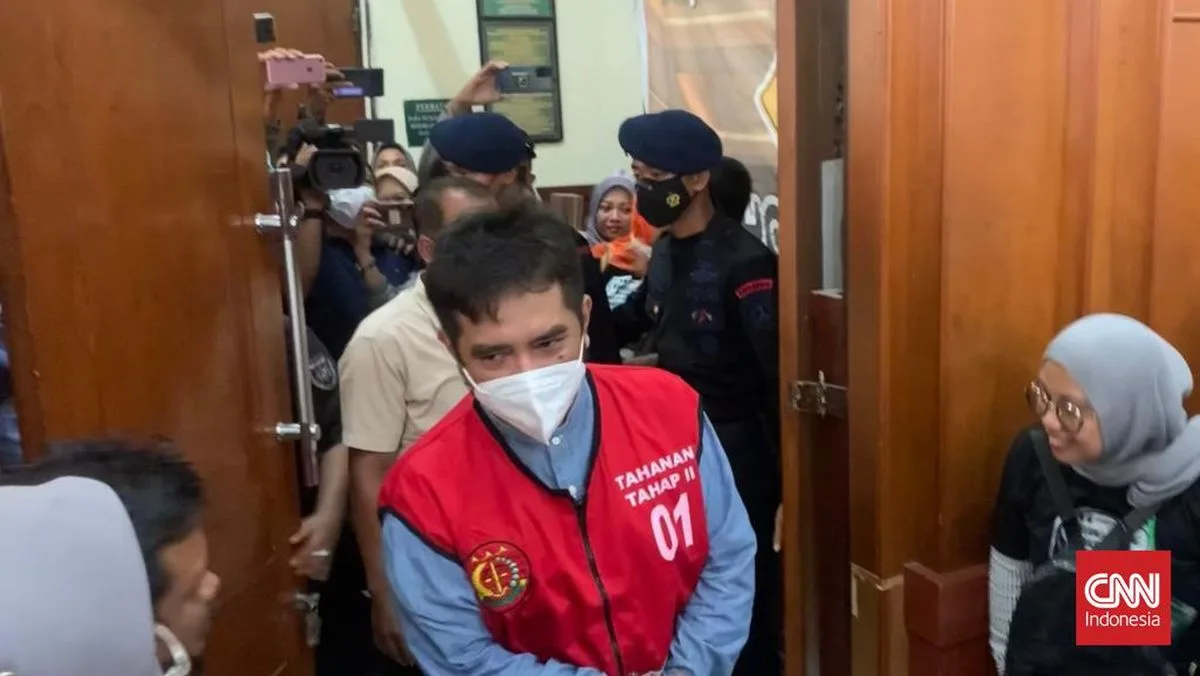
The Ministry of Immigration and Corrections (Kemenimipas) has officially revoked the parole status previously enjoyed by Muhammad Subchi Azal Tsani, alias Mas Bechi, who was convicted of rape and sexual abuse against female students. The decision means the son of a kiai from Jombang, East Java, must return to serve the remainder of his sentence at Malang Class I Prison.
The revocation closes a controversial chapter that emerged after Bechi received parole on 15 August 2026. At the time, the Malang Corrections Center (Bapas) argued that he had served two-thirds of his sentence and was deemed to have behaved well in prison. However, the decision triggered a wave of public protests because his case was classified as a serious sexual crime.
The head of Malang Class I Bapas, Fathorrosi, said the revocation decree was received from the East Java Regional Office of the Directorate General of Corrections on Tuesday, 6 October 2026. "We have received the revocation decree for the Malang Bapas client through the East Java Regional Office of the Directorate General of Corrections," he said when contacted by journalists on Thursday (8/1).
On the same day, Bechi, who was undergoing mandatory reporting, was immediately informed of the revocation. Malang Bapas officers then escorted him to Malang Class I Prison under the guard of prison officers. "Today we immediately escorted him to Malang Prison," Fathorrosi added.
Previously, the head of Malang Class I Prison, Christo Victor Nixon Toar, stressed that granting parole was not a unilateral decision. According to him, there was an official recommendation from the Corrections Observer Team (TPP), which assessed Bechi as cooperative and active in following rehabilitation programs. The procedure refers to Law No. 22 of 2022 on Corrections.
Nevertheless, the revocation shows that the evaluation mechanism for parole recipients remains in place. The public views Bechi's case as a test for the state in upholding justice for victims of sexual violence, especially when the perpetrator has close ties to religious figures.
"This revocation signals that parole is not final and can be revoked if there are new considerations," said a criminal law observer from the University of Indonesia, who asked not to be named.
Bechi's case began with reports from a number of female students who were victims of sexual crimes in the pesantren environment. A court handed down a 7-year prison sentence, but he had served only about three years before receiving parole. Now, with that status revoked, he must return behind bars to complete the remainder of his sentence.
The Kemenimipas decision also serves as a warning to all corrections centers to assess parole eligibility more carefully, particularly for sexual crimes with broad impact. Transparency at every stage, from the TPP assessment to the issuance of the decree, will continue to be monitored by the public.
Going forward, the public awaits whether there will be a comprehensive evaluation of parole policy for convicted sexual offenders. If not, trust in the corrections system could continue to erode, and victims may once again feel ignored by the state.