Rosebank Oilfield Threatened by UK Sanctions: PM Asked to Clarify Delek Group Links
Baca dalam 60 detik
- Perdana Menteri Inggris menerima surat terbuka yang mempertanyakan apakah persetujuan proyek minyak Rosebank melanggar sanksi terhadap permukiman ilegal Israel.
- Delek Group, induk Ithaca Energy yang memiliki 20% saham Rosebank, masuk dalam basis data PBB terkait perusahaan yang mendukung permukiman di Tepi Barat.
- Keputusan akhir ada di tangan Menteri Energi Miatta Fahnbulleh, namun dianggap sebagai cerminan arah kebijakan PM terhadap industri minyak dan gas.
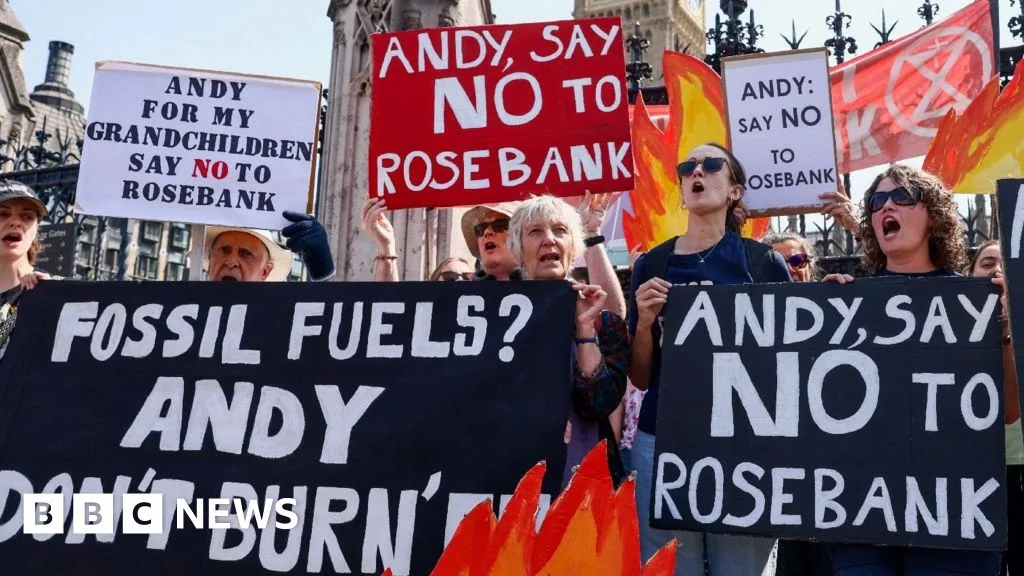
The UK Prime Minister has received a warning that approving the development of the Rosebank oilfield could breach sanctions recently announced against illegal Israeli settlements in the West Bank. An open letter sent by environmental campaign groups and Green Party politicians highlights the strategic project's links to Delek Group, an Israeli company that was added to a UN list last year over allegations it provides services to settlements in the occupied territory.
Rosebank, the largest undeveloped oilfield off the coast of Shetland, has become a test of the consistency of London's foreign and energy policy. Delek Group controls Ithaca Energy, which holds a 20% stake in the project. Although Delek denies involvement and plans to challenge its inclusion in the UN database, questions about a potential sanctions breach remain.
The Stop Rosebank campaign and Greenpeace, with help from Uplift, sent a letter to Foreign Secretary Ed Miliband and Energy Minister Miatta Fahnbulleh. They are seeking clarification on whether Delek will be covered by the sanctions announced last month. Similar questions were raised by Green Party leader Zack Polanski, who described Rosebank as a test of whether the sanctions regime proposed by Labour actually works.
"Rosebank is a test of whether the sanctions regime proposed by Labour is fit for purpose. A company blacklisted by the UN for operating in illegal settlements should not be bankrolled by North Sea oil and gas revenues," Polanski said.
Uplift, whose legal challenge in 2023 succeeded in delaying an exploration decision, is asking the Prime Minister to "firmly confirm whether Delek will be covered by the planned new measures". If not, they question consistency with the government's stated intent to sanction those who finance or facilitate illegal settlements. An Ithaca Energy spokesperson stressed the company is a FTSE 100 listed company subject to the highest governance standards and a major contributor to the UK exchequer and the country's energy resilience.
The decision on Rosebank and the Jackdaw gas field east of Aberdeen now rests with Energy Minister Miatta Fahnbulleh, but it will be seen as an indication of the Prime Minister's thinking on oil and gas. Miliband, previously known for opposing Rosebank when he was Energy Minister, has now signalled a tougher stance on illegal settlements. Meanwhile, the Prime Minister is reported to support a flexible approach and more drilling in areas that already have licences.
The issue also intersects with UK-US relations. President Trump has pressed several UK PMs to increase drilling in the North Sea. Although the White House is relieved that Trump did not attack the new West Bank sanctions, the US administration has made clear it will not follow suit. Uplift Executive Director Tessa Khan stressed that not a single penny of North Sea oil profits should flow to companies now at risk of UK sanctions.
With around 160 Israeli settlements housing 700,000 people in the West Bank and East Jerusalem, and rising violence against Palestinians, the Rosebank decision will set an important precedent. Will London choose sanctions consistency or prioritise energy resilience? The answer will not only determine the future of a multibillion-dollar project, but also the credibility of UK foreign policy in the eyes of the world.