Trump Promises $5,000 Checks for US Citizens Ahead of Midterms, but Funding Source Remains a Mystery
Baca dalam 60 detik
- Presiden AS Donald Trump kembali menggaungkan janji transfer tunai $5.000 untuk setiap warga dewasa, dengan syarat Partai Republik tetap menguasai Kongres pada pemilu sela November mendatang.
- Sejumlah program pembayaran langsung berskala lebih kecil telah berjalan, termasuk $90 untuk 20,8 juta penerima Medicare dan $500 bagi sekitar 950.000 peserta pasar asuransi kesehatan federal.
- Rencana ini dinilai sarat muatan politik karena belum jelas siapa yang berwenang mengesahkan dan dari mana anggarannya, sementara sejumlah ekonom memperingatkan risiko inflasi serta pelemahan fiskal.
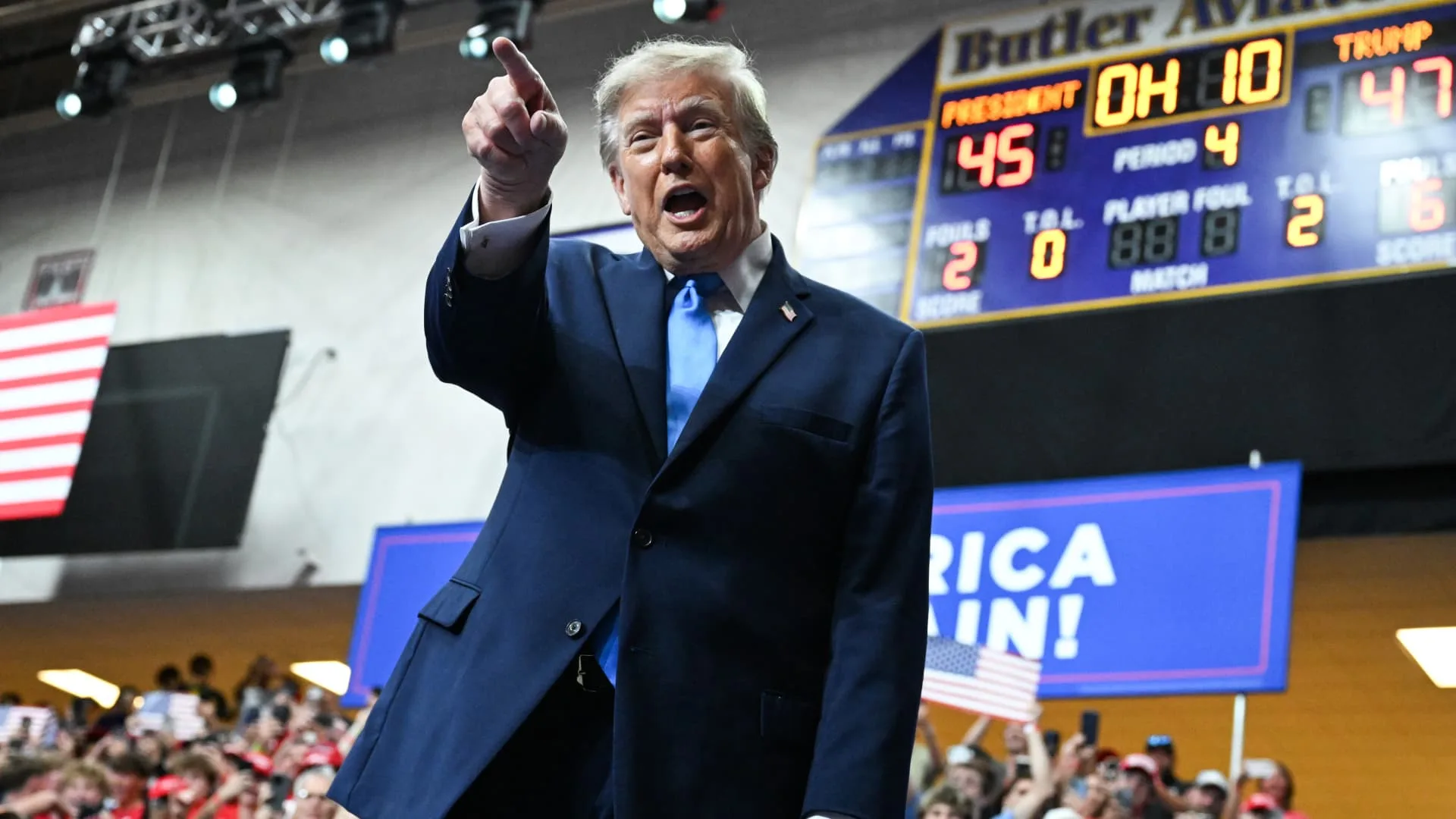
US President Donald Trump is once again making sweeping cash transfer promises ahead of the November midterm elections. In a video posted on the Truth Social platform, he promised $5,000 checks for every American adult, provided Republicans retain control of the House and Senate.
It is not the first such promise. A month earlier, at the Republican National Convention in Dallas, Trump had already made a similar commitment. But to date, there has been no official explanation of the payment mechanism, the authority empowered to approve it, or the funding source. The federal government itself has no authority to print money without congressional approval.
At the same time, two smaller-scale cash assistance programs are already underway. Last Friday, Trump announced a one-time $90 payment to 20.8 million Medicare Part B recipients, scheduled to be disbursed this month through the Medicare Improvement Fund. Earlier, $500 Obamacare "refund" checks began going out to about 950,000 HealthCare.gov policyholders who pay full premiums without subsidies.
The combination of promises and partial delivery raises questions about the motive behind them. This midterm election is dominated by price and economic issues, and Republicans are fighting hard to keep their majority. Some observers see the pattern of direct cash distribution to voters as an attempt to buy political support, though legally beneficiaries are determined by insurance enrollment status, not party affiliation.
"I will put my heart and soul into stopping this proposal," Arizona Congressman David Schweikert told Reuters, warning that the policy could push interest rates higher.
From the Democratic camp, Congressman Jamie Raskin called the plan a "political bribe" and stressed that Congress holds the power over federal spending. Criticism also came from economists worried that the budget deficit would swell and inflation would spike again if such funds were actually disbursed.
Trump's track record on cash promises has not always ended in delivery. In February 2025, his administration proposed a $5,000 "DOGE dividend" claimed to come from budget-cut savings, but it never materialized. Last November, he offered a dividend of at least $2,000 per person funded by reciprocal tariffs; the Supreme Court struck down those tariffs in February this year, and the checks were never sent. A similar pattern occurred in 2020, when $200 prescription drug discount cards for 33 million Medicare recipients were promised six weeks before the election but never reached recipients.
That said, not all promises have been empty. Last year, the Trump administration disbursed a $1,776 "Warrior Dividend" to about 1.5 million service members, and Congress once approved pandemic stimulus during the first period of his presidency.
For Indonesia, this US fiscal dynamic is worth watching. If the $5,000 checks actually materialize, a surge in liquidity in the world's largest economy could trigger inflation and push the Federal Reserve to raise interest rates. The impact would be felt in global financial markets, including the rupiah exchange rate and capital flows to developing countries. Conversely, if this promise evaporates again, the credibility of US fiscal promises in the eyes of investors could erode.
What is clear is that by voting day, the question is no longer whether the checks will be disbursed, but how much this populist promise can shake up the political map and global economic stability.