Why Is Pubic Hair Called a 'Cheating Detector'? Science Reveals the Evolution of Human Body Hair
Baca dalam 60 detik
- Rambut tubuh manusia menyimpan jejak evolusi 245 juta tahun, dari bulu cynodont hingga menjadi penanda sosial yang kompleks.
- Kebotakan pada pria bukanlah kelainan, melainkan ekspresi maskulinitas yang diatur oleh hormon dihidrotestosteron.
- Teori kontroversial menyebut rambut kemaluan berevolusi untuk menangkap aroma yang bisa mengungkap aktivitas seksual pasangan.
For more than three decades, Judy Wearing has grappled with a question that seems simple yet is rarely fully addressed: why do humans have hair in certain places? The question led her through the scientific literature, from evolutionary biology to cultural anthropology, and culminated in a book titled Anxious and Hairy: The Evolution and Culture of Human Hair. In an interview with The Guardian, Wearing revealed that many mysteries of human hair remain unanswered by science.
Hair, or fur, first appeared around 245 million years ago in cynodonts—warm-blooded reptiles that were the ancestors of all mammals. Fossils of Cynognathus show that this wolf-like animal had sensitive whiskers to detect its environment. Since then, hair has evolved into various forms: from insulating fur to the fine hair covering the human body. According to Wearing, human hair follicles function like "mini organs" with their own growth and rest cycles.
Interestingly, hair in certain areas—such as eyebrows, armpits, and pubic region—is called by Wearing "strategic locations" because it has specific functions. Eyebrows, for instance, protect the eyes and serve as a tool for social communication. The unconscious eyebrow movements we often make help convey emotion. In ancient China, there was a tradition of shaving eyebrows and repainting them in symmetrical shapes and unnatural colors for a thousand years. Now, another trend has emerged: Botox injections to paralyze the eyebrows. Though it sounds strange, research shows Botox can impair the ability to mimic others' expressions, which affects empathy—but it is also being studied as a treatment for depression.
Armpit hair has a stiffer texture so that it "stands out" and spreads the body's distinctive scent. Research indicates that humans can smell genetic differences, emotional states, and even health conditions through this scent, often without realizing it. "We never think 'you smell anxious,' but we might think 'you look scared,'" Wearing said.
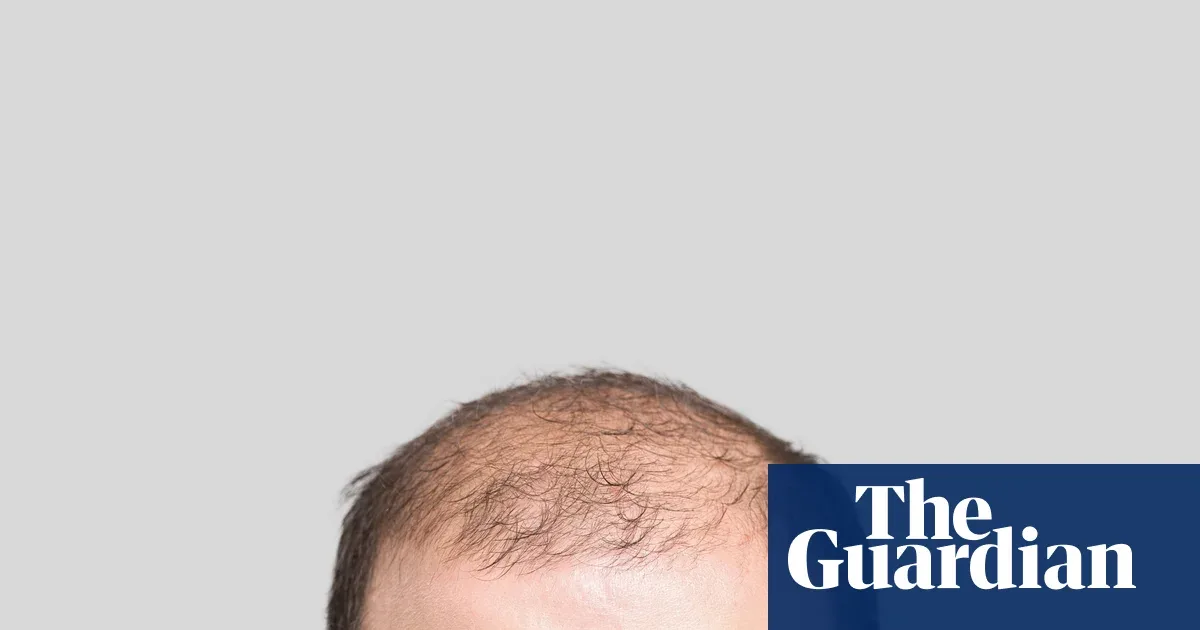
On baldness, Wearing emphasized that hair loss is not a disease but a natural, evolved phenomenon. The hormone dihydrotestosterone (DHT), which regulates the growth of male genitalia, also triggers baldness. "It's like testosterone with a punch, and very masculine," she said. Nevertheless, baldness is often linked to anxiety, depression, and even suicide risk in some men. Wearing hopes this stigma will diminish with the understanding that baldness is a normal variation.
The long history of hair also reflects social control. In various cultures, forced shaving was used to erase identity or degrade dignity, such as in Nazi concentration camps and boarding schools for Indigenous children in North America. Conversely, shaving the head for Buddhist and Jain monks became a symbol of purity and devotion. "Hair is very important for a sense of belonging, and removing it means expelling someone from society," Wearing explained.
Hair color also has social dynamics. Blonde has consistently been the most popular hair dye color for women, despite the expensive upkeep. In ancient Greece and Rome, blonde hair was once a marker of certain professions—a legal rule that later shifted when the upper classes began to favor light colors. Meanwhile, dark hair still dominates the world's population, but genetic mutations produce natural blondes in some regions, including about 10% of Indigenous Melanesians and some Aboriginal Australians.
Of all the questions, the biggest puzzle is why pubic hair exists. Both men and women grow it from puberty, and this is unique to humans. Wearing suspects pubic hair evolved to trap scent from sexual activity, so it could serve as a "cheating detector"—revealing a current or potential partner's activities. "That's the only idea that makes sense so far, though it hasn't been proven," she admitted.
For Indonesia, discussions about hair may rarely be a main focus, but their implications for mental health and social norms remain relevant. Stigma against baldness or the choice to remove body hair is often reinforced by cultural pressure. Scientific understanding of hair evolution can help society better accept biological diversity and reduce unnecessary psychological burdens.
Going forward, further research on the function of pubic hair and the role of hormones in baldness remains open. Wearing hopes more scientists will be drawn to uncover the remaining mysteries. "Many of these questions have never been studied," she concluded. Are we ready to accept that hair—often considered trivial—holds keys to human evolution and social interaction?